The Minister of Health and Medical Services, Honourable Dr Paul Bosawai, attended his first Commonwealth Health Ministers Meeting in Geneva, Switzerland over the weekend.
The 2025 Commonwealth Health Ministers Meeting convened ahead of the 78th World Health Assembly, brought together representatives from 45 member states, including 198 government officials, and 42 observers, including global health leaders, youth advocates and other stakeholders. The 37th meeting of health ministers, held on 17 May in Geneva, marked a renewed spirit of collaboration among member countries of the commonwealth at a time when many healthcare systems are under pressure to adapt to an uncertain and challenging future.

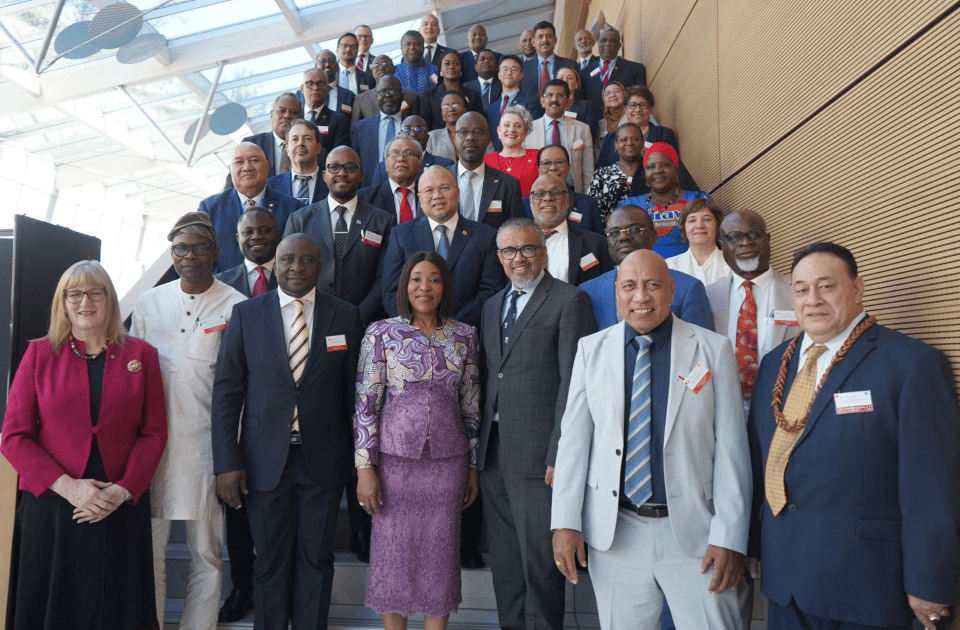
The theme for the 37th Commonwealth’s Health was “Investing in Health: Sustainable Financing for an Equitable Commonwealth’’, underscoring the need to build health systems that are sustainable, equitable and resilient in view of the fact that many Commonwealth countries face pressing challenges from the current global financial landscape, therefore the need to for commonwealth countries to support one another with innovative health financing strategies to address immediate challenges and build resilient systems that can effectively respond to both current and future health crises.
Delivering his first statement at the Health Minister’s meeting, Honourable Dr Paul Bosawai highlighted that countries are facing not just a health crisis, but a broader development challenge—one that is further intensified by the vulnerabilities inherent to small island developing states, including high exposure to climate shocks.
Minister Bosawai calls for sustainable financing amongst Commonwealth Countries that demands a multi-pronged, a forward-looking approach. Health Minister emphasized that as challenging as it is, increasing domestic resource mobilization is essential for countries as “after all, countries must be able to meet some of the health needs of their own people. Tax reforms—such as implementing excise taxes on tobacco and alcohol—can serve a dual purpose: discouraging the consumption of harmful products that drive NCDs (the biggest killer in the country), while also generating additional revenue to support and help fund the country’s health system”
Health Minister further highlighted the call for strategic partnerships with bi-lateral country partners and international donors to be strengthened and expanded placing emphasis that “these partnerships should focus not just on short-term relief, but on fostering financial sustainability through long-term investments, predictable funding flows, and technical support for setting up mechanisms that will encourage, generate and mobilize domestic resources”

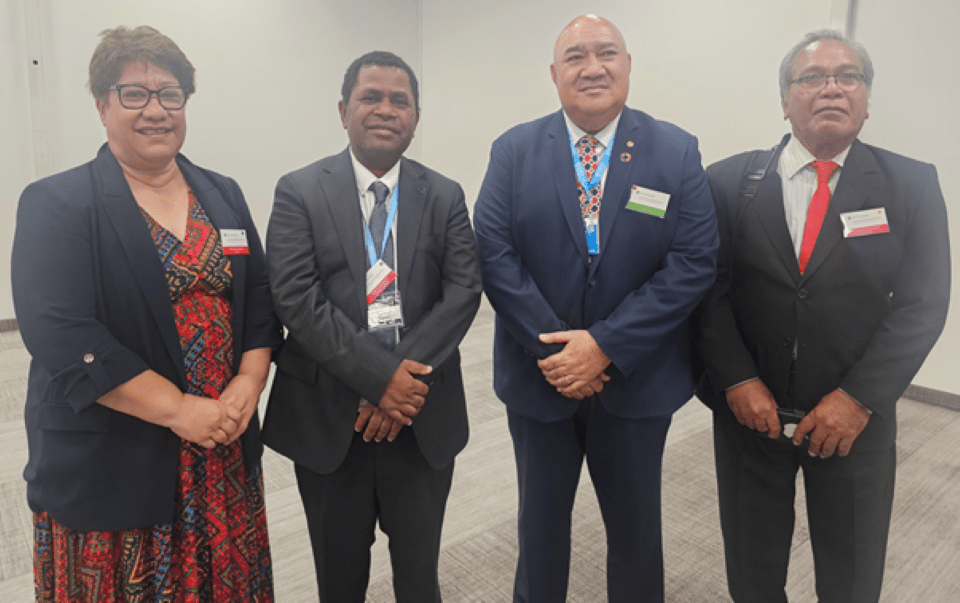
Apart from the discussions around the theme upon which member countries delivered their statements, four breakout sessions also run concurrently during the meeting. These sessions focused on priority areas that were initially identified by member states and provided space in further exploring innovative strategies, sharing of best practices, and identifying actionable policy recommendations.
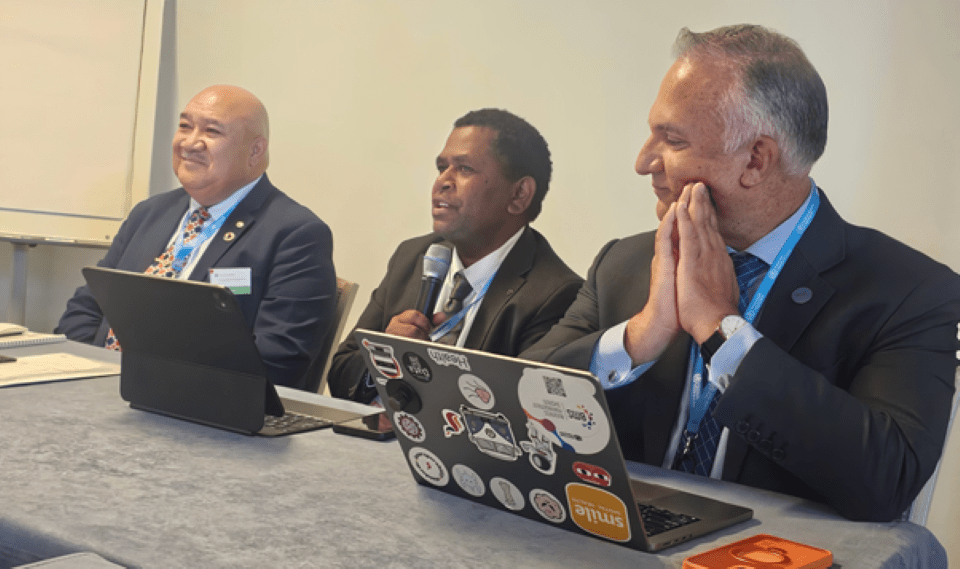
Honourable Dr Paul Bosawai moderated one of the four breakout sessions which was on “Leveraging Digital Health Innovations to Improve Efficiency and Access”. The discussions around that theme explored strategies that would integrate digital solutions into existing healthcare systems while addressing the financial, ethical, and operational challenges that determine long-term viability and impact in Commonwealth countries.