𝘊𝘉𝘚𝘐 𝘎𝘰𝘷𝘦𝘳𝘯𝘰𝘳 𝘋𝘳 𝘓𝘶𝘬𝘦 𝘍𝘰𝘳𝘢𝘶 𝘴𝘪𝘯𝘨𝘭𝘦𝘴 𝘰𝘶𝘵 𝘎𝘶𝘢𝘥𝘢𝘭𝘤𝘢𝘯𝘢𝘭 𝘪𝘯 𝘵𝘩𝘦 2025 𝘈𝘯𝘯𝘶𝘢𝘭 𝘙𝘦𝘱𝘰𝘳𝘵, 𝘤𝘢𝘭𝘭𝘪𝘯𝘨 𝘵𝘩𝘦 𝘱𝘳𝘰𝘷i𝘯𝘤𝘦 𝘸𝘦𝘭𝘭-𝘱𝘰𝘴𝘪𝘵𝘪𝘰𝘯𝘦𝘥 𝘧𝘰𝘳 𝘤𝘰𝘤𝘰𝘢 𝘢𝘯𝘥 𝘤𝘰𝘱𝘳𝘢, 𝘣𝘶𝘵 𝘸𝘢𝘳𝘯𝘴 𝘵𝘩𝘢𝘵 𝘳𝘢𝘸 𝘦𝘹𝘱𝘰𝘳𝘵𝘴 𝘢𝘭𝘰𝘯𝘦 𝘸𝘪𝘭𝘭 𝘯𝘰𝘵 𝘥𝘦𝘭𝘪𝘷𝘦𝘳 𝘵𝘩𝘦 𝘨𝘳𝘰𝘸𝘵𝘩 𝘵𝘩𝘦 𝘤𝘰𝘶𝘯𝘵𝘳𝘺 𝘯𝘦𝘦𝘥𝘴
Guadalcanal Province has been named by the Central Bank of Solomon Islands (CBSI) Governor as one of the country’s strongest platforms for cocoa and copra expansion, but he says the opportunity will only be realised if the province moves beyond raw exports and begins processing what it grows.
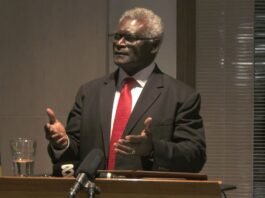
Speaking at the launch of the 2025 CBSI Annual Report in Honiara on Thursday, Governor Dr Luke Forau laid out an ambitious national agricultural agenda in which Guadalcanal plays a central role.
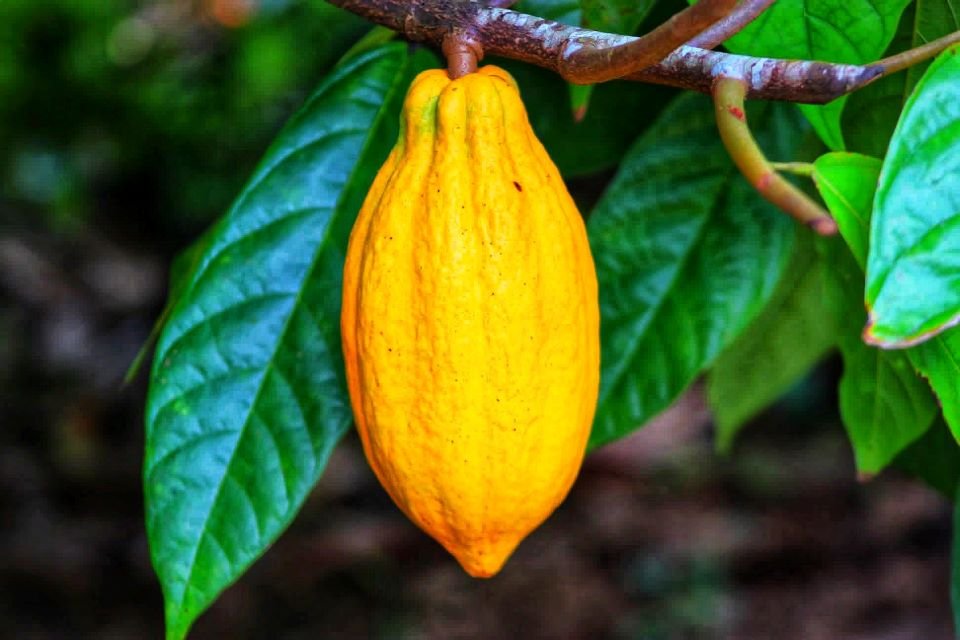
Alongside Makira and Malaita, Guadalcanal is well-positioned for cocoa production; and similarly, alongside Western and Central Provinces, it holds strong potential for copra. Together, the Governor said, these provinces must drive the country toward a tripling of cocoa output and a significant expansion of copra volumes.

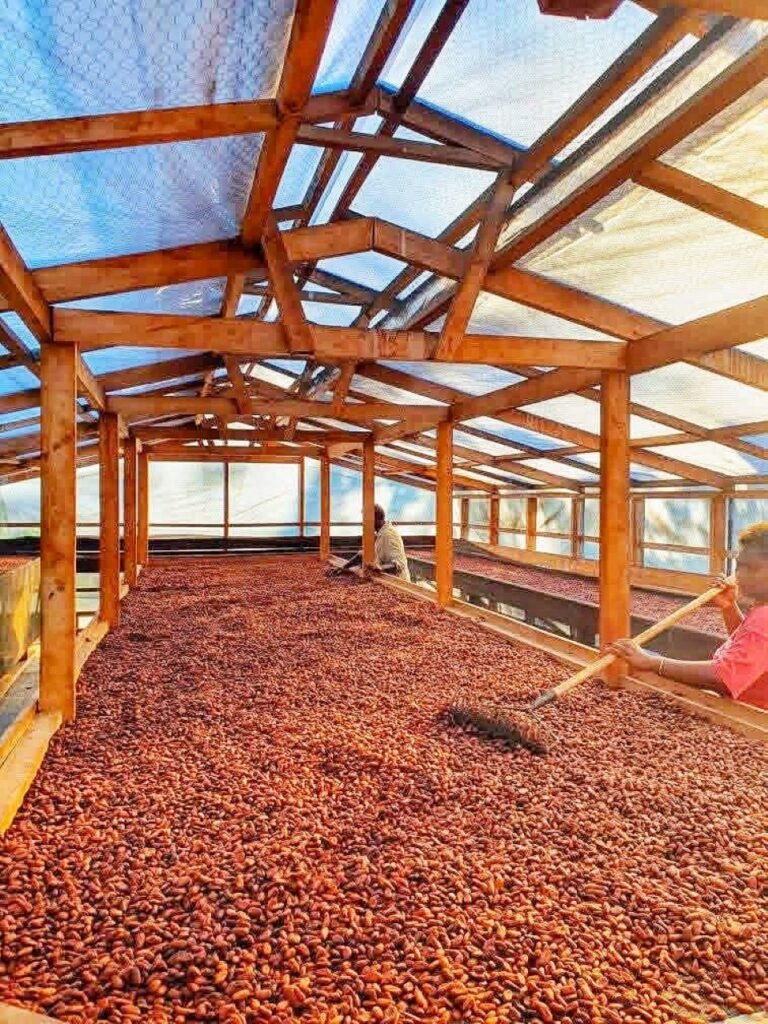
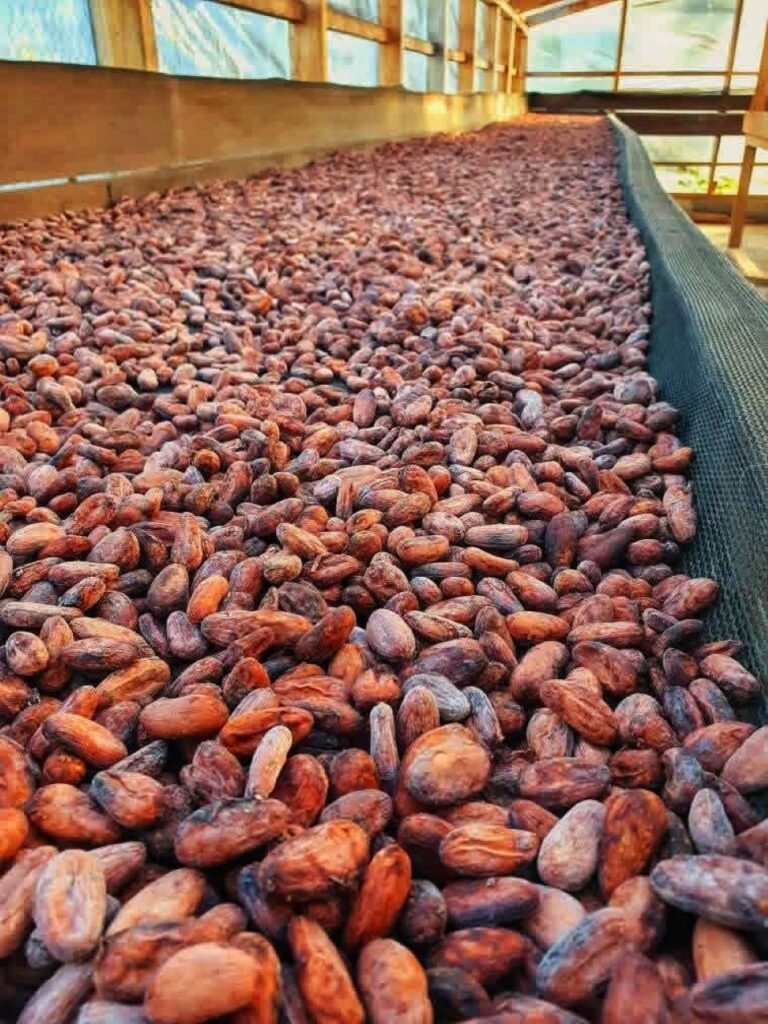
But he was emphatic that production targets alone will not be enough.
“What if, instead of exporting raw cocoa, we produced our own chocolate, right here at home?” he asked.
“That is where the multiplier effects kick in: more jobs, more value retained locally, stronger links to tourism, and a more resilient domestic economy. This is the shift we must make, from volume to value” he furthered.
He emphasized “Agriculture is, in many ways, the mother of all industries. Its true value lies in the linkages it creates across the economy.”
For Guadalcanal Province, the Governor’s message carries specific weight. The province is home to the country’s capital, its largest domestic market, the strategic position of the international seaport, a combination that positions it uniquely to capture the value-addition opportunity that CBSI is calling for.

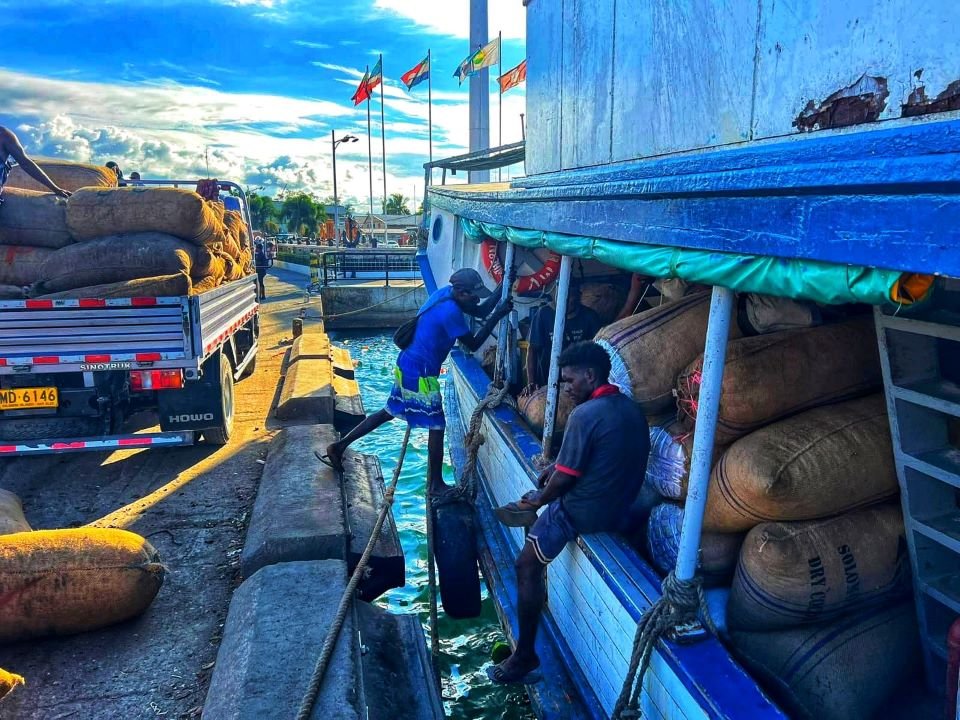
Processed cocoa, coconut oil, and other agricultural goods produced in Guadalcanal’s plains, Weather Coast communities, and interior areas could be supplied directly to Honiara’s growing hospitality sector and exported through existing trade infrastructure.
The Governor also plainly pointed the national food trade imbalance that Guadalcanal’s agricultural capacity could help address. Food imports in 2025 totalled $1,505 million against agricultural exports of only $1,007 million, a gap of $498 million. Rice alone accounted for $398 million of food imports. The Ministry of Agriculture and Livestock Development (MALD) through the Commercial Rice Development Programme (CRDP) is yet to be materialized.
Moreover, late last year, Guadalcanal Provincial Government Premier, Hon. Willie Atu supported the MALD’s initiative to restore the rice projects at GPPOL 2 with South Pacific Economy and Technology Development Co. Ltd (SPETDC), which is currently on trial by the Jiangsu Academy of Agricultural Sciences (JAAS).
The Atu Government is also taking further proactive steps to invest in its agricultural sector by allocating half a million dollars for cocoa and copra farmers in its 2026/2027 budget.
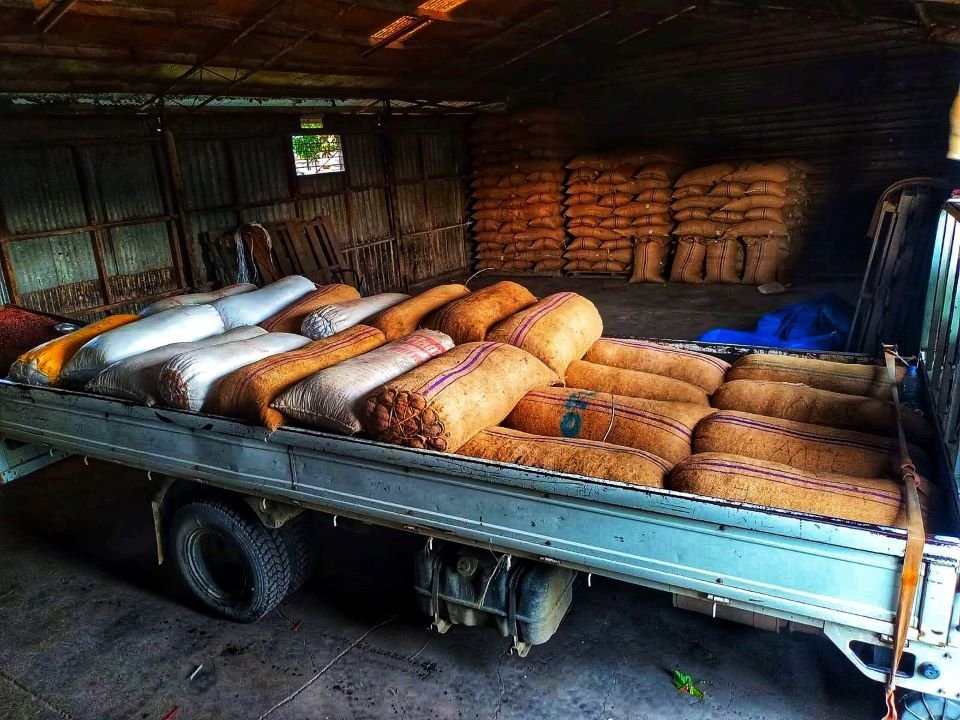
According to the Guadalcanal Provincial Government Minister for Finance, Hon. John Stewart, the allocation for agriculture sector is envisaged to boost cocoa and copra productions on Guadalcanal.
The Governor’s broader argument is that national growth, currently 3.6% in 2025, is too narrow and too dependent on the mining sector, mostly from Guadalcanal Province. Strip out the mining sector, he said, and growth falls to around 2.8 percent.
“We are growing — but not fast enough, and not broadly enough,” the Governor stated.
Without a structural shift toward agriculture and processing industries, he warned the country may not graduate from Least Developed Country (LDC) status by its 2027 target.
Governor Dr. Luke Forau concluded “We must not just grow, but do things differently to grow.”
For Guadalcanal Province, that national challenge translates into a clear provincial mandate: organise its farmers, invest in post-harvest infrastructure, link production to the Honiara market, and capture the processing value that the province is currently giving away in every bag of wet and dried cocoa bean shipped overseas.