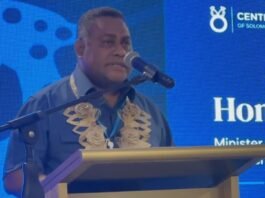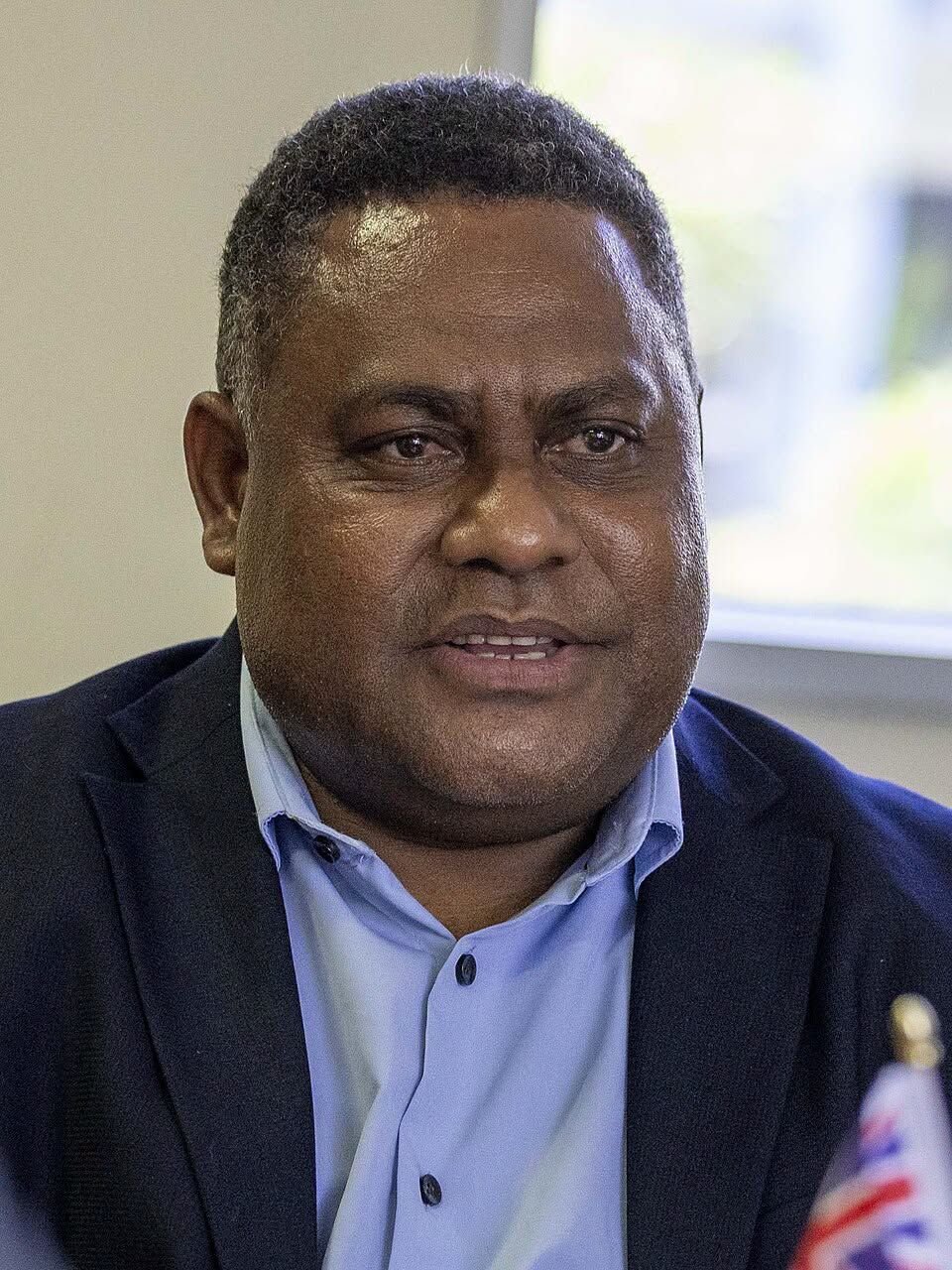
Honiara, 27 October 2026: The Minister for Finance and Treasury, Hon. Rexson Ramofafia, has announced the official gazetting of the Public Financial Management (Grants) Regulations 2026. Enacted under Section 82 of the Public Financial Management Act 2013 (PFMA), these regulations serve as an immediate interim governance measure to establish strict oversight over Government funded grants totalling approximately $490 million across government ministries in 2026.
This interim legal intervention directly addresses severe regulatory and control gaps identified in recent Supreme Audit Institution reports, including the Office of the Auditor-General’s Economic Stimulus Package (ESP) Audit Report. Past audits highlighted that public and donor-funded discretionary grants lacked a standardized administrative framework under the PFMA 2013, resulting in administrative fragmentation, unvouched expenditures, and millions of dollars in public funds going unaccounted for over the years.
Key Control Areas Under the New Grant Administration Guidelines:
To eliminate these control breakdowns, the interim regulations mandate the secretary to prepare an administration manual to operationalise the delivery of all grants until a comprehensive new Grants regulation is put in place. The interim framework establishes a mandatory six-step grant lifecycle which governs fund management from formal application intake, approval processes, disbursement rules, project execution, acquittal compilation, to final certification.
The Minister also emphasized that gazetting the interim grant regulations is part of a broader, high-level PFM reform agenda planned for 2026 and 2027. These include:
- Accelerated PFM Roadmap (2026–2028): Compressing key PEFA-aligned structural reforms across policy-based budgeting, government accounting recovery, and cash management to achieve full operational maturity by 2028, and establishing fiscal buffers ahead of the 1 January 2028 Value-Added Tax (VAT) introduction and stabilizing public debt below the 35% GDP statutory ceiling.
- Treasury Artificial Intelligence (AI) Pilot (2027): As announced by our Honourable Prime Minister we will partner with international experts to complete an AI readiness assessment and deploy automated machine-learning workflows for daily bank reconciliations, financial and fiscal reporting and fraud detection.
- Extractive Governance & Sovereign Wealth Fund (SWF): Re-joining the Extractive Industries Transparency Initiative (EITI) for risk-based mining audits and commencing work towards a SWF legislative framework by mid-2027 to channel mineral revenues into defined accounts.
- Enhanced Public Transparency: Centralizing all Special Funds under MoFT oversight for revalidation, deployment of a pilot electronic procurement (e-procurement), establishing an MoFT Accountability Unit, and aligning Dynamics 365 (D365) budget presentation with the GREAT Coalition policy priorities.
Timeline for Comprehensive Grant Regulations
The gazetted interim regulations mandate the immediate development of a comprehensive, permanent grants regulatory framework which has already commenced with support from independent technical assistance provided by Australia.
The Ministry of Finance and Treasury, in consultation with government agencies and the Attorney General’s Chambers, is actively drafting these comprehensive regulations alongside new Budget Regulations, with full delivery and gazetting targeted by the end of 2026.
“Grants are public monies provided to achieve specific economic and social policy outcomes,” Minister Ramofafia stated. “Recipients must demonstrate transparent utilization and tangible development impacts. This reform reflects our government’s commitment to transparency, accountability, and responsible management of public resources.”