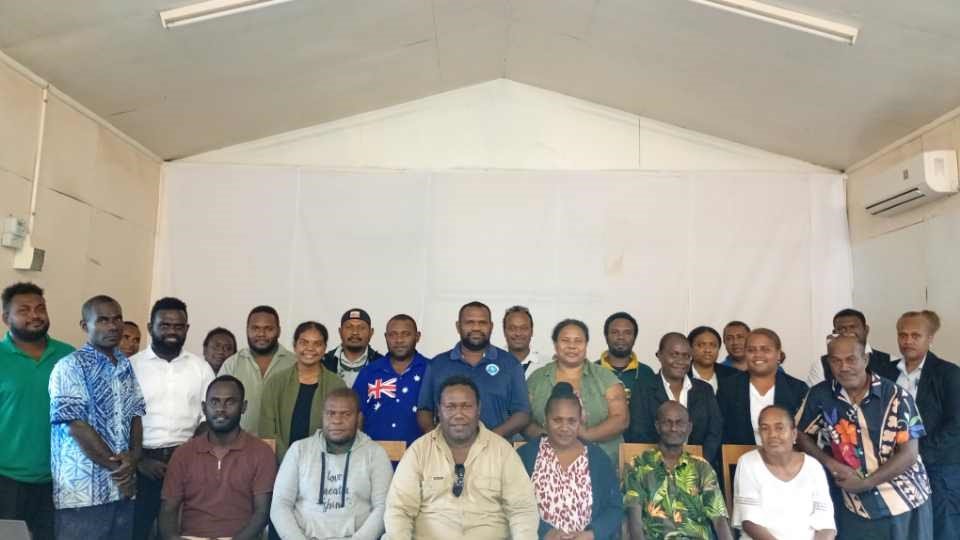
The SI Rangers Association (SIRA), in collaboration with the Solomon Islands Environmental Law Association (SIELA), has successfully hosted a one-day national consultation aimed at validating new Awareness IEC (Information, Education and Communication) materials.
The consultation brought together key voices from across the country to carefully review and improve posters, brochures and PowerPoint presentations prepared by the SIRA–SIELA working group. These materials are designed to help communities better understand forest laws, policies and their rights.
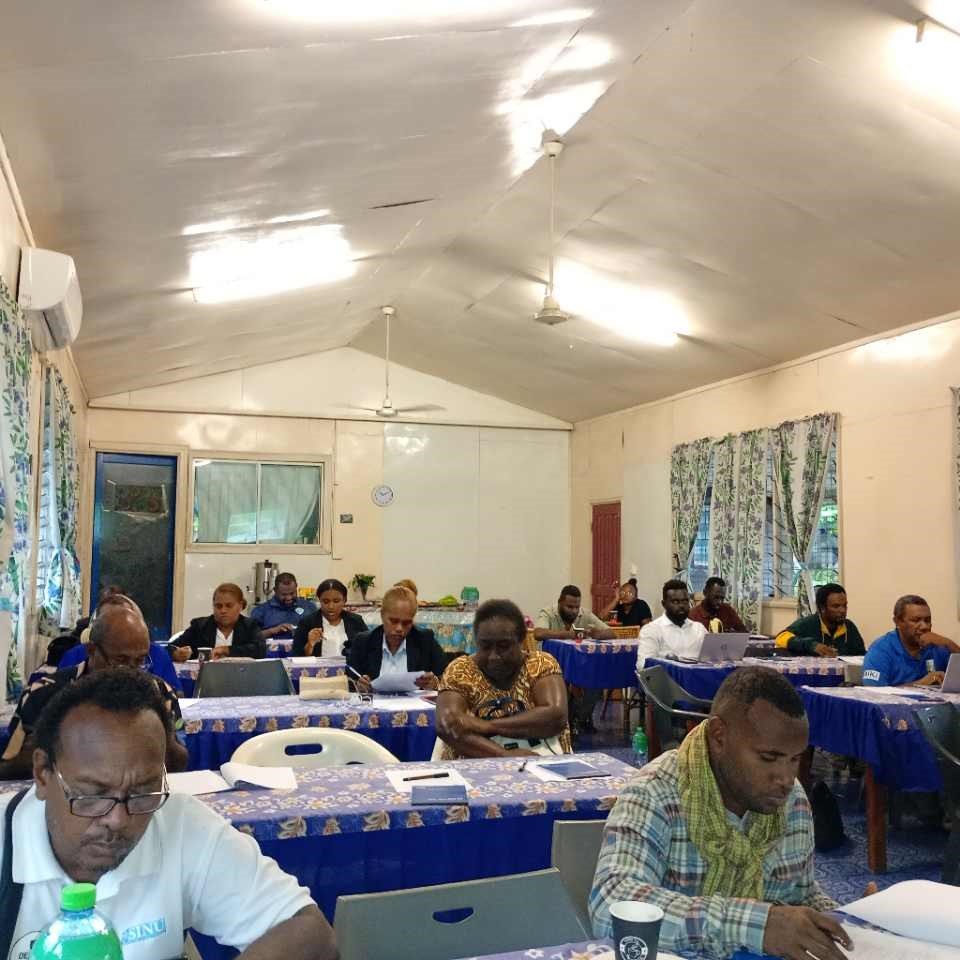
The event was held last month at the Mothers Union Conference Room at All Saints, Point Cruz, in Honiara. Despite heavy rain and busy schedules, 23 participants from 14 different organisations attended.
The consultation is part of the Forest Governance, Markets and Climate Programme (FGMC), funded by the UK Foreign, Commonwealth and Development Office. FGMC is a multi-country initiative that supports developing nations in strengthening forest stewardship. It encourages inclusive discussions among governments, communities and civil society on national and international forest rules, supported by market systems and regulations.

In Solomon Islands, FGMC works through the European Forest Institute Rapid Response Programme, which supports ongoing forest governance reforms.

Forests at the Heart of the Nation
Solomon Islands’ forests are central to the country’s identity and survival. They provide food, clean water, shelter and medicine for communities. They are also a major part of the economy.
Natural forest log exports contribute about 16 percent of government revenue and 65 percent of export earnings. For many rural families, forests are their bank, supermarket and pharmacy all in one.
But these forests are under serious threat. Unsustainable logging practices are causing environmental damage, threatening biodiversity and placing cultural heritage at risk. Communities are witnessing the loss of important wildlife, clean rivers and traditional lands.
The degradation of forests shows the urgent need for better management and stronger awareness at all levels.
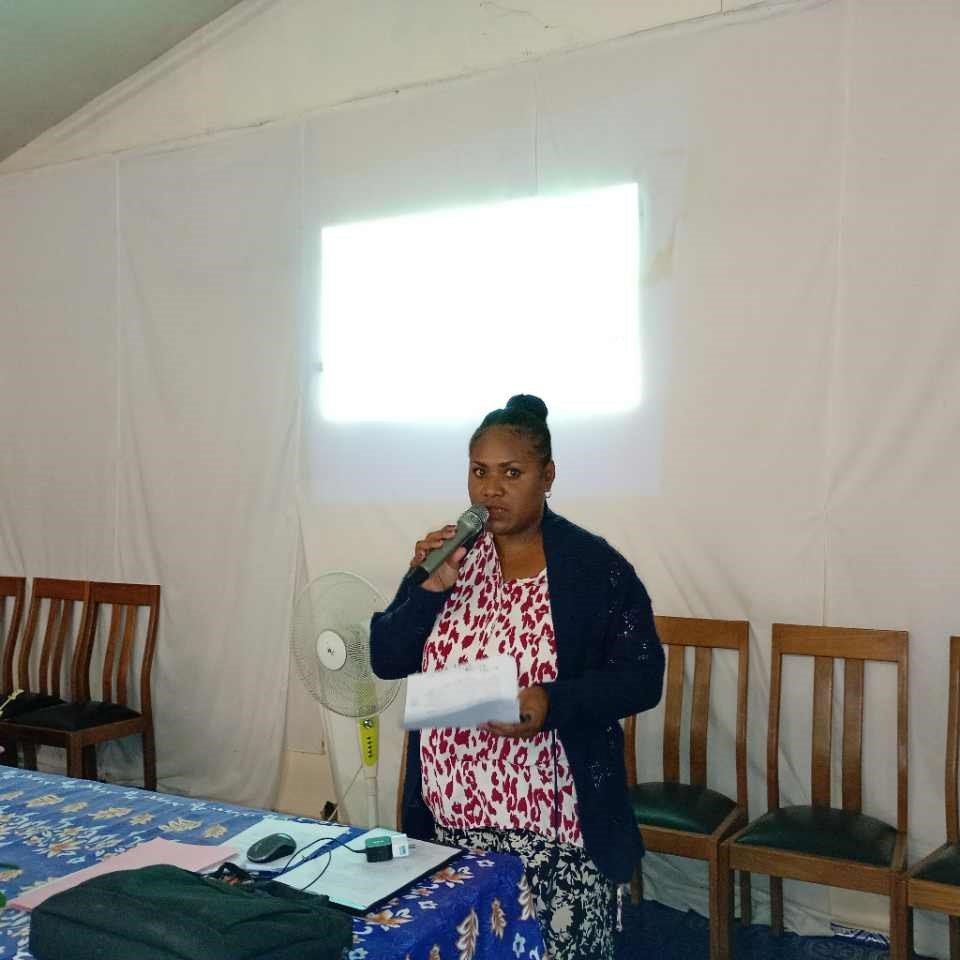
“Too often, valuable policies and crucial information fail to make an impact because the materials do not resonate with the daily realities of our communities,” said Edward Haikau Huitarau, Program Manager of SI Rangers Association, during his opening remarks.
“This consultation is our opportunity to change that. We are not just creating content — we are crafting the tools that will empower our people, improve their livelihoods, and foster meaningful engagement.”
Turning Policy into Practical Knowledge
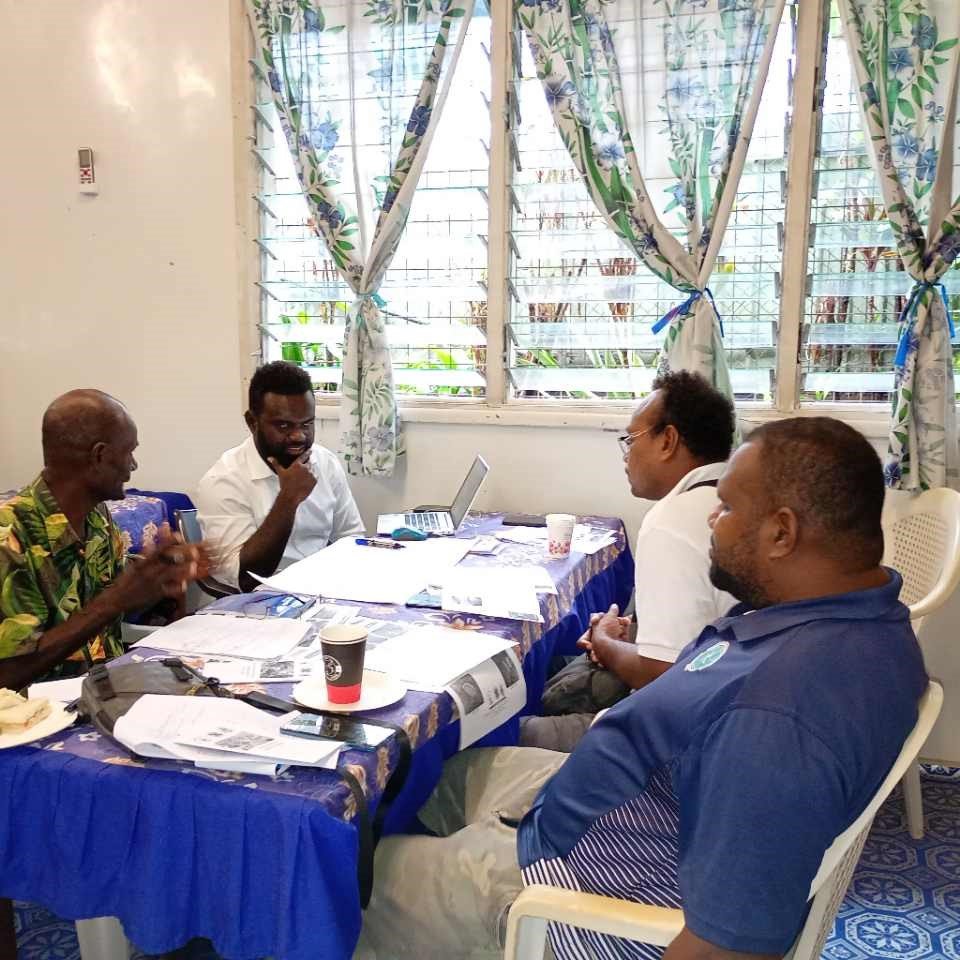
The main goal of the consultation was to evaluate and reach consensus on the draft IEC materials. Participants carefully reviewed each poster, brochure and presentation slide to ensure the messages were accurate, clear and culturally appropriate.
Albert C. Kwatelae, Technical Specialist of SI Rangers Association, reminded participants why their role was so important.
“We are here today because we recognize that the success of any national initiative is not just determined by its design, but by how effectively it is understood and adopted by the people it serves,” he said.
“The materials we are reviewing today are designed to bridge the gap between technical policy and community action.”
Many forest laws and policies are written in complex legal language. For villagers in remote provinces, these documents can be difficult to understand. The new IEC materials aim to translate those policies into simple messages that everyone can grasp.
The scope of SIRA’s assignment includes raising awareness about forest-related policies and legislation at both national and provincial levels. This includes explaining the environmental, social and human rights impacts of logging. It also highlights the rights and protections provided under national laws, including protections for women and children.
Working Together Across Sectors
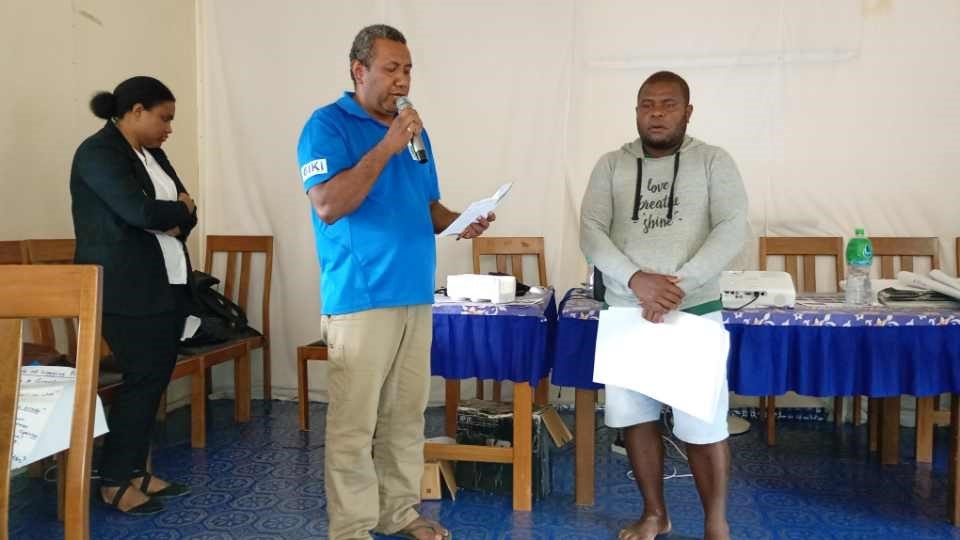
The consultation brought together representatives from government ministries, non-government organisations, community-based organisations and donor partners.
Among the organisations present were the Ministry of Forestry and Research, the Ministry of Environment, Climate Change, Disaster Management and Meteorology, the Royal Solomon Islands Police Force, the Public Prosecution Office, the Public Solicitor Office, Ecological Solutions Foundation, Development Services Exchange, Islands Knowledge Institute, JICA, Live and Learn SI, EFI, Ahetaha Water Conservation Association, Kogala Tribe Forest Conservation and AHNRA.
The diversity of participants reflected the importance of forest governance to many sectors of society.
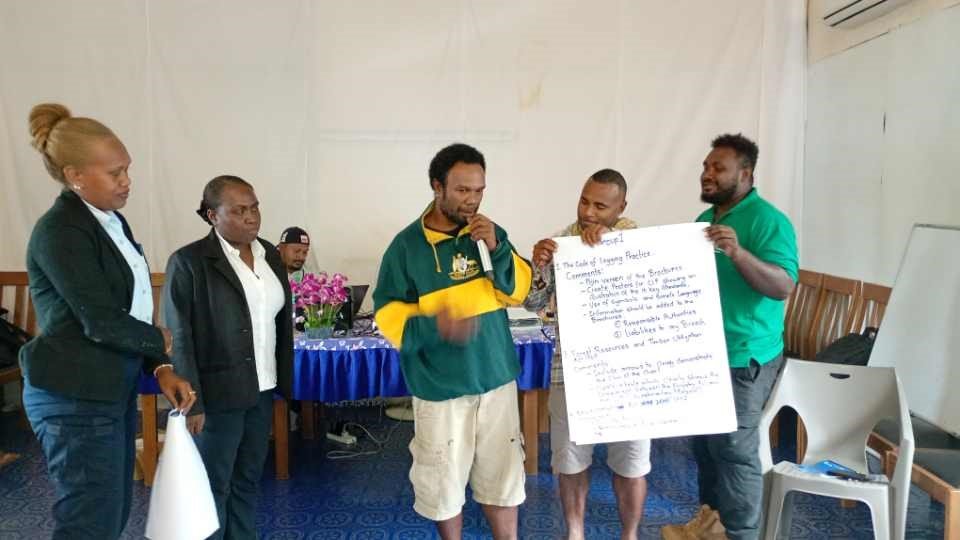
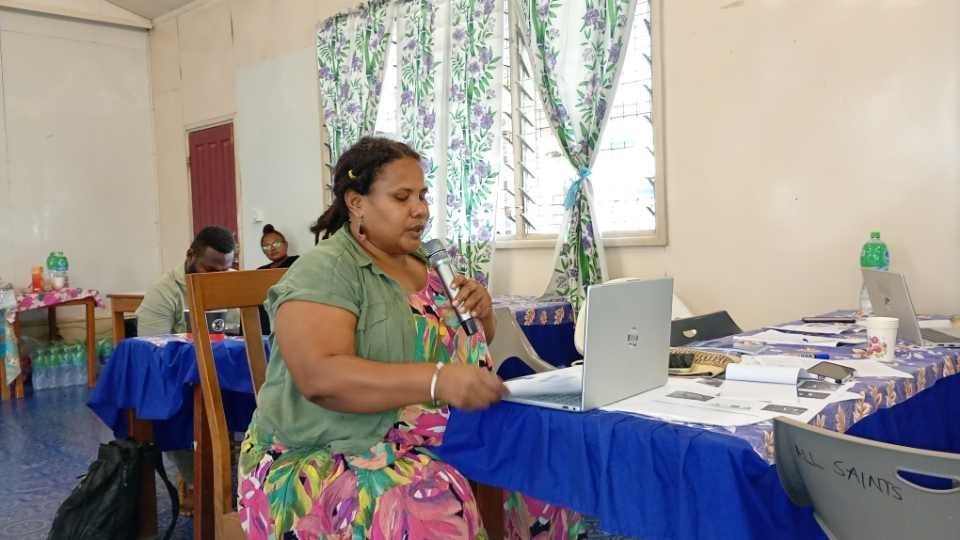
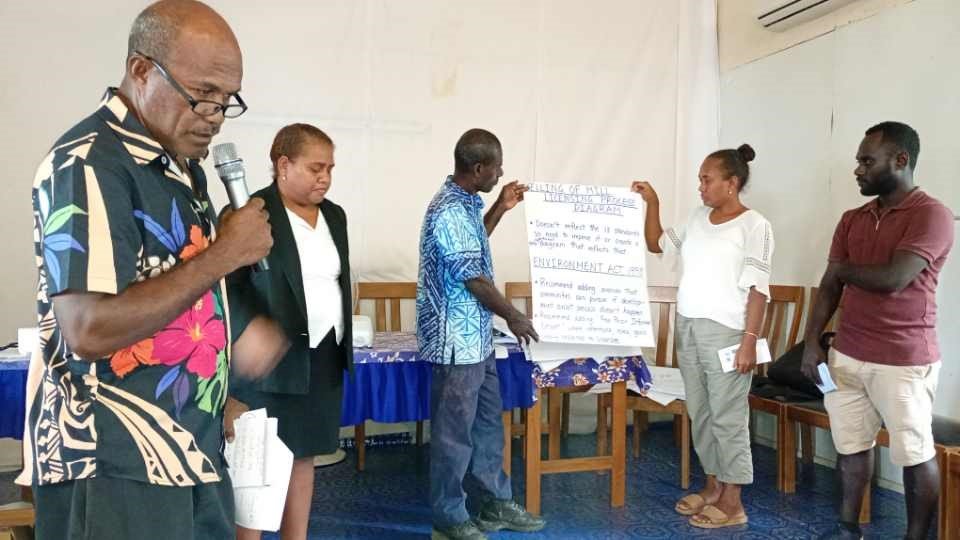
Throughout the day, participants shared feedback on the wording, images and layout of the materials. Some suggested using more local language examples. Others recommended adding clear explanations of community rights under specific laws.
The materials cover important legislation such as the Forest Resources and Timber Utilisation Act, the Code of Logging Practice, the Environmental Act, the Protected Areas Act, the Wildlife Protection and Management Act and relevant international human rights conventions to which Solomon Islands is a signatory.
By the end of the workshop, there was a shared understanding that the materials must not only inform but also inspire action.
Empowering Communities for Sustainable Forests
At its heart, this initiative is about empowering local communities. Education and participation are key to achieving sustainable forest management.
When communities understand their rights and responsibilities, they are better equipped to make informed decisions. They can demand accountability, participate in consultations and protect their resources for future generations.
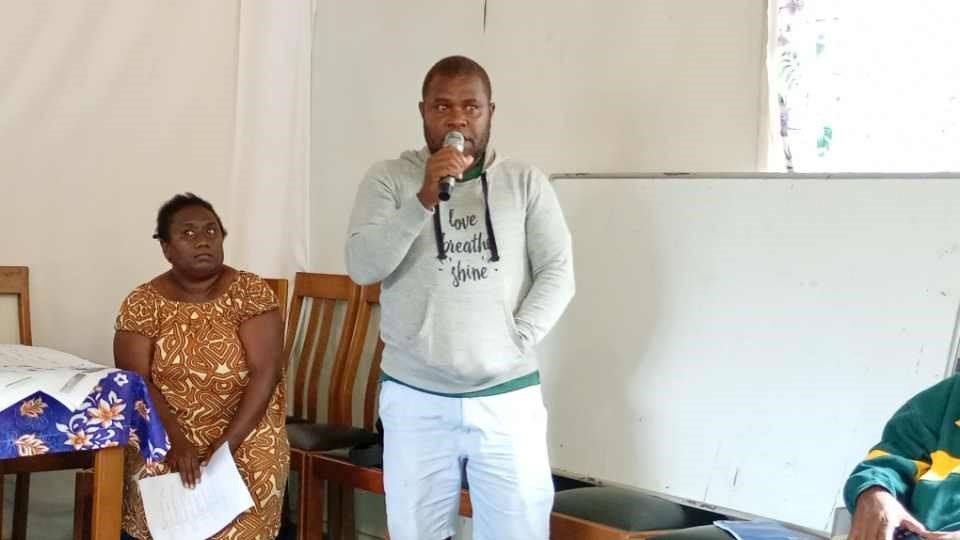
“Our forests are not just trees,” one participant shared during group discussions. “They are our identity, our history and our future.”
The FGMC support, delivered through EFI, plays a crucial role in strengthening forest governance reforms in the country. By supporting inclusive, multi-stakeholder discussions, the programme ensures that national policies reflect the voices of those most affected.
As the day came to a close, participants were thanked for their commitment and dedication, especially given the challenging weather conditions.
“Your presence here today shows that we all care deeply about the future of our forests,” Mr. Huitarau said in his closing remarks. “Together, we can ensure that the information we share is clear, accurate and meaningful for our people.”
The validated IEC materials will now be refined based on the feedback received. They will be rolled out across provinces to support awareness raising, training and consultations on forest sector reforms.
For the SI Rangers Association and its partners, this consultation was more than just a meeting. It was a step toward stronger forest governance, informed communities and a more sustainable future for Solomon Islands.
In a country where forests shape both culture and economy, the message from the consultation was clear: protecting forests is everyone’s responsibility — and it begins with understanding.