BY CAMPION OHASIO

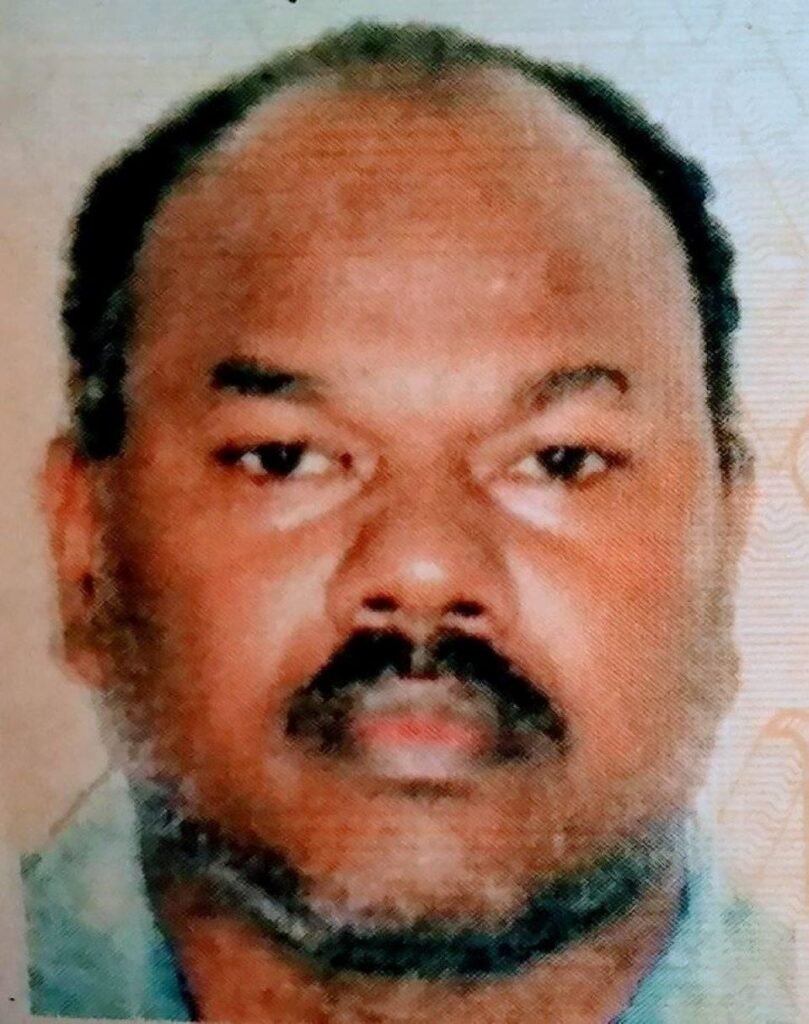
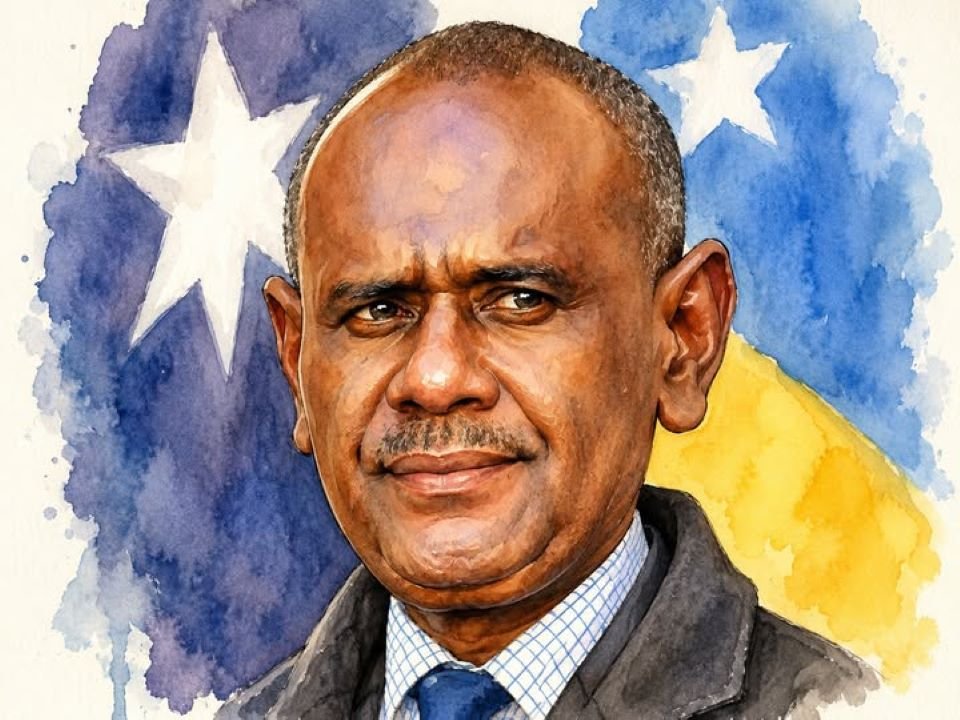
The story of Jeremiah Manele is the story of a man who moved from the quiet world of international diplomacy into the loud and often stormy world of Solomon Islands politics. Since being elected as the nation’s leader on May 2, 2024, his time in office has been marked by big changes, strong friendships with foreign powers, and a sudden political crisis that has recently brought his time as Prime Minister to a historic turning point.
𝐅𝐫𝐨𝐦 𝐃𝐢𝐩𝐥𝐨𝐦𝐚𝐭 𝐭𝐨 𝐋𝐞𝐚𝐝𝐞𝐫
Before he was Prime Minister, Jeremiah Manele was known as one of the country’s most experienced diplomats. He served as the Foreign Minister under the previous leader, Manasseh Sogavare
In that role, he was a key person in the 2019 decision to switch the Solomon Islands’ diplomatic recognition from Taiwan to the People’s Republic of China (PRC).
He was also a central figure in negotiating the 2022 security pact with Beijing, a move that made the Solomon Islands a focus of global attention.
Because of this history, many observers saw Manele’s government; known as the Government of National Unity and Transformation (GNUT)—as a continuation of the “pro-Beijing” policies of his predecessor.
Manele himself has often argued that these ties are necessary to bring much-needed infrastructure and economic growth to the islands.
𝐓𝐡𝐞 𝐕𝐢𝐬𝐢𝐨𝐧 𝐨𝐟 𝐆𝐍𝐔𝐓
The GNUT government was built on a promise of “transformation.” Manele’s vision focused on what he called the “productive sector,” which meant fixing the economy by building better roads, hospitals, and communications.
Under his leadership, the government pushed forward with projects like the Second Solomon Islands Roads and Aviation Project (SIRAP II).
This included building the Fiu River Bridge in Malaita and sealing miles of new roads to connect rural farmers to markets.
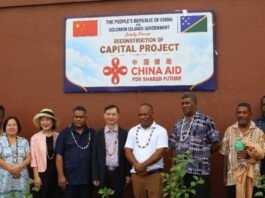
He also oversaw the completion of the China-Aid Comprehensive Medical Center in Honiara and worked with Japan to fund the upgrade of the Kilu’ufi Hospital.
Manele also believed in the power of sports to unite the country. He became a high-profile supporter of the “Kings Army,” the fan movement for the Solomon Kings FC football team.
By pledging his allegiance to the movement, he linked his national leadership to the local passions of the people.
𝐀 𝐋𝐞𝐚𝐝𝐞𝐫 𝐢𝐧 𝐭𝐡𝐞 𝐏𝐚𝐜𝐢𝐟𝐢𝐜
Manele’s influence reached beyond his own borders. He currently serves as the Chair of the Pacific Islands Forum (PIF), an organization that brings together leaders from across the region.
In this role, he has represented the Pacific on the world stage, hosting high-level meetings in New York during the United Nations General Assembly to talk about the region’s unique challenges.
One of the biggest challenges he faced was climate change. Manele’s government has had to deal with the social and economic impact of Tropical Cyclone Maila, which caused damage across several provinces.
He has also had to manage the fallout from rising fuel prices, which have made life harder for many Solomon Islanders who live in remote areas.
𝐒𝐭𝐫𝐞𝐧𝐠𝐭𝐡𝐞𝐧𝐢𝐧𝐠 𝐍𝐚𝐭𝐢𝐨𝐧𝐚𝐥 𝐈𝐧𝐬𝐭𝐢𝐭𝐮𝐭𝐢𝐨𝐧𝐬
Manele made it a priority to fix institutions that many felt were failing. This included the police force. When he welcomed a new Police Commissioner in April 2026, Manele called for a major focus on discipline and reform.
This was part of a larger effort to ensure that the police remain neutral and independent of politics, a lesson learned from the nation’s history of ethnic conflict known as “The Tensions”
His government also issued warnings to all public servants, telling them they must stay neutral during political arguments.
Manele wanted a government that could function smoothly, even when the politicians in Honiara were fighting.
𝐓𝐡𝐞 𝐂𝐫𝐢𝐬𝐢𝐬 𝐨𝐟 𝟐𝟎𝟐𝟔
Despite his successes in building infrastructure and leading the region, the political situation at home began to fall apart in early 2026. The trouble started in March when 19 members of parliament; including several of Manele’s own ministers; left his coalition to join the opposition.
This was called a “mass exodus,” and it left the Prime Minister without a majority in the 50-seat Parliament.
The opposition, a new coalition of six political parties, immediately called for Manele to face a Motion of No Confidence.
However, Manele refused to call a sitting of Parliament for several weeks, leading to a “constitutional impasse”
This delay led to a historic battle in the courts. Chief Justice Sir Albert Palmer ruled that Manele’s refusal to face the vote was “unlawful” and a breach of his duty under the constitution.
The Prime Minister appealed this decision, but on May 1, 2026, the Court of Appeal dismissed his case and ordered him to convene Parliament by May 7.
𝐓𝐨𝐝𝐚𝐲’𝐬 𝐃𝐞𝐜𝐢𝐬𝐢𝐨𝐧 𝐚𝐧𝐝 𝐭𝐡𝐞 𝐅𝐮𝐭𝐮𝐫𝐞
Today, May 7, 2026, the motion was finally heard. The Parliament voted, and Jeremiah Manele was officially voted out as Prime Minister.
This moment brings an end to the GNUT administration’s time in power, which had lasted just over two years.
However, the political drama is not quite over. Because the opposition has not yet voted in a new Prime Minister, Manele is expected to remain as a caretaker leader until a successor is chosen. Names like Frederick Koloqeto, Matthew Wale, Gordon Darcy Lilo, and Rick Hou are being “whispered” as potential new leaders, but in the Solomon Islands, alliances can change “in a heartbeat”
𝐓𝐡𝐞 𝐋𝐞𝐠𝐚𝐜𝐲 𝐨𝐟 𝐚 𝐃𝐢𝐩𝐥𝐨𝐦𝐚𝐭
Jeremiah Manele’s time as Prime Minister will likely be remembered for its strong connection to China and its focus on infrastructure transformation.
He was a leader who believed that the Solomon Islands needed to modernize quickly, even if it meant making controversial choices in foreign policy.
While he was ultimately defeated by a “numbers game” in Parliament, his supporters would point to the new roads, the new medical facilities, and his steady hand in regional leadership as his true legacy.
As the nation waits for a new Prime Minister to be sworn in, the period of Jeremiah Manele’s leadership stands as a chapter of intense growth, global visibility, and ultimate political volatility in the history of the Solomon Islands.