The Audit Report on the National Hosting Authority’s expenditure and procurement activities for the Pacific Games hosted in the country in 2023 has pointed to irregular, improper and unlawful practice over how public funds were managed and expended.
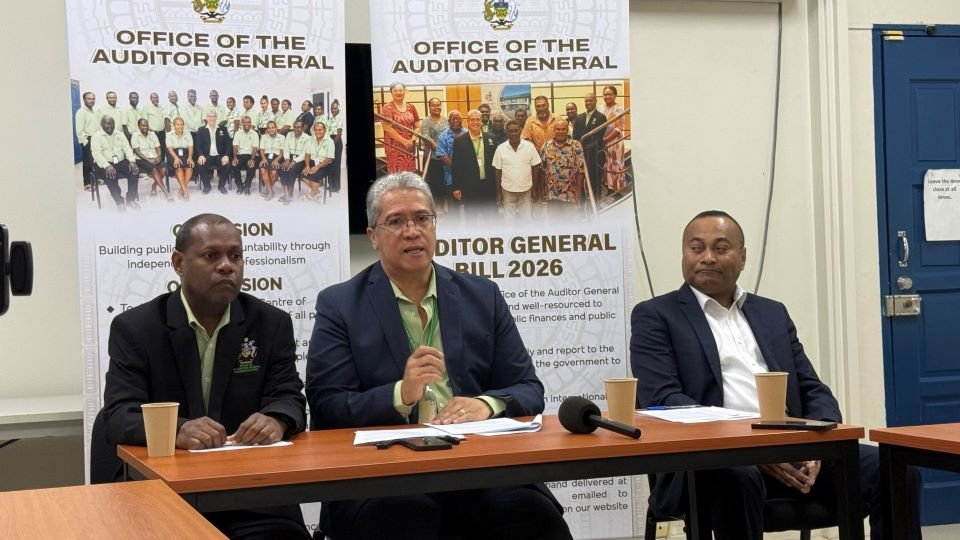
The Office of the Auditor General released the report yesterday, Friday 21st August and tabled in the current Parliament sitting, also on Friday. A copy of the report has also been handed over to the Minister of the Games, the Hon. Prime Minister Mathew Cooper Wale.
The special audit is contracted to KM Fiji and it focused on the procurement practices for the games. It looked at a sample of 16 procurements totalling to SBD222.40 million from a total of SBD502.16 million purchase orders.
In releasing the report, Outgoing Auditor General David Teika Dennis described the findings as serious.
“My overall conclusion is serious. The Authority did not comply with key requirements of the Public Financial Management Act (the PFM Act) in both its expenditure and procurement practices. As confirmed in the court ruling released yesterday, it is clear that the Authority did not have the legal authority needed to incur expenditure from the Special Fund. It further implemented procurement practices which were contrary to the PFM Act and have led to issues of waste and probity.
“It identified multiple layers of weak practice, missing records and errors which, in some cases, overlap and reinforce each other. This has made it challenging to trace the exact sequence of events and to determine how certain procurement decisions were made. The underlying detail in each case has been fully documented and referrals will be made where there are concerns about fraud or wrongdoing,” said Auditor General Dennis.
Key findings of the audit include;
- Weak controls, exposing public money to integrity risks
- Competition between contractors was bypassed without sound justification
- Evaluation decisions did not align to prescribed processes Due diligence checks were not done properly
- Conflict of Interest Controls did not protect the process
- Mis-use of customs duty exemptions
- Poor records management and audit support
- Lack of expenditure authority Some of the key areas requiring change highlighted by the report are that;
- Public entities must keep complete, signed and organised records for all significant receipts, payments, approvals and decisions. These records should be readily available during the audit.
- Public officers who approve or manage financial transactions must understand their responsibility to keep proper records. Where records are missing, incomplete or unreliable, there should be clear accountability for that failure.
- Major projects and special funds must have a properly resourced financial management function.
This includes people with the qualifications, time, skills and authority to maintain records, support audit requests and ensure that spending is lawful, approved and properly documented.
Meanwhile the OAG and KPMG hope the report will assist the Solomon Islands in future events, in compliance with legal and regulatory requirements, upholding transparency and accountability in the expenditure of public funds.
“We hope that our recommendations will assist the government and the Ministry involved to strengthen its planning and delivery of future national events. We also hope that the report is a reminder to uphold accountability and transparency when it concerns the expenditure of special funds within the Government, setting objective standards for effective public service delivery.”