BY SHOREYANN RAGOSO
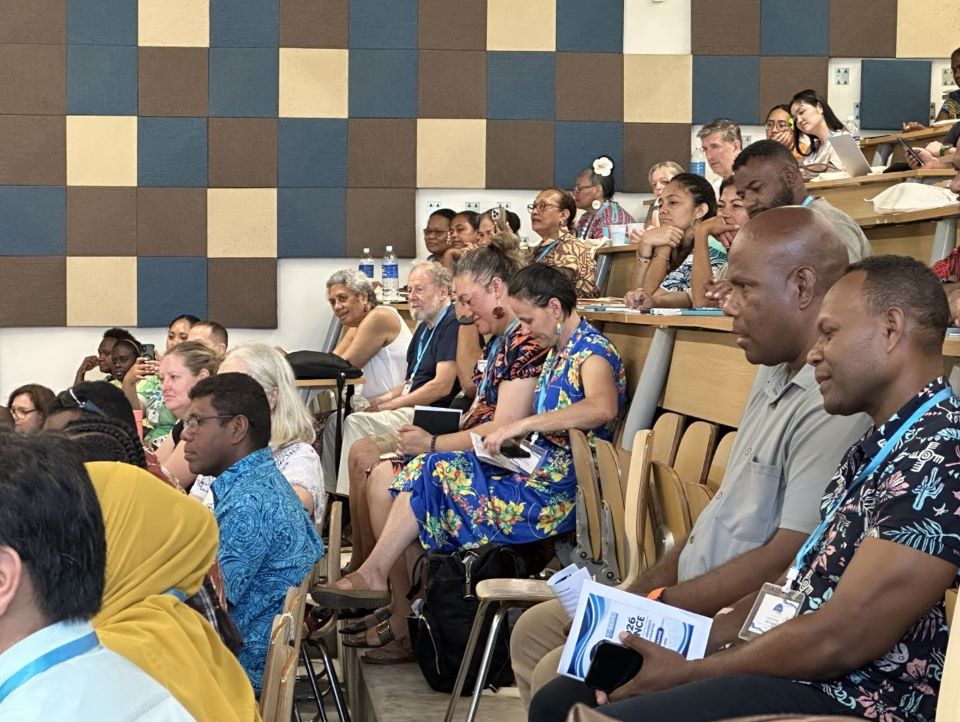
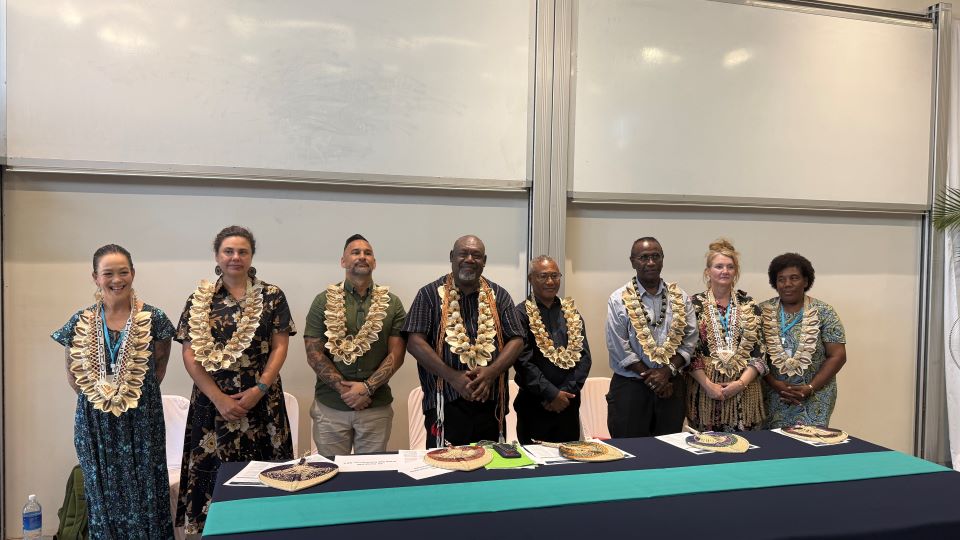
The Solomon Islands has welcomed the 54th Annual Conference of the Oceania Comparative and International Education Society (OCIES) for the first time, bringing together Educators, researchers and policy makers from across the Pacific and beyond, to discuss, share and experiences on the challenges and opportunities facing education in the pacific and ways to improve education and shaping a better future for the region.
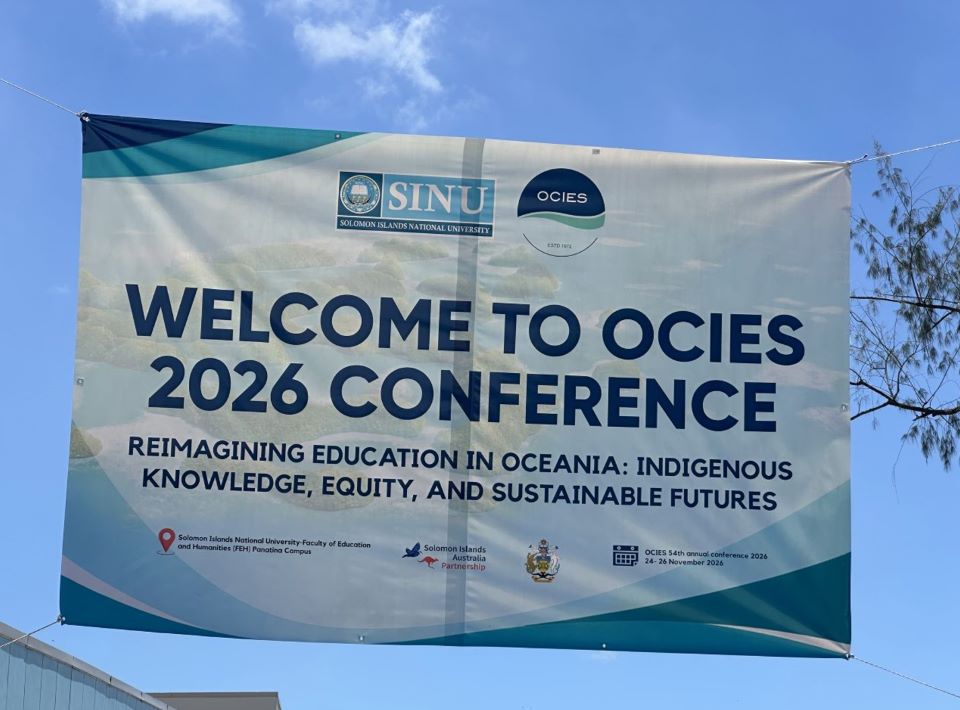
The Conference is being held from 24th to 26th November 2026 at the Solomon Islands National University (SINU) Faculty of Education and Humanities Panatina Campus in Honiara.

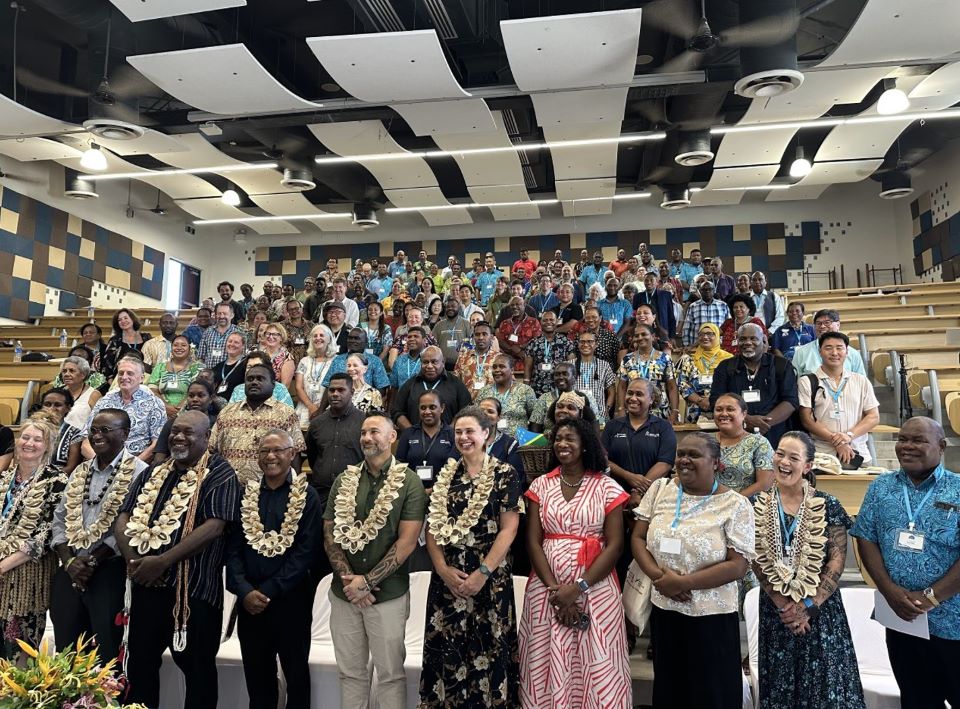
The conference also aims to encourage discussions on how education can recognize indigenous knowledge, promote equal learning opportunities and support sustainable development across the region.
This years OCIES Conference is held under the theme ‘’Reimaging Education in Oceania: Indigenous Knowledge, Equity, and Sustainable Futures.’’ The theme highlights the importance of indigenous knowledge, fairness in education and sustainable development as Pacific Countries respond to changing social, economic, and environmental conditions.
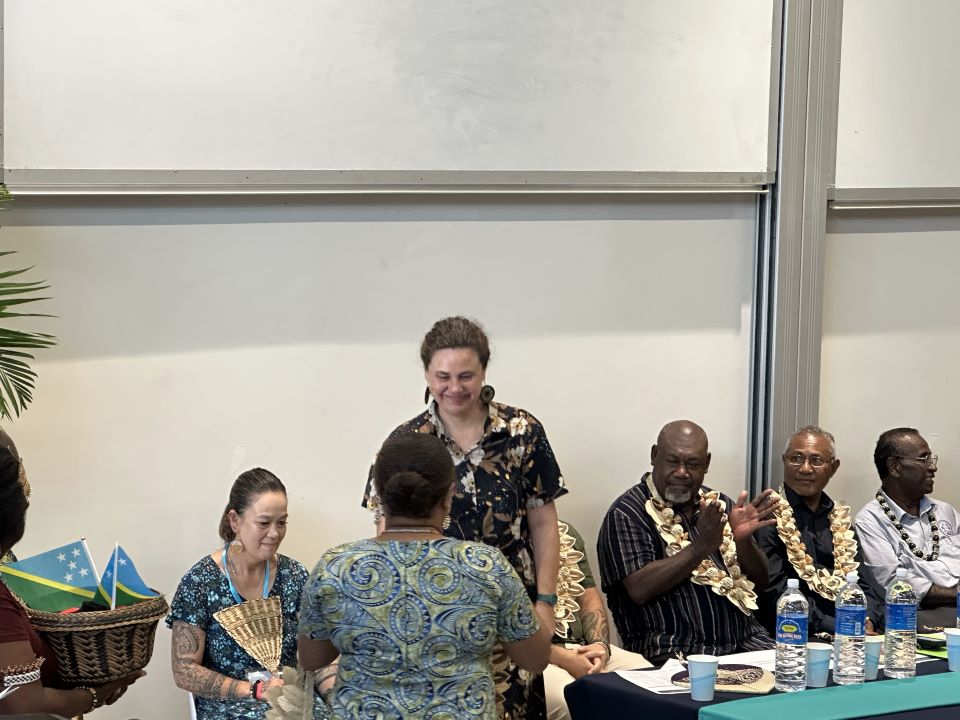
Speaking at the opening of the 54th OCIES Conference Deputy Prime Minister Hon. Francis Sade has called for an education system that values indigenous knowledge, promotes equity and prepares Pacific Communities for a Sustainable future.

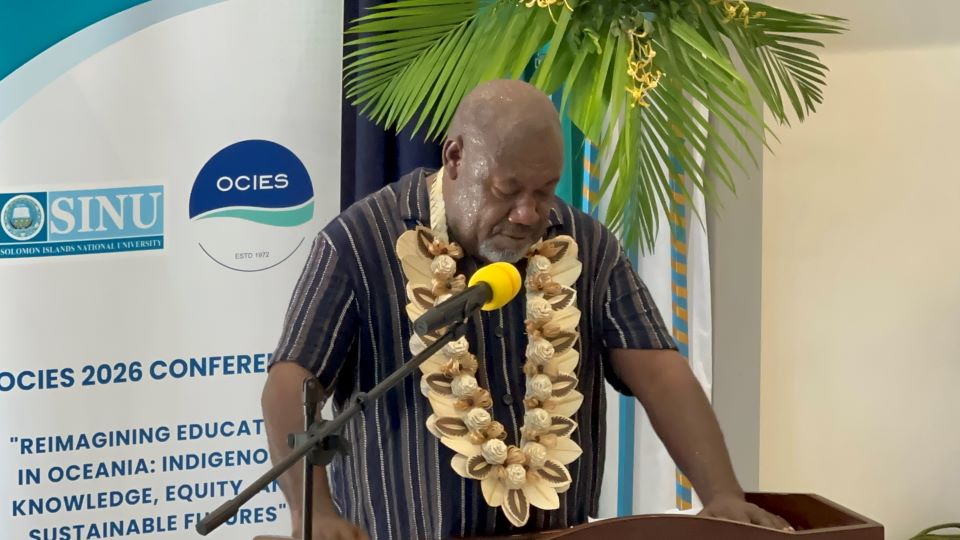
In his keynote address Hon. Sade said Solomon Islands was proud to host regional and international delegates. ‘’On behalf of the Government and people of Solomon Islands, I extend our warmest welcome to our international and regional delegates,’’ Sade said. ‘’We are delighted to welcome you to our beautiful country, a nation of diverse islands, cultures, languages and traditions.’’
He said hosting the conference gave Solomon Islands an opportunity to contribute to regional and global discussions on the future of education. He stressed that Pacific countries should not be seen as only recipients of overseas knowledge or development assistance.
‘’We are also producers of knowledge, contributors to innovation and partner in shaping education,’’ he said.

Sade said indigenous knowledge, languages and cultural practices must have a stronger place in schools, universities and research institutions. He said traditional knowledge about land, sea, food security, medicine and community leadership remained valuable.
‘’Our children should not have to choose between education and being culturally grounded,’’ he said. ‘’They should be empowered to be both.’’
He also highlighted the need to address unequal access to quality education, particularly for children in rural and remote communities. He said location, family, income, gender, language and disability should not determine a child’s opportunity to succeed.
‘’Equity is not simply about providing some resources to everyone,’’ Sade said. ‘’It is about recognizing the different needs and circumstance and providing appropriate support so that everyone so that every learner has a genuine opportunity to succeed.’’
Sade also paid tribute to teachers, describing them as the heart of every successful education system. He said governments must continue investing in teacher training, professional development and support for educators in remote areas.
“Quality education cannot be achieved without qualified, motivated and adequately supported teachers,” he said.
He encouraged researchers, policymakers and education leaders to work together and ensure research leads to practical improvements in classrooms and communities.

“Research should not remain confined to academic publications and conference presentations,” he said. “Its value must also be demonstrated through contributions to improved policies, practices and outcomes for our people.”
Sade thanked SINU, OCIES, development partners and sponsors for making the conference possible. He said stronger regional partnerships, based on mutual respect and national ownership, would help Pacific countries address shared education challenges.
Participants are expected to share research and perspectives that could contribute to stronger education systems and better learning opportunities for communities across Oceania.