







BY JOY OFASIA
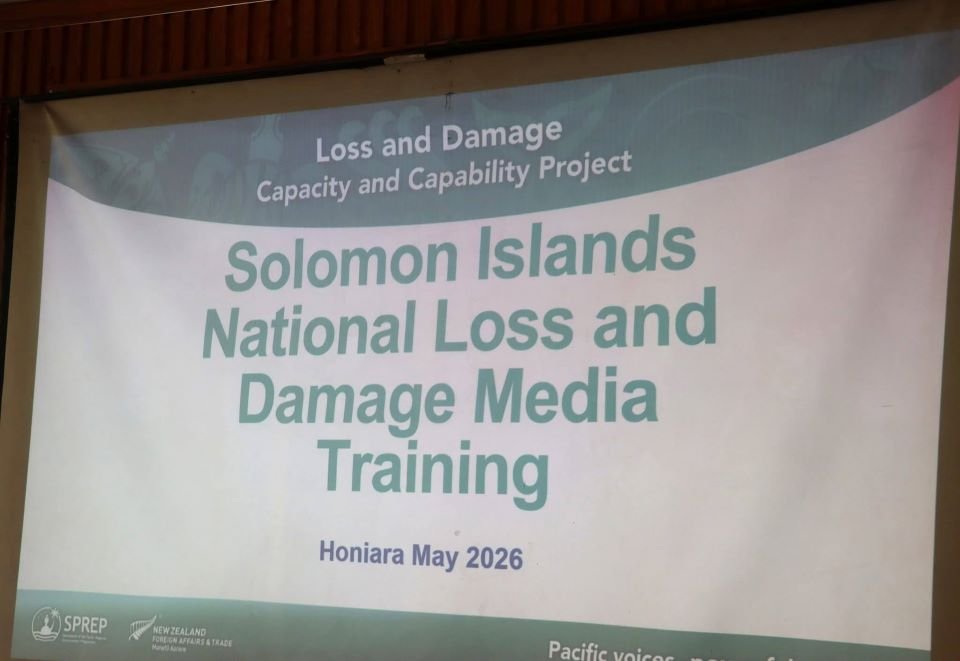
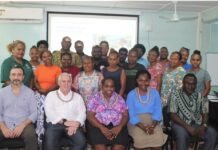
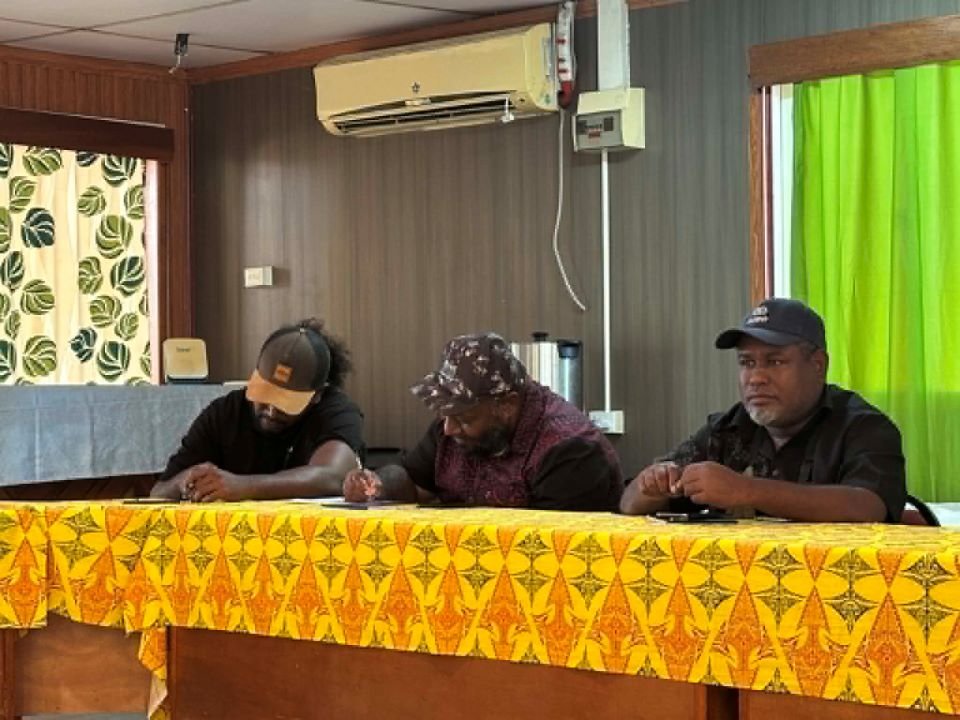
Fifteen journalists from different media organizations in Honiara are attending a three-day media training on Solomon Islands National Loss and Damage.
The training is organised by the Media Association of the Solomon Islands in collaboration with the Secretariat of the Pacific Regional Environment Programme (SPREP).
Jessicca Rodham, SPREP’s Climate Change Loss and Damage Officer, speaking during the opening session said media is a key part of global efforts to address climate change induced loss and damage and with Pacific countries at the forefront of the impacts of the climate crisis, media is the fastest channels to amplify the Pacific voice and communicate information to reach, influence and engage the masses.
“You are the eyes and the ears of your communities and you play such a critical role in telling, sharing and amplifying the story of your people’s struggles, fight and successes when it comes to climate change,” Ms Rodham said.
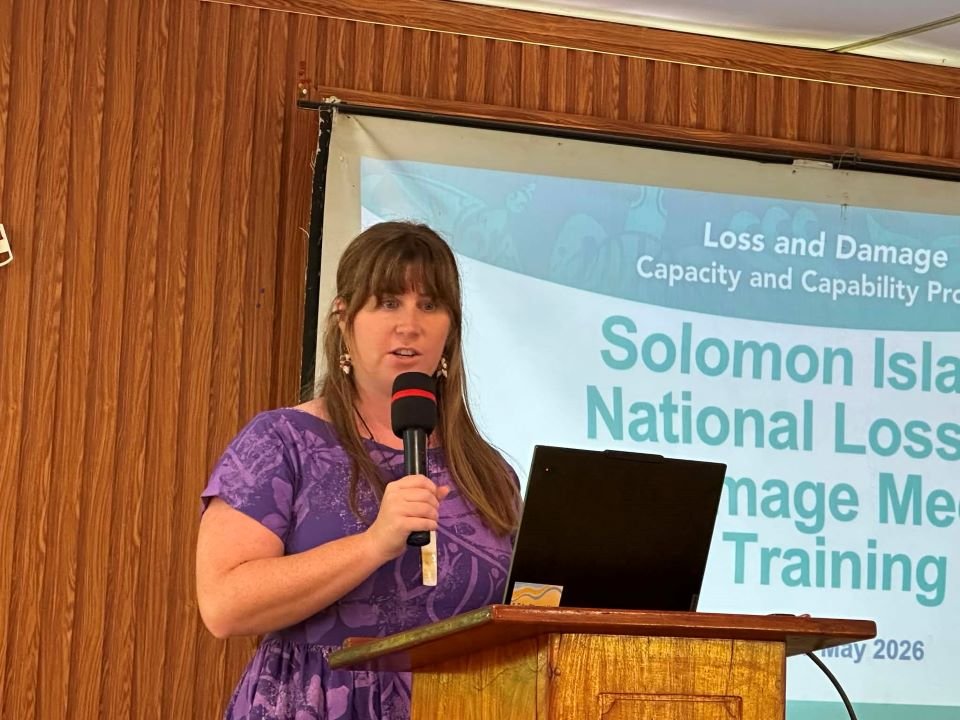
She said in the Solomon Islands we have witnessed and experienced its devastating impacts and SPREP is mandated by our Pacific governments to promote regional cooperation, provide assistance to protect and improve the Pacific environment and ensure sustainable development for present and future generations.
“Since 2018, SPREP has worked with partners to build the capacity for Pacific Island media to report on the issue of climate change and other environmental issues,’ she said.
David Hiba the Permanent Secretary for the Ministry of Environment Climate Change, Disaster Management and Meteorology said the training is not just another call of some of the biggest calls to action but a moment of recognition to the power of storytelling, the influence of communication and the responsibility of the media in shaping how the world understands the lived realities of climate change.
Mr Hiba said in Solomon Islands and across the Pacific, climate change is not a theory, it is our reality and so it is the medias role as media professionals to ensure these stories are told, heard and understood.
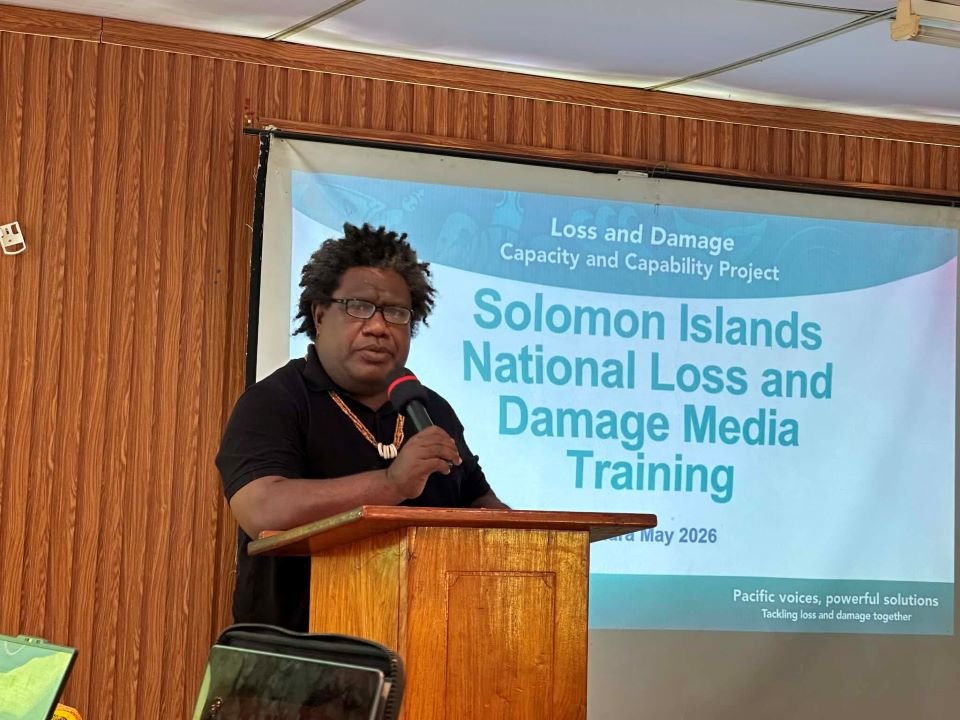
“The media has the power to transform statistics into human narratives, to amplify the voices of those on the frontline, and to ensure the world understands the human dimension of climate change,” he said.
Mr Hiba mentioned that media is the bridge that carries those voices from villages and coastlines to the global stage. Radio, television, newspapers and social media platforms are not just channels of communication, but they are instruments of change.
“You work as journalists, broadcasters and storytellers, therefore central to our national and regional efforts. You are not just reporting, you are shaping the global narrative of climate justice,” he said.
Mr Hiba acknowledged SPREP Embassy for their collaboration.
The three-day workshop with the Solomon Island Media is funded by the Loss and Damage Capability and Capacity (LDCC) Project funded by the Government of New Zealand.