




























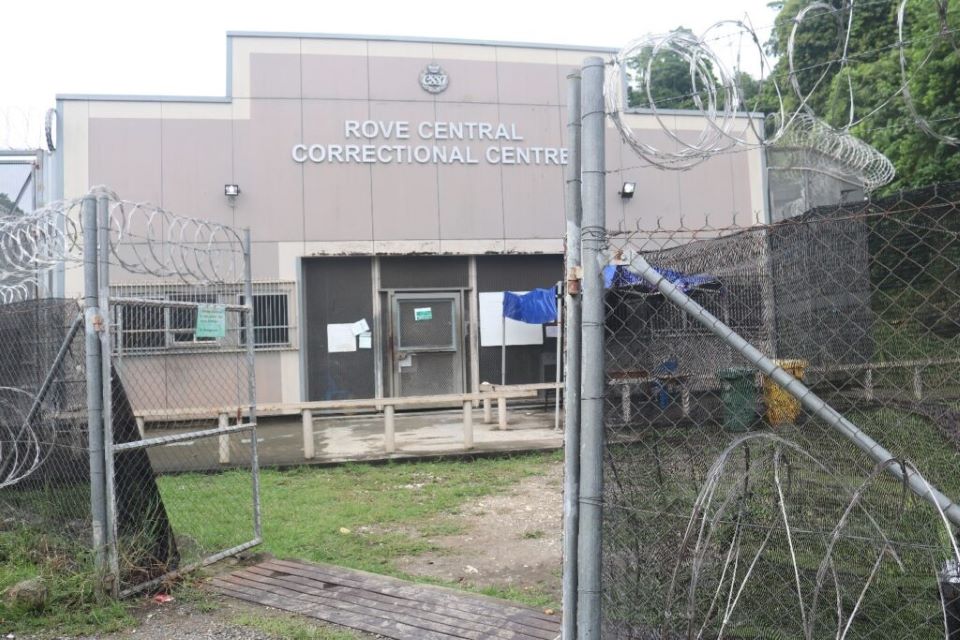
Behind the prison walls across Solomon Islands are 193 people waiting for their cases to be heard and determined. For some, the wait has reportedly lasted between five and thirteen years, raising serious concerns about justice, human rights and the length of time people spend in custody without their cases being finalised.
The issue of prolonged remand detention has become a growing concern following comments by the Commissioner of Correctional Services, Mr Mactus Forau, who highlighted the number of people currently held on remand throughout the country.
For those affected, every passing day means more time away from their families, children and communities, while waiting for an opportunity to have their cases dealt with by the courts.
The Judiciary has acknowledged the concerns raised by Commissioner Forau, describing the reported lengthy periods of detention as deeply concerning and deserving of urgent attention.
However, it says addressing the problem requires the cooperation of all institutions involved in the criminal justice system.
Each institution has a different responsibility, and delays can occur at different stages of the process.
Police are responsible for investigating alleged offences, while the Office of the Director of Public Prosecutions (DPP) makes prosecution decisions and manages the progress of criminal cases.
The Public Solicitor provides legal advice and assistance to people who cannot afford private legal representation, including those facing criminal charges.
Correctional Services, meanwhile, is responsible for the safe custody of prisoners but also has important responsibilities towards people held in correctional facilities.
Under the Correctional Service Act 2007, the Commissioner has responsibilities relating to prisoners’ records, requests and complaints, as well as ensuring they have access to information about their rights and legal representatives.
This means Correctional Services is in a strong position to identify people who have spent unusually long periods on remand and help them access legal assistance.
For many remandees, knowing their legal rights and understanding how to apply for bail can make an important difference.
The Judiciary has also clarified that courts have a specific role in the process.
The Magistrates’ Courts and High Court are responsible for managing cases within their respective jurisdictions and hearing applications, including bail applications.
However, the Judiciary says it is not the responsibility of the High Court to provide legal advice to prisoners, prepare bail applications for them or manage the correctional system.
These responsibilities belong to other justice agencies.
There are already legal procedures available to help people facing lengthy periods on remand.
High Court Practice Direction No. 1 of 2011 provides guidance on the timely handling of committal proceedings. It also recognises that a person held on remand can apply to the High Court for bail if committal has been delayed beyond the expected six-month period.
The Public Solicitor’s published bail guidance also explains how prisoners without legal representation can have their applications forwarded to the High Court Registry through the officer in charge of a correctional centre.
But an important question remains: Are these procedures reaching the people who need them?
The Judiciary believes stronger cooperation between Correctional Services and the Public Solicitor could help address the situation.
A system that regularly identifies long-term remandees and connects them with legal assistance could help ensure their cases receive proper attention.
The reported figure of 193 people does not explain where delays have occurred or why individual cases remain unresolved. Each person’s circumstances and case history must be examined before responsibility can be established.
The Judiciary is therefore calling for a coordinated approach involving Correctional Services, Police, the DPP, the Public Solicitor and the Courts.
Through cooperation, the agencies can identify outstanding cases, investigate the causes of delays and take action within their respective responsibilities.
Ultimately, the issue is bigger than one institution. It concerns the rights of individuals and the responsibility of the entire justice system to ensure cases are dealt with within a reasonable time.
For the 193 people reportedly waiting in remand, the hope is that these concerns will lead to practical action, better access to legal assistance and faster progress towards having their cases heard.