BY DESMOND RAHE
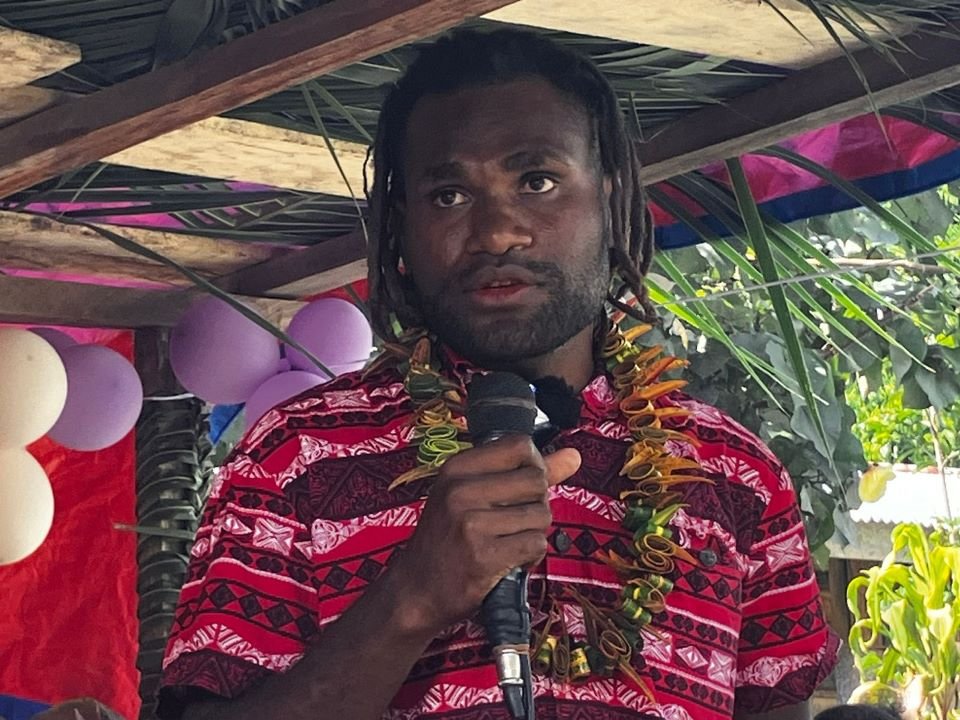
UN Women Project Officer for the National Disability Forum Solomon Islands, Watson Mali, shared the challenges he faced while delivering 13 community projects on Savo Island during a recent handover ceremony.
The 13 completed projects now stand as a testament to dedication, perseverance, and the importance of inclusive development in rural Solomon Islands.
Speaking during the event, Mali opened up about the practical and emotional difficulties encountered while working in remote and often unpredictable conditions.
“There were some real challenges,” he said. “Sometimes the weather was really bad, and it delayed us. Just reaching the communities took a lot of time and effort.”

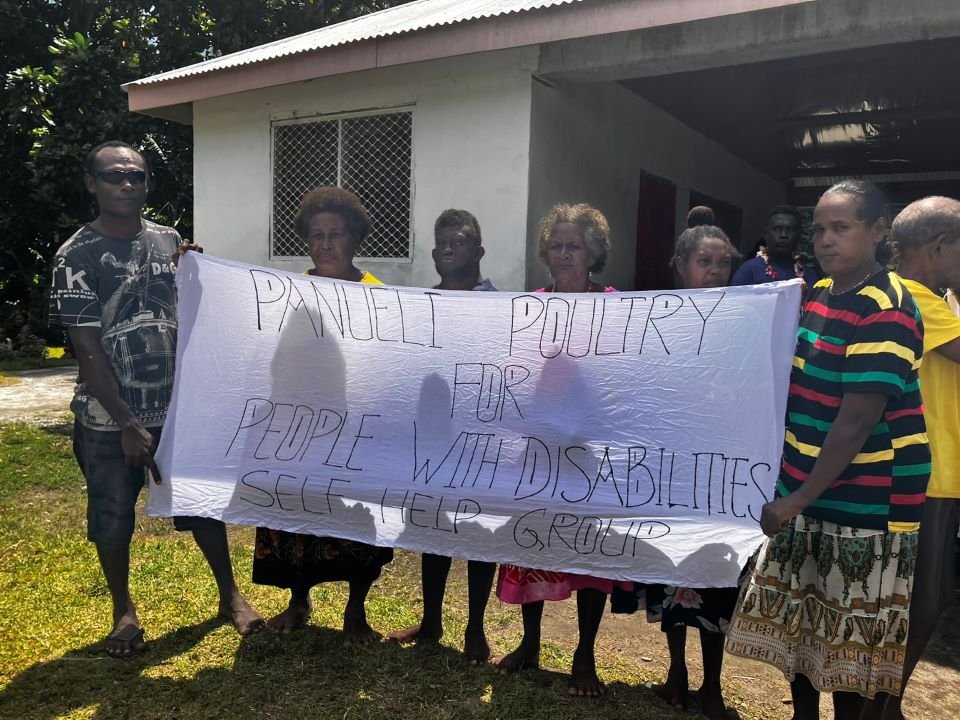
Mali said that checking in on the progress of the 13 projects across different locations on the island was not always straightforward.
“It took me more days and hours just to travel and check on the project sites,” he explained. “And sometimes even when I got there, there were new issues to deal with.”
Despite the setbacks, Mali remained committed to seeing the projects through.
“Sometimes I had to follow up with the communities to make sure the work was still going and getting updated. Even then, it’s not easy. There are other responsibilities too, and keeping to our timeline was hard,” he shared.
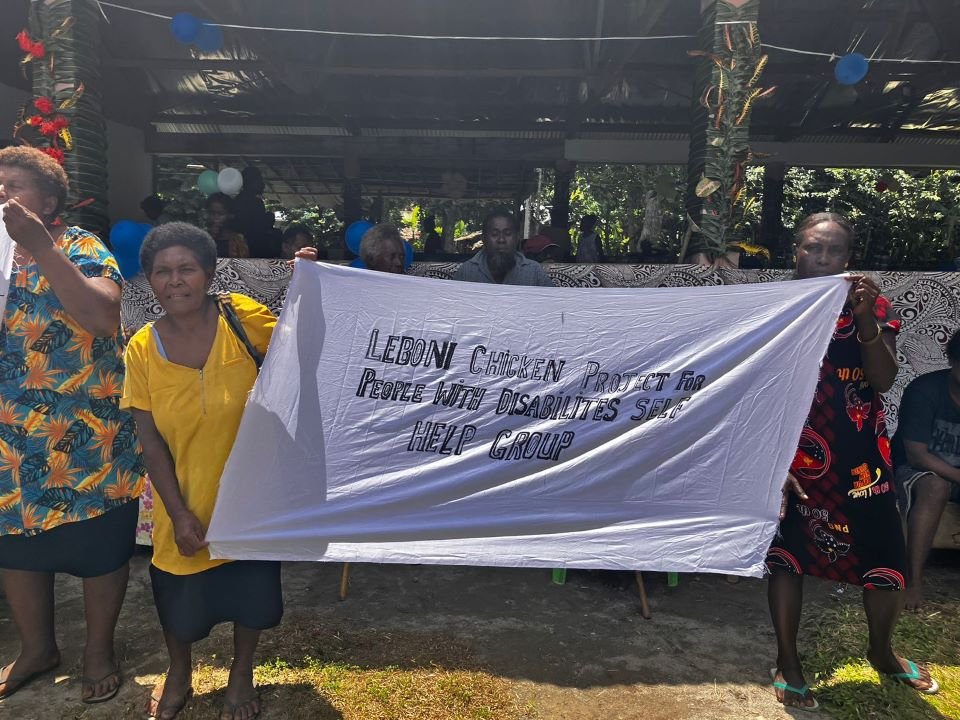
He also mentioned delays caused by coordination challenges at the official and partner levels.
“Sometimes I needed to follow up with our partners, but not knowing the right contacts or delays from their end made things slow,” Mali said. “One of the biggest challenges was the project’s low funding, which delayed a lot of the work.”
Still, Mali was determined to push forward.
“Even though I was a bit worried at times, I kept going. I didn’t know when I would return to the communities, so I had to make the most of every trip,” he said.
Eventually, Mali and his team managed to complete all 13 projects, which were then officially handed over to the communities on Savo Island.
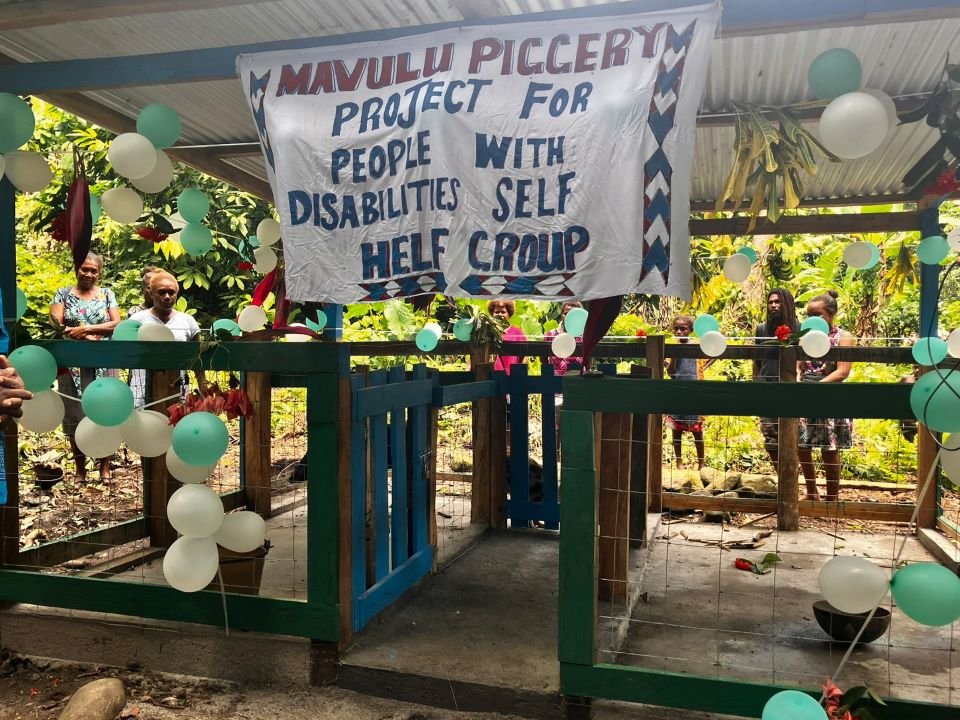
Another challenge, he noted, involved reaching people with disabilities, many of whom could not attend project-related trainings due to mobility or accessibility issues.
“Some of the people with disabilities found it difficult to attend the trainings,” he explained. “So we asked caregivers or family representatives to attend on their behalf.”
Mali stressed that the team never forced attendance, especially where it was too difficult or not suitable for the individual.
“We didn’t force them,” he said. “We just made sure someone could represent them and pass on the information.”
Meanwhile, Mali thanked all supporting partners who stood by the project despite the setbacks.
“Thanks to our partners, and despite all the challenges, we were able to complete and hand over these projects. It’s something we’re really proud of,” he said.