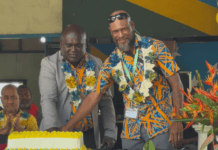






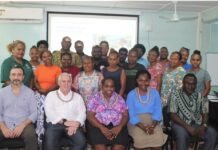
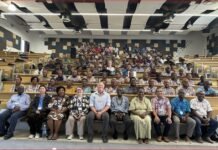


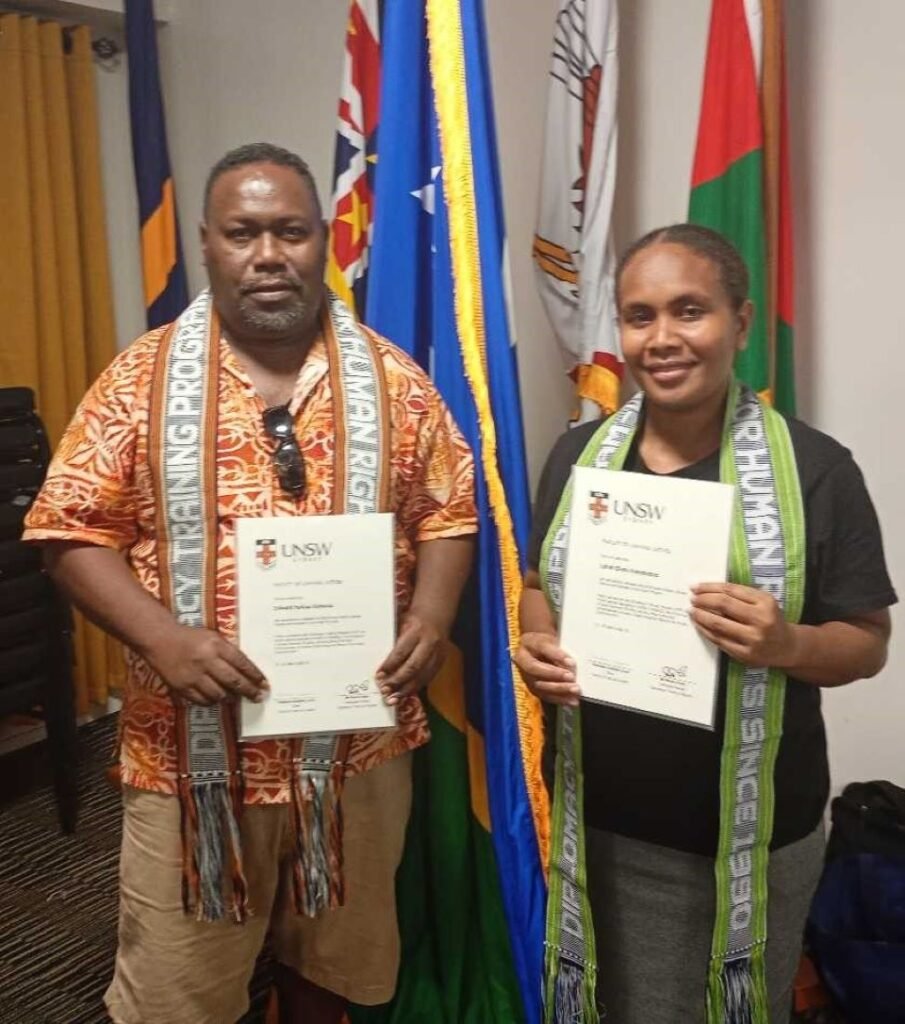
Last week in Fiji, two Solomon Islanders—Mr. Edward Haikau Huitarau, Program Manager of Solomon Islands Rangers and Mrs. Lorah Kwanairara, Senior Legal officer of Family Support Centre—wrapped up an intensive weeklong Diplomacy Training Program.
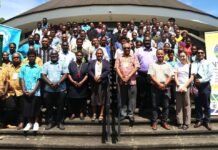
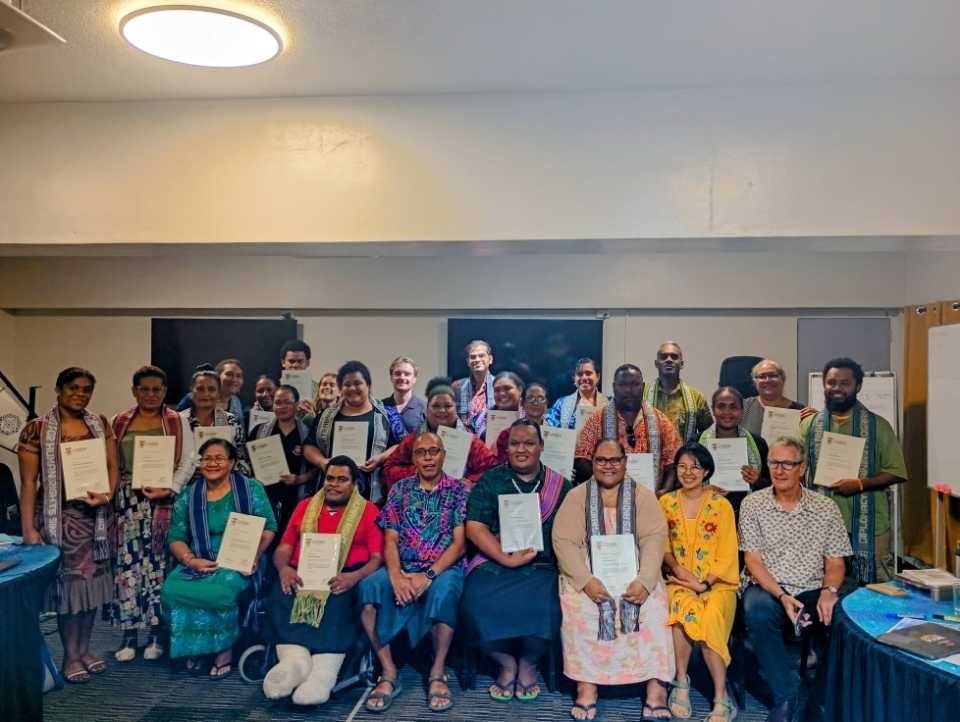
The Diplomacy Training Program (DTP) in partnership with the Pacific Islands Association of NGOs (PIANGO), the Fiji Council of Social Services (FCOSS) and the Office of the High Commissioner for Human Rights, Pacific Regional Office had successfully conducted a Pacific regional civil society capacity building program on Human Rights, Climate Change and Business in the Pacific recently held in Suva, Fiji from 23 March to 27 March 2026.
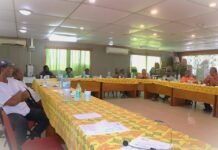
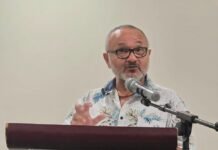
This 5-day program has build the knowledge, skills and capacities of advocates to protect and promote human rights in the context of climate change impacts in the Pacific. It also build knowledge of international human rights standards and mechanisms, as well as regional Pacific frameworks, climate change commitments and the Advisory Opinion of the International Court of Justice. This also explore how these can be applied and integrated into effective advocacy strategies. It build practical skills for engaging with governments and business. About 23 participants from ten PIC have learn from leading experts and practitioners, share knowledge with each other and build practical skills and solidarity networks. Trainers on the program include Professor Surya Deva, UN Special Rapporteur on the Right to Development.
The climate crisis is impacting all human rights across the Pacific. Community advocates are on the frontline of efforts to save their communities and their environments and to mobilise action to implement the commitments made in the Paris Agreement and the Convention on Biological Diversity. They are working to ensure that development benefits communities and is economically and environmentally sustainable. Extractive industries, including deep-sea mining, forestry and fisheries, as well as infrastructure and tourism are impacting communities, leading to environmental degradation, conflict and displacement. Women, children and persons living with disabilities are particularly vulnerable to negative impacts.
NGOs and community advocates can more effectively use global frameworks and commitments as they engage with governments and the private sector. With Paris COP 31 there are opportunities for Pacific voices to ensure that human rights inform global, national and local responses to climate change. Litigation on climate change across the world is clarifying government and business responsibilities in relation to climate change.
Knowledge of rights and skills in representation and dialogue are vital to communities and CSOs advocating for their right to participate in decisions that affect them and to engaging effectively with government and business to influence policies and projects, and their impacts. Informed participation is critical to sustainable development. Effective civil society advocacy and networking is also essential to maintaining and increasing democratic space.
This training really help bridge the significant knowledge gaps in CSOs, government and business of these new global standards on climate change, business and human rights and the SDGs and their relevance to sustainable, equitable development consistent with the cultures of the Pacific.
The Training Program content truly meet the needs of the selected participants. It includes the following:
- International human rights standards and mechanisms – including the Right to Clean, Healthy and Sustainable Environment, Right to Development and UN Special Procedures
- Updates on climate change litigation and what this means for advocacy on human rights and climate change
- How knowledge of human rights standards and mechanisms can inform and be integrated into climate change and environmental advocacy
- The UN Guiding Principles on Business and Human Rights and OECD Guidelines on Responsible Business Conduct Skills in strategic advocacy and engaging the UN mechanisms, private sector and government.
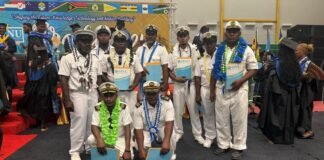
At the conclusion of the training Participants receive a certificate from the University of New South Wales (UNSW) Faculty of Law and Justice.
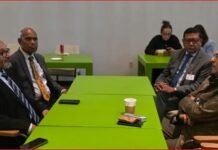
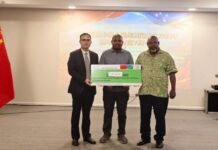
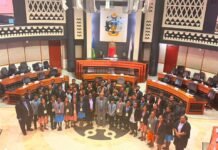
The training was very interactive. The participants were part of the roundtable marking the 40th Anniversary of the adoption of the Declaration on the ‘Right to Development’ was successfully held upon the invitation from the Office of the High Commission of Human Rights (OHCHR) – Pacific Regional Office and the UN Special Rapporteur on the ‘Right to Development’, Professor Surya Deva. The roundtable titled, ‘Right to Development and Planetary Limit: Pathways for the Pacific’ was convened Monday, 23rd March 2026 from 4:30pm to 7:00pm at the Grand Pacific Hotel in Suva, Fiji. As part of the Civil Society Capacity Building Program, for evening event on Tuesday 24th March they attended a Special Film Screening at the Fiji Museum in Suva. The featured film is titled “Pig Feast” (Pesta Babi) – Deforestation in West Papua and Indigenous Peoples. They also made a meaningful courtesy visit to the Australian High Commission in Fiji on Thursday 26th March, enhancing regional partnerships. The visit centered on dialogue regarding human rights advocacy and capacity building in the Pacific, reflecting Australia’s commitment to fostering local leadership and professional development efforts. Participants received a warm welcome from the Deputy High Commissioner of the in Fiji, highlighting the significance of the meeting. Sharing experiences and lessons between participants is actively encouraged and is one of the highlights of the program where Solomon Islands Rangers Program Manager, Edward Huitarau delivered an inspiring and informative PowerPoint presentation on the topic, “Empowering Women Rangers as Citizen Scientists”. This discussed the necessity and the opportunity presented by the involvement of women in ranger work.
Huitarau also outlined some of the significant changes that have occurred due to the inclusion of female rangers as citizen scientists. Women rangers are fostering community trust and capacity, strategies that have been recently implemented in Solomon Islands.
DTP’s trainers are experienced local, regional and international human rights practitioners, academics and officials who apply DTP’s philosophy of participatory training. Professor Surya Deva, UN Special Rapporteur on the Right to Development, is the key trainer. DTP recognises and values the experiences and skills that participants bring to its programs. Sharing experiences and lessons between participants is actively encouraged and is one of the highlights of the program.
Edward Haikau Huitarau, told the Environment Media Solomon Islands that, “The DTP Training in Suva highlighted that in the Solomon Islands, conservation is human rights action. I learned that for our efforts to be sustainable, we must move from a ‘top-down’ approach to a Human Rights-Based Approach (HRBA). This means ensuring our projects in the Solomon Islands for example, mangrove protection, sustainable fisheries are co-designed with communities, strengthen women’s leadership and hold businesses accountable for environmental impacts. The training gave me practical tools to map how we can better integrate local voices, traditional knowledge and rights-based language into our conservation strategies, ensuring they align with Pacific-led efforts on climate justice.”
Lorah Kwanairara who also attended the training, said that; “DTP was one of the best training I attended so far. I now understand the link between Human Rights, Climate Change and Business. Importantly, it will help me in my line of work in assisting victims of Gender Based Violence-Domestic Violence who are also experiencing climate related issues in their daily lives”.