























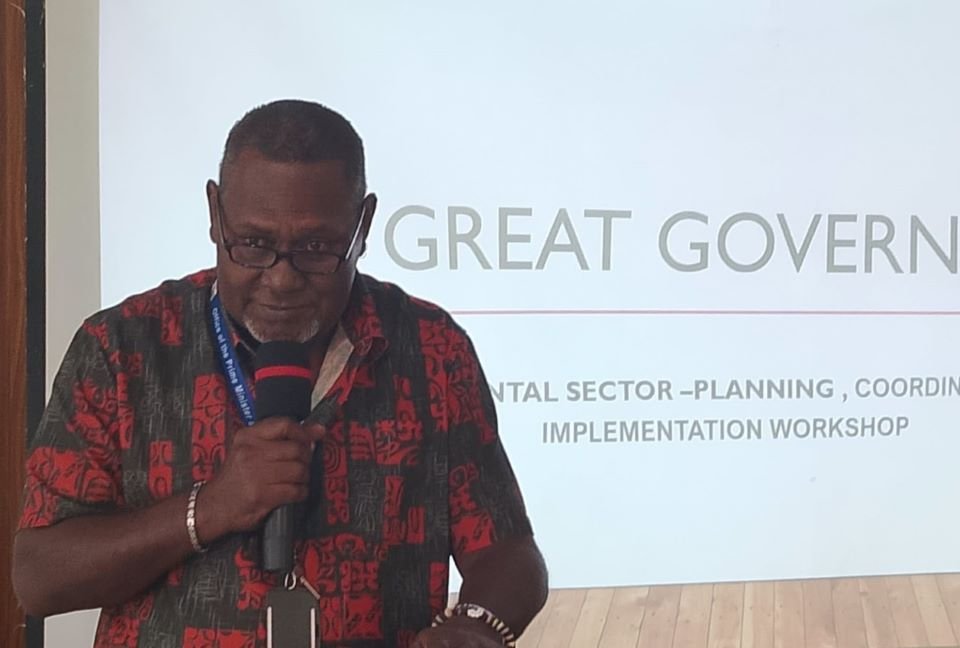
Honiara, 30 July 2026: The Government’s Fundamental Sector Ministries have today begun consultations to align ministry priorities with the Great Coalition agenda, focusing on policy, legislative reform, and strategic infrastructure.
Speaking at the opening of the consultation meeting this morning, Deputy Special Secretary to the Prime Minister, Mr Barnabas Henson, said coordination was critical to turning Government policy into delivery.
“Between policy and delivery lies coordination — and coordination can only be achieved through the deliberate, sustained effort to align ministries and institutions to a common purpose,” Mr Henson told participants.
He said the Prime Minister’s recently launched GREAT Coalition Statement of Policies sets the Government’s strategic direction, with the Medium-Term Development Plan as the vehicle for delivery.
Mr Henson reminded the sector of the four pillars guiding Government work, including:
• Strong institutions that earn and sustain public confidence,
• A productive economy that creates real opportunity for Solomon Islanders,
• Wise stewardship of natural wealth for future generations,
• Investment in our people, described by the Prime Minister as “the greatest asset this nation possesses”,
“Free education now stands at the very centre of that commitment to our people,” he said. “The Government is pursuing it not because it is easy, but because it reflects the kind of nation we choose to be.”
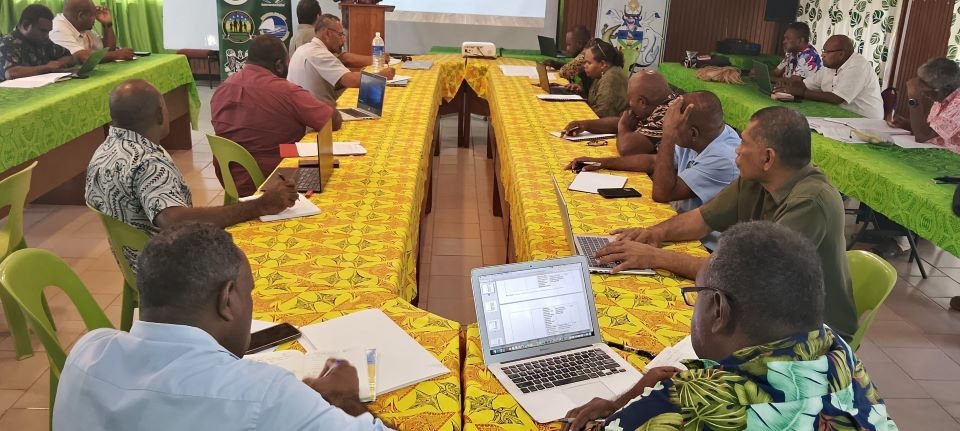
The workshop focuses on three strategic areas, including:
• Policy Alignment
Ensuring each institution’s policies and programmes move in step with the Government’s broader agenda and fit within the Medium-Term Development Plan.
• Strategic Legislative Reform
Consolidating priority reforms from across the sector so the Government’s Legislative Programme reflects the true needs of the Fundamental Sector.
• Strategic Infrastructure
Identifying the critical roads, facilities and systems needed to give policy and legislation practical effect.
“A policy without the legislation to support it will fail. Legislation without the infrastructure to give it effect cannot be delivered,” Mr Henson said.
“It is precisely because these are so interconnected that we have brought the whole sector together, rather than addressing each ministry in isolation.”

He urged participants to engage openly on both priorities and delivery challenges.
By the end of the workshop, the Government expects to have the foundations of a coordinated Fundamental Sector Implementation Framework, with clear, agreed priorities in policy, legislation and infrastructure, and mechanisms for monitoring through budgeting and performance reporting.
“What we shape together in the hours ahead must not remain within these walls, but will inform how we move forward,” Mr Henson said.
The Fundamental Sector Ministries include the Office of the Prime Minister & Cabinet and its Integrity Institution Agencies, Ministry of Finance and Treasury, Ministry of Justice and Legal Affairs, Ministry of National Planning and Development Coordination, Ministry of Foreign Affairs and External Trade, Ministry of Public Service, Ministry of Traditional Governance, Peace and Ecclesiastical Affairs and the Ministry of Home Affairs.