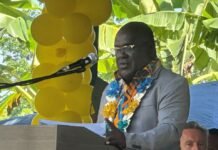
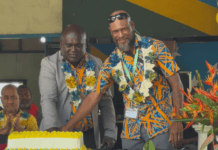

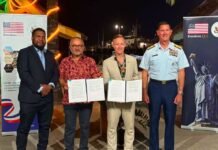








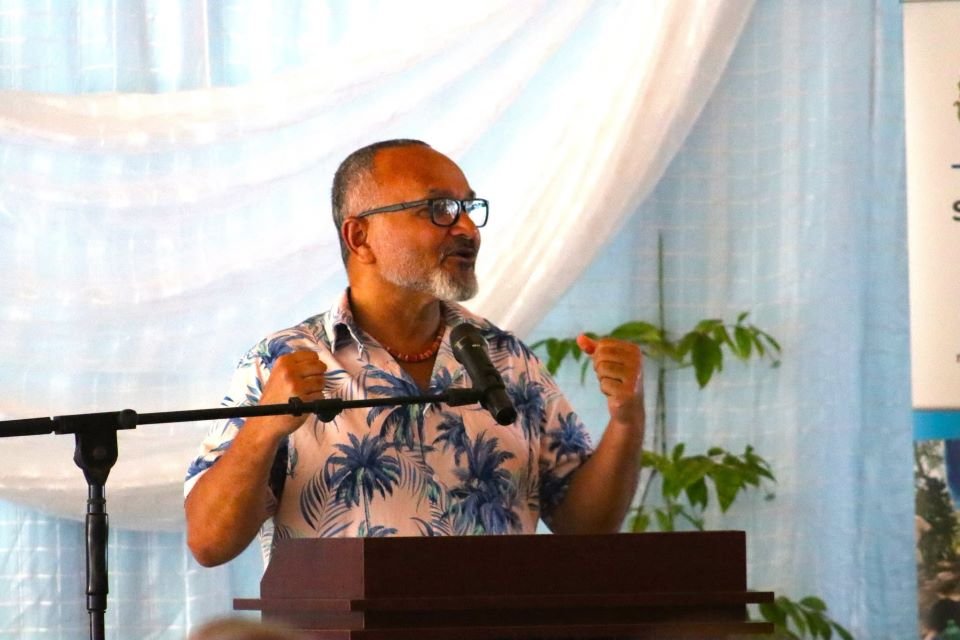
Honiara, 20 August 2026 – The Government of Solomon Islands today launched the Solomon Islands National Roadmap for Malaria Elimination 2026-2040, setting out a bold national pathway to eliminate malaria by 2038. The roadmap was launched by Prime Minister Matthew Wale in conjunction with World Mosquito Day 2026, underscoring malaria elimination as a national development priority that requires sustained leadership across government, communities and partners.
Spearheaded by the Office of the Prime Minister, Ministry of Health and Medical Services, and the National Malaria Elimination Taskforce, with support from the Asia Pacific Leaders Malaria Alliance (APLMA), the roadmap embodies Solomon Islands’ whole-of-government and whole-of-society resolve to end malaria transmission. It provides a shared framework to align political leadership, technical delivery, community action and partner support around a common elimination goal.
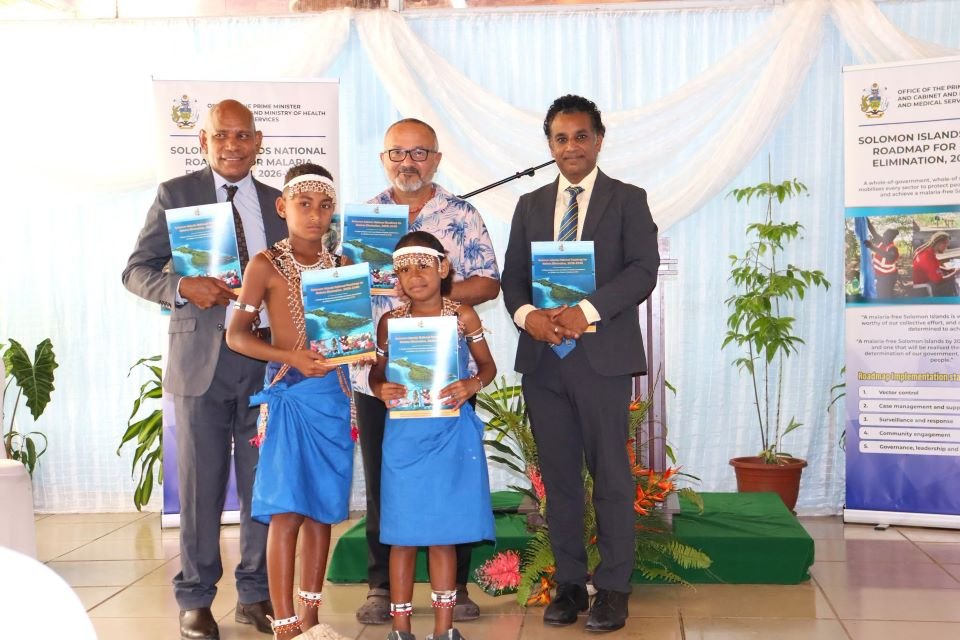
Marking this critical step forward, Prime Minister Wale called for action, leadership and commitment at every level:
“Today’s launch is a defining step towards a malaria-free Solomon Islands. This Roadmap reflects our shared commitment and shows that elimination by 2038, and WHO certification by 2040, is within reach. Now, we must turn commitment into action – so every community, every family, and every child can share in a malaria-free future. Together, we can make malaria elimination a legacy for generations to come.”
The roadmap introduces four strategic shifts to strengthen national accountability and accelerate progress. These include changing malaria surveillance reporting from health zones to constituency and ward boundaries, making progress more visible to political leaders and communities; embedding cross-ministerial collaboration into planning and resourcing; giving malaria notifiable disease status to strengthen reporting and accountability; and investing in the workforce to implement programs.
Minister for Health and Medical Services, Hon. Morris Toiraena noted, the Ministry of Health will work to ensure that malaria financing is clearly reflected in the ministry’s recurrent and development budgets and that provinces have the resources they need to deliver effective services.
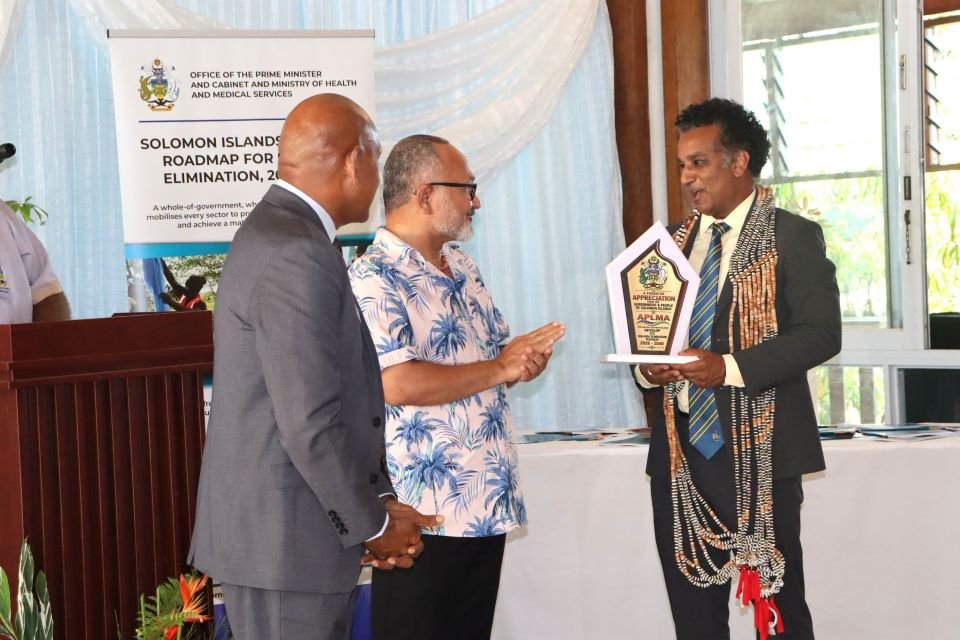
“As co-chair of the National Malaria Elimination Taskforce, the Ministry of Health and Medical Services commits to providing regular updates on implementation to the Taskforce and to Cabinet. This will ensure that malaria elimination remains visible at the highest levels of government and that we remain accountable as we move from planning to action.”
As a regional advocacy and political engagement partner, APLMA supported the development of the roadmap and will continue working with Solomon Islands to maintain high-level political momentum. By supporting roadmap progress tracking, regional coordination and whole-of-government engagement, APLMA will assist to ensure that implementation remains visible, accountable and aligned with the country’s elimination ambitions.
For Dr. Sarthak Das, Chief Executive Officer of APLMA, the roadmap further offers an opportunity to turn national ambition into evidence of progress:
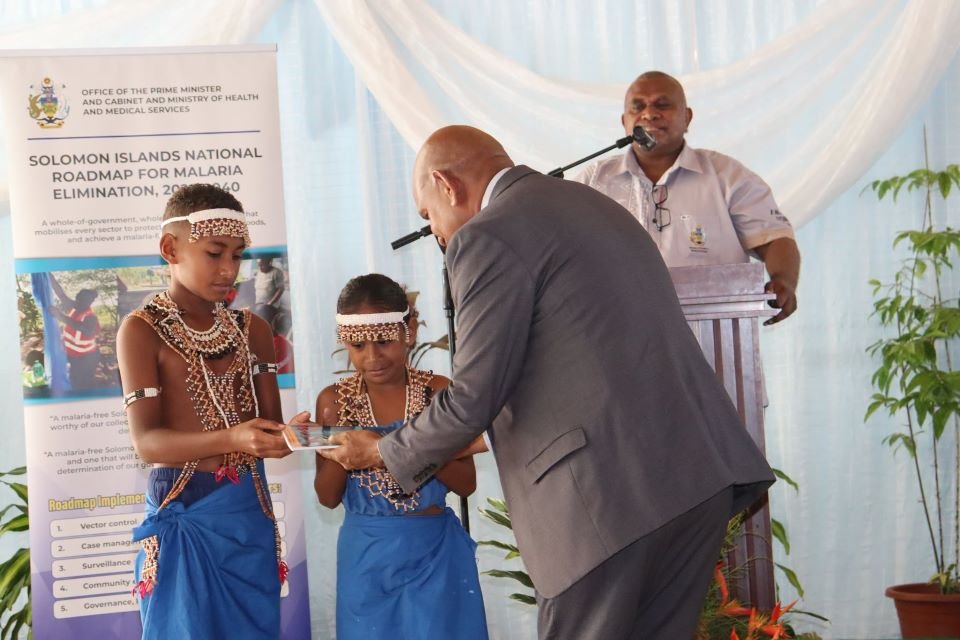
“The path to malaria elimination rests on the foundation of a three-legged stool – operational excellence, proper financing are two of these. Political will is the third. The Solomon Islands National Roadmap for Malaria Elimination 2026–2040 provides a thoughtful, rigorous, and practical plan for the first two legs. With His
Prime Minister Wale’s launch of the roadmap today, the necessary political will is now in place. From here, national action complemented by concrete evidence of demonstrating initial success at the subnational level will be critical to continue momentum. APLMA remains committed to supporting Solomon Islands as it moves from roadmap to implementation. This group of Islands in the Pacific, with the highest annual parasitic incidence in the Asia Pacific, have taken a powerful step forward today to ensure future generations will can live malaria free.”
Launched on World Mosquito Day, the roadmap signals a renewed national commitment to end malaria through coordinated action, sustained investment and community ownership. With clear targets, stronger accountability and shared leadership, Solomon Islands is charting a practical path towards a malaria-free future by 2038.