



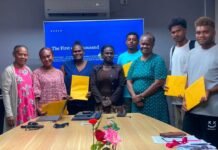



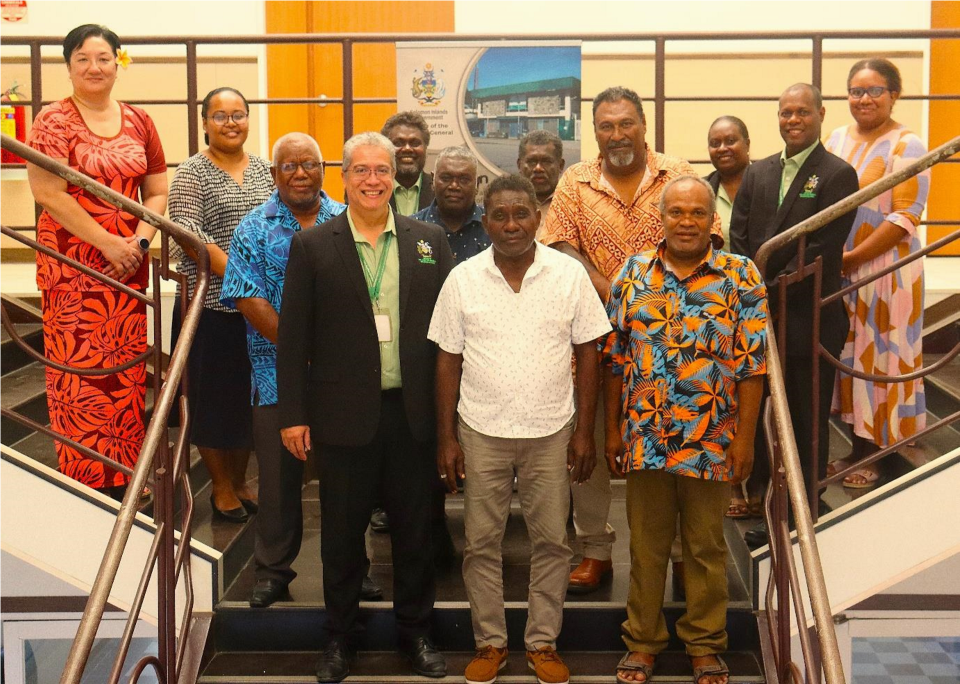
The Office of the Auditor General, has launched consultations into the Auditor General
Bill 2026 with members of the Public Accounts Committee (PAC) at the National Parliament, Paul Tovua Complex, on Tuesday this week. The consultation seeks input on the draft legislation and covers the scope of activities the office can cover to hold the public sector to account, it’s independence, structure and autonomy among others.
The bill ensures that the Office of the Auditor General (OAG) is fully independent, and well-resourced to audit and report on public finances and the performance of the public sector and holding the government to account. It emphasizes the OAG’s independence and annual reporting requirements to the National Parliament, with the aim of promoting probity and integrity in public affairs and lessening corruption.
Key aspects of the proposed reform include types of audits the OAG can perform, powers to access information, reporting and following up on recommendations, strengthening the National Audit Office, and adequate and independent funding.
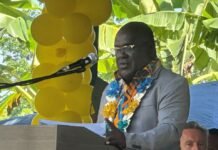
Speaking at the launch of the consultations, Chairman of PAC and Parliament Member for Central Honiara Constituency, the Hon. Gordon Darcy Lilo welcomed the proposed Bill, saying it is timely and will strengthen the work of the OAG.
“This Bill is long overdue and I thank the Auditor General for taking this up. The bill will strengthen accountability processes and the spirit of accountability in Solomon Islands. For the past 40 years, the OAG has been neglected, under resourced and compromised by the executive and so this bill ensures that these will be happenings of the past,” said PAC Chairman the Hon Lilo.
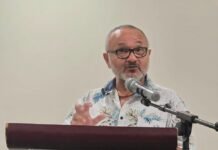
Presenting the Bill, Auditor General, Mr. David Dennis says the laws under which the work of the OAG is carried out is outdated, by more than 20 years, thus the need for a new bill.
“We currently audit a wide range of public sector organisations, such as Ministries, provincial governments, and the Honiara City Council, including statutory organisations, constitutional offices, special funds, publicly owned companies, stateowned enterprises, and other entities that are controlled by or receive public funds. “However, legislation governing the Audit Office is outdated, thus the need for a new Bill that ensures we do our work effectively and independently. Through the consultations, we hope to hear from our stakeholders and the public, about their views on the proposed bill, which is an important requirement for the Bill to be passed in parliament.
Over the next weeks and months, we will be rolling out consultations with our stakeholders, ranging from the national government down to the people in provincial centres and rural areas. Written submissions can be submitted at our office at Mud Alley or can be emailed to admin@oag.gov.sb. A community portal on our website will soon be available for submissions as well, we will advise when it is ready” said Auditor General Dennis.
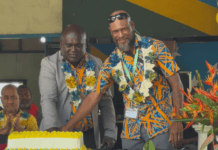
Meanwhile the Pacific Association of Supreme Audit Institutions, (PASAI), to which the OAG is a member of, was also present at the launch of the consultations. The organisation promotes transparent, accountable, effective and efficient use of public sector resources in the Pacific and assists members to improve the quality of public sector auditing in the Pacific to recognised high standards.
PASAI CEO Mrs Esther Lameko-Poutoa emphasised the importance of having an independent Supreme Audit Institution (SAI).
“Audit independence is vital in providing independent information to the Legislature to conduct effective oversight, it provides assurance to the public and creates a culture of accountability and transparency in the public sector. The proposed Auditor General’s Bill 2026 is aligned to PASAI’ s strategic priorities, which includes ‘advocating for SAI independence and well-functioning public financial management systems. We are happy and committed to support and work closely with the OAG through the legislation review process’ said PASAI CEO Mrs Lameko-Poutoa.
Consultations will continue to be rolled out over the next few days and weeks, including the Office of the Prime Minister, all Government Ministries and government agencies, Integrity Institutions, the Honiara City Council, Provincial Governments and the general public.