














BY JOY OFASIA
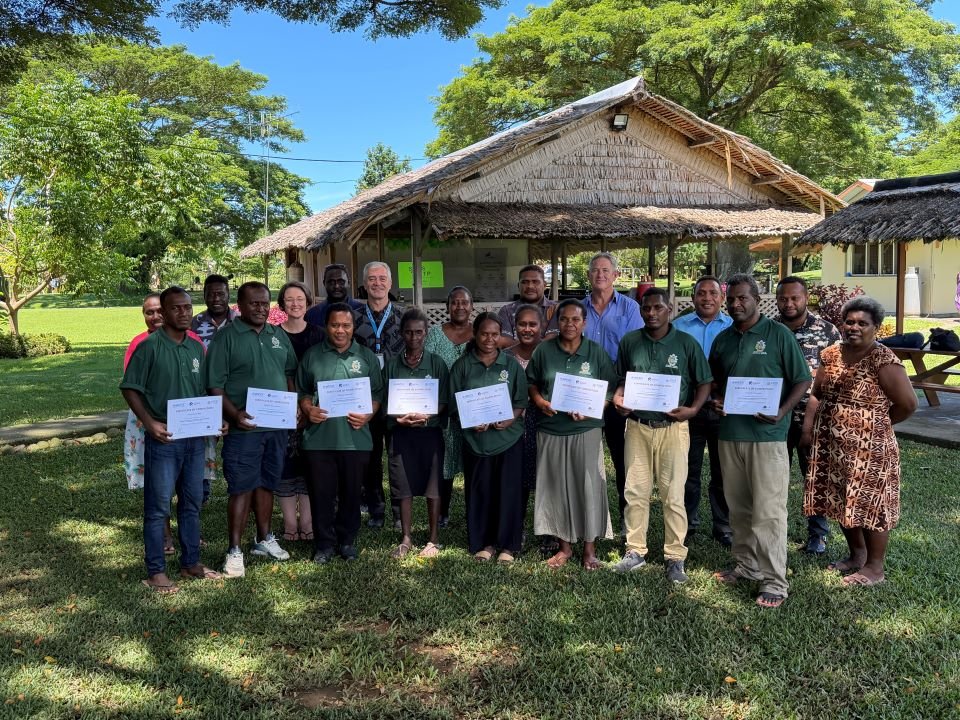
The third graduation ceremony of the Field Epidemiology Training Program was held today at the SWIM Conference Centre in Honiara, bringing together nurses and public health officers who have completed months of study and fieldwork.
Speaking at the event, Acting Director of Nursing Japhet Honimae said the day was more than a ceremony. “Today is a celebration of commitment, resilience, and purpose,” he said.
He told graduates that they had chosen a path beyond routine care, one that serves communities in times of need.
Mr Honimae said nursing is moving into specialization, and the new skills gained place graduates on the frontline of detecting health threats and responding with care and skill.
The third cohort began training in April 2025 and completed the program this month.
He said the long term goal is to build a strong group of field epidemiologists across the Solomon Islands. “We hope you will support strong surveillance systems that guide health planning and decision making,” he said.
He thanked donor partner DFAT for funding the training. “Without your support, this program would not have come this far,” he said.
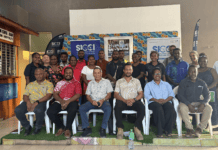
He also praised the eight graduates from different provinces. “You have come from far and near. Your success reflects long hours of study, fieldwork, and sacrifice,” he said.
The graduation marks a step forward in strengthening local health security.
The graduates, now described as health detectives, are equipped with ten months of hands on training to detect and respond to disease outbreaks.
The ceremony was attended by staff from the Ministry of Health and Medical Services, along with representatives from DFAT and the World Health Organization, who joined in celebrating the achievements of the new graduates.
For many of the graduates, the journey was not easy, balancing work, family, and study responsibilities.
Some traveled long distances to attend training, while others worked in remote clinics before returning to class.
Their stories show determination and a shared desire to protect their communities.
As they step forward, they carry new knowledge, confidence, and responsibility to serve the nation in times of health challenges ahead and to inspire future health workers everywhere.