











BY LESLEY FOINAGWA
UNICEF Nutrition Officer Ms. Salome Aroma Namohunu has highlighted the importance of reliable electricity in strengthening healthcare services for mothers, children and families in rural communities.
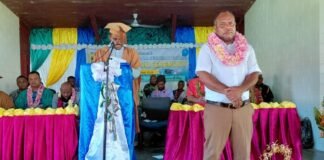
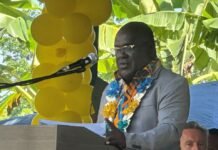
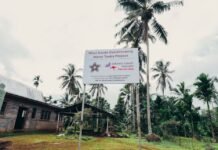
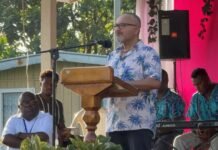
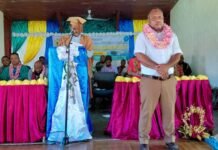
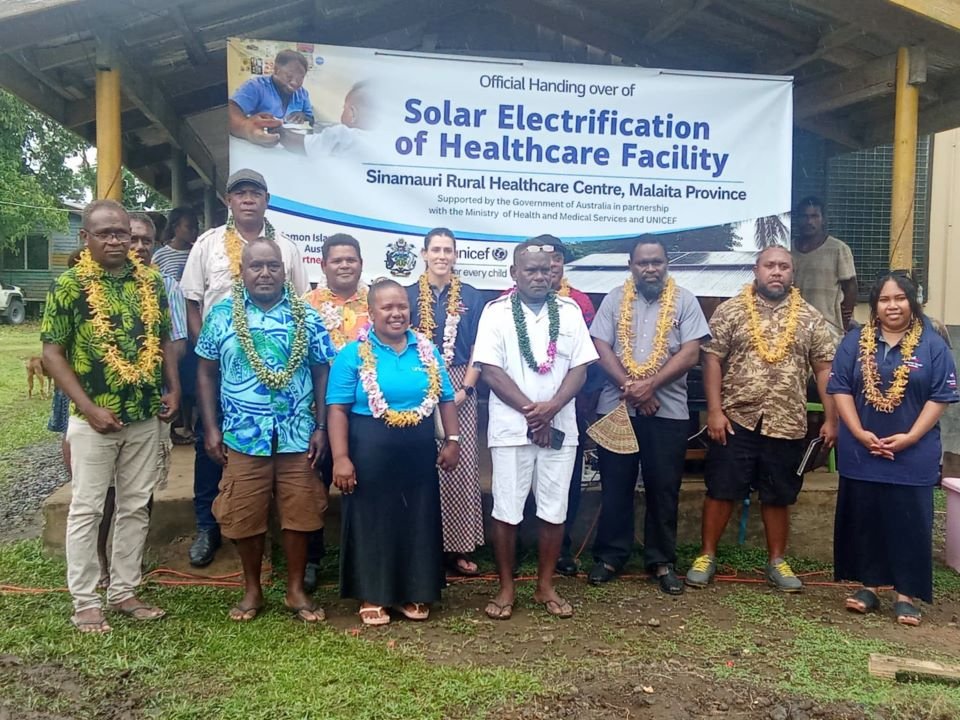
Ms. Namohunu made the remarks during the official handover of a solar power system at Sinamauri Rural Healthcare Centre in in West Kwaio, Malaita Province on 31 August 2026.
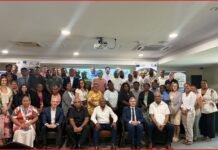
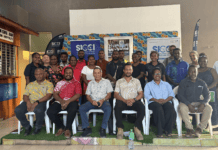
She acknowledged the presence of Malaita Provincial Premier Elijah Asilaua, Bridgette Cottrill, Second Secretary Development Finance and Operations at the Australian High Commission, West Kwaio Constituency Development Officer Bobby Siarani, Ward 28 Member of the Malaita Provincial Assembly John Daubo, Malaita Provincial Health Director Dr David Danitofea, Sinamauri clinic chair and committee members, community leaders, health workers, youth and children.
Ms. Namohunu said UNICEF was pleased to be part of the handover and thanked the Ministry of Health and Medical Services, the Australian Government through the Department of Foreign Affairs and Trade (DFAT), Malaita Provincial Government, Malaita Provincial Health Services, health workers and other partners for making the project possible.
She said the project was about more than installing solar panels, as reliable electricity was essential for providing quality healthcare at rural facilities.

“Reliable power means our mothers can give birth safely at night,” Ms. Namohunu said, adding that electricity was also important for storing medicines and operating medical equipment.
She said the improved power supply would help health workers provide better services and support the health and wellbeing of families and communities.
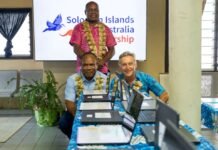
According to Ms. Namohunu, seven health facilities across Malaita Province are benefiting from the same solar power support through the partnership between the Australian Government and the Ministry of Health and Medical Services.
The investment, funded by the Australian Government, is valued at approximately SBD 1.89 million and is expected to benefit thousands of people in the years ahead.
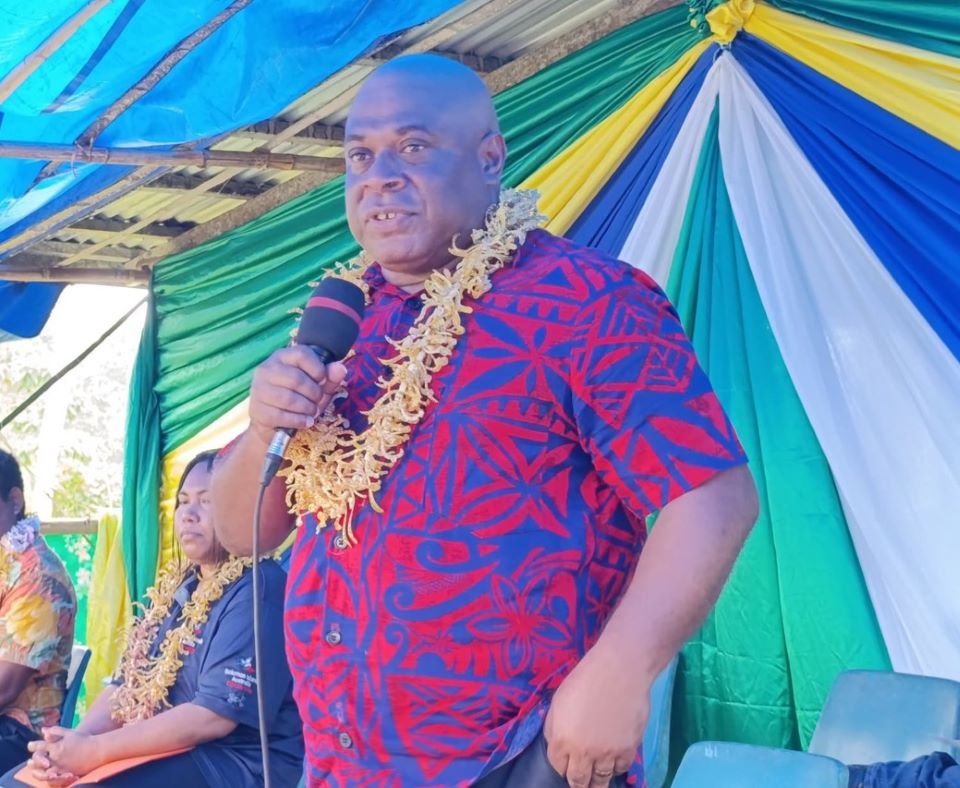
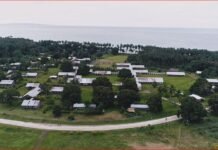
She said the Sinamauri Rural Healthcare Centre serves an estimated 6,000 people from Sinamauri and surrounding communities.
The solar system will support maternal and child healthcare services as well as other essential services provided by the clinic.
Ms. Namohunu also acknowledged the continued leadership and commitment of the Ministry of Health and Medical Services, Malaita Provincial Health team and the Australian Government in improving healthcare services in Solomon Islands.
She said UNICEF viewed investment in primary healthcare as an investment in children and families.
“Reliable energy helps our children, supports mothers to receive better healthcare and gives communities greater confidence in their local health facilities,” she said.

Ms. Namohunu also stressed the importance of local ownership, saying the long-term success of the solar system would depend on communities, health workers, authorities and relevant government ministries working together to care for and maintain the facility.
She commended health workers across Malaita for their dedication and commitment despite the challenges they face in delivering healthcare services to mothers, children and communities.
She said the handover represented partnership, innovation and progress towards stronger and more reliable healthcare services in rural communities.
Ms. Namohunu reaffirmed UNICEF’s commitment to continuing its partnership with the Solomon Islands Government and other stakeholders to strengthen primary healthcare and improve the wellbeing of children, mothers and families across the country.