










BY SHOREYANN RAGOSO
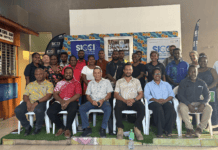
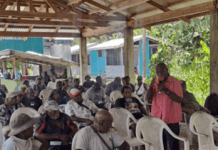
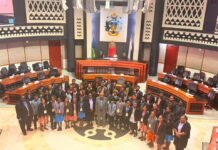
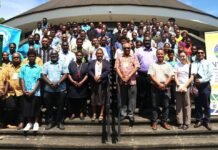
High school students in Honiara joined central bankers, government leaders, researchers and development partners yesterday to learn how global economic challenges affect the lives of ordinary Solomon Islanders.
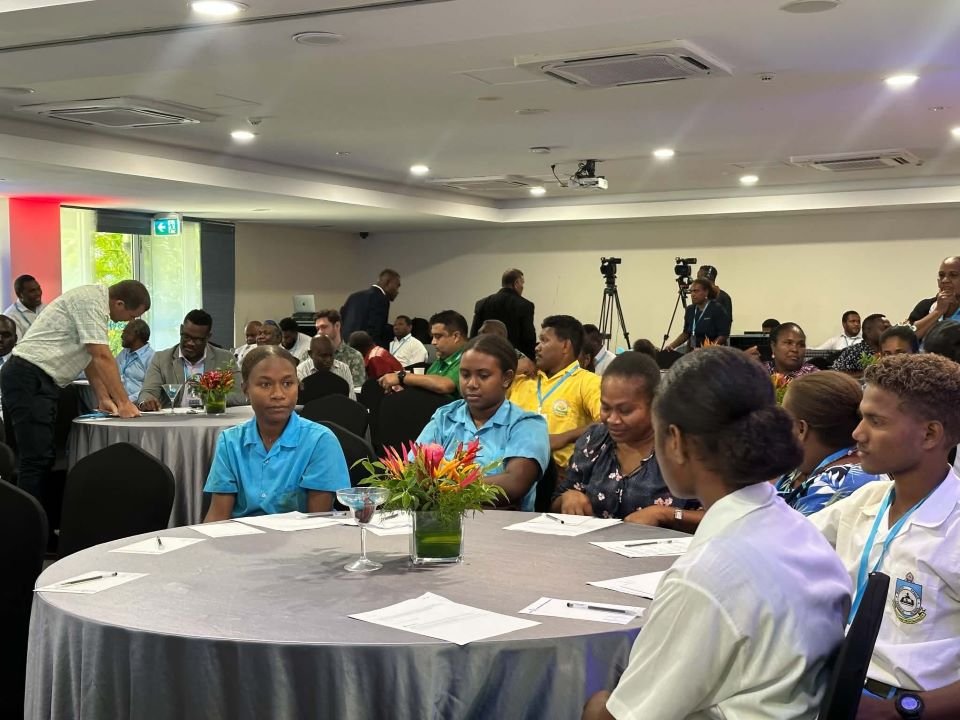
The students took part in the Third Central Bank of Solomon Islands (CBSI), Asian Development Bank (ADB) and Asia-Pacific Applied Economics Association (APAEA) Joint Annual International Research Conference held at the Heritage Park Hotel on Tuesday, 27 October 2026.
The conference focused on the theme, “Navigating Global Economic Shocks, Monetary Policy, Exchange Rate Dynamics, and Macroeconomic Stability in Small Open Economies.”
While the discussions covered complex economic issues, the message was simple: decisions made today can affect the prices families pay, the jobs people depend on and the future opportunities available to young people.
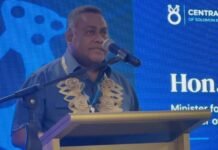
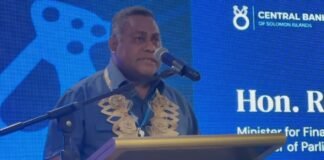
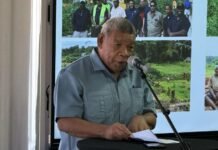
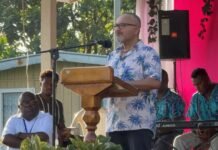
Delivering the keynote address, Finance Minister Hon. Rexon Ramofafia urged the country to prepare early and work together to protect the economy from global shocks, climate disasters and growing uncertainty.
He said the global economy was facing greater uncertainty than last year because of geopolitical tensions and climate-related events.
“For Solomon Islands, these developments are not distant events,” he said. “They affect the prices we pay for fuel and imports, influence domestic production, and shape the broader environment in which our businesses and households operate.”
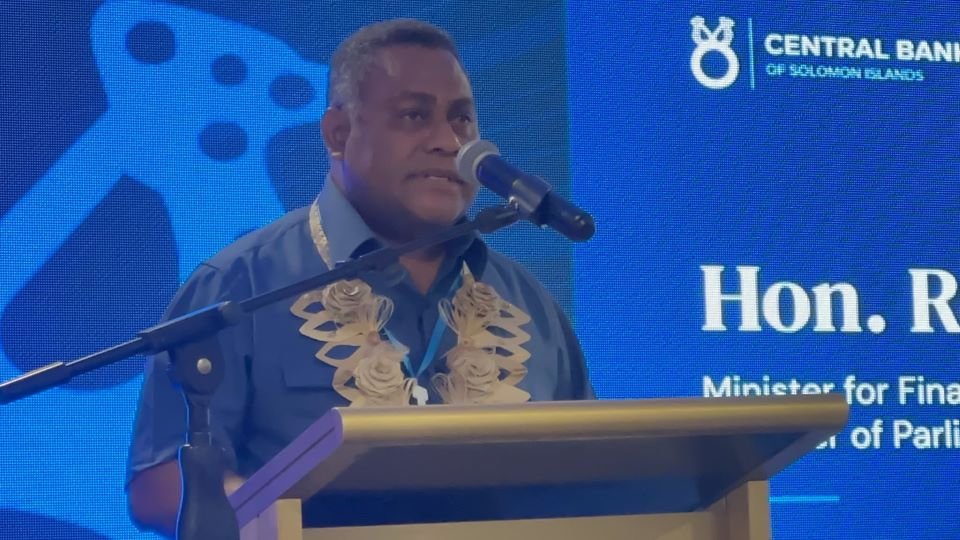
For many families, these challenges are felt when they buy food, pay for transport or manage their household budgets. When fuel and imported goods become more expensive, the pressure can reach almost every corner of daily life.
The minister also pointed to the recent Category Five Tropical Cyclone, which devastated parts of Western Province and Choiseul, as a reminder of the country’s vulnerability to natural disasters.
He warned that El Niño could also affect agriculture, food security, fisheries and economic activity across the country.
These challenges, he said, make it important for the government, the central bank and communities to work together to build a stronger economy.
The conference explored how small economies such as Solomon Islands can manage inflation, exchange rates and trade while responding to changes in the global economy.
Research presented at the event examined exchange rates, trade competitiveness, financial inclusion and how international economic shocks affect developing countries.
Minister Ramofafia said the research could help the government and CBSI make better decisions for the country.
He referred to a CBSI study showing that a weaker exchange rate could improve the trade balance, but the effect was modest and took time.
He said Solomon Islands must also improve market access, infrastructure, tourism and the production of higher-value goods to strengthen the economy.
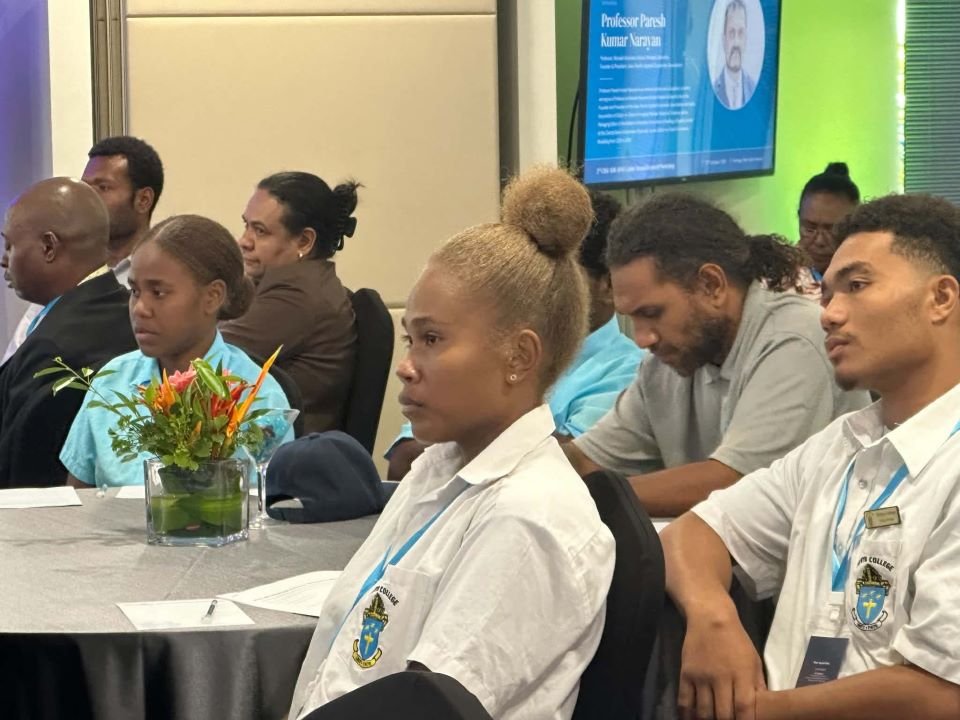
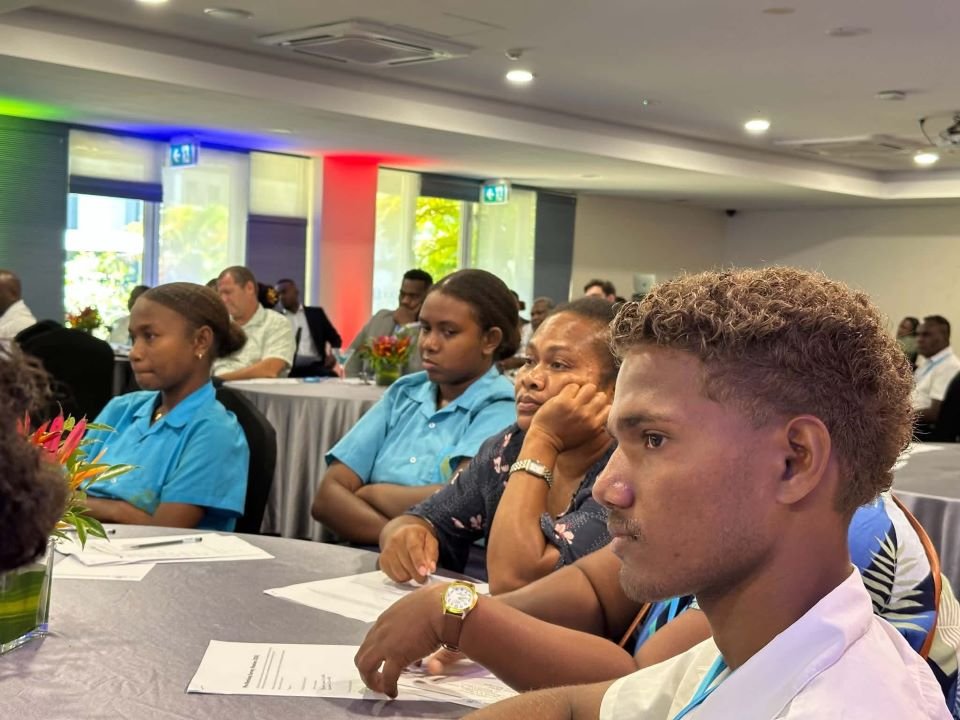
For students attending the conference, the event offered an opportunity to hear directly from experts and understand how economic decisions influence their families and communities.
Their participation also highlighted the importance of helping young people understand the challenges facing the country and the role they may play in its future development.
CBSI plays an important role in managing monetary policy, advising the government on banking matters and regulating the banking sector. Its work includes maintaining price stability and ensuring the country has adequate foreign reserves.
As the conference brought experts together to share research and ideas, its central message was clear: Solomon Islands cannot prevent every global shock, but it can take steps to become better prepared.
For families facing rising costs and communities recovering from disasters, stronger economic planning could help protect livelihoods and create a more secure future for the next generation.