












Australia is supporting skills training and development by strengthening workforce readiness and improving technical and vocational education and training (TVET).
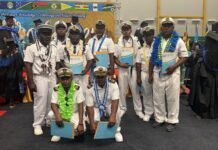
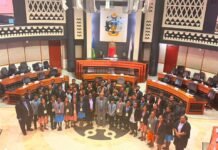
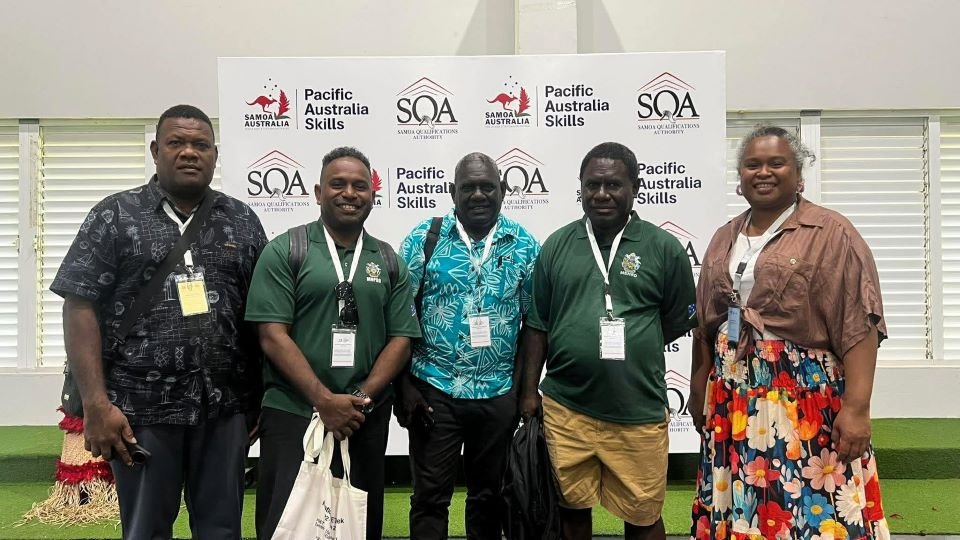
Under Pacific Australia Skills, Solomon Islanders were supported to participate as observers at the Samoa National Skills Competition in June and the Timor-Leste 2nd International Friendly Skills Competition in July.
Solomon Islands Government officials, TVET practitioners and education stakeholders had the opportunity to observe regional best practices, share experiences, and explore approaches to strengthening skills systems that are responsive to industry needs and labour market demands.
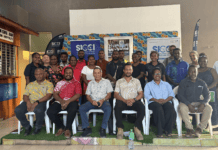
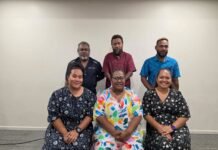
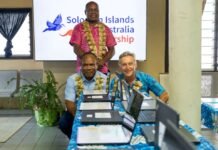
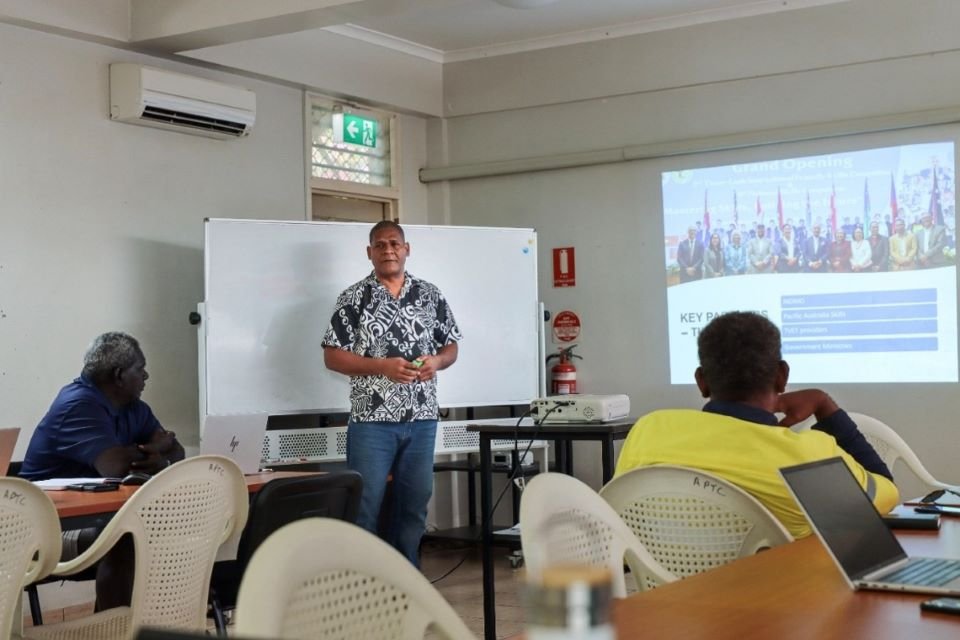
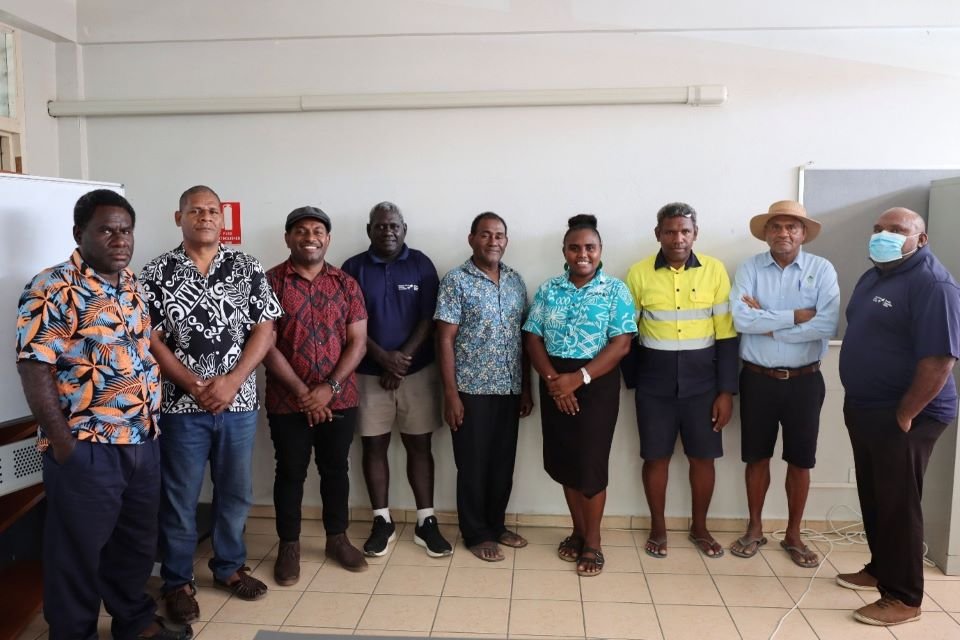
Following the competitions, Australia hosted a knowledge-sharing session bringing together TVET leaders, educators and development partners to reflect on lessons learned and consider how regional experiences can inform ongoing efforts to strengthen skills training in Solomon Islands.
The activity reflects the shared commitment of Solomon Islands and Australia to building a more inclusive, industry-relevant and responsive skills system that creates practical pathways to employment and supports national development priorities.
“These skills competitions help strengthen training quality, build confidence among educators and institutions, and ensure graduates are equipped with skills that meet industry needs.”
Representing the Solomon Islands Tertiary Education and Skills Authority (SITESA), Goldie John Lusi, said his experience in Samoa provided valuable insights into strengthening training delivery and assessment practices.
“What we observed in Samoa highlighted the value of strong partnerships between government, training providers and industry,” Mr Lusi said.
“Aligning training with industry standards and investing in trainer capability will help improve the quality and relevance of TVET in Solomon Islands.”
Patrick Nokali of Solomon Islands National University (SINU) said his experience in Timor-Leste reinforced the importance of practical skills development and collaboration across the sector.
“Observing an international-level competition strengthened our understanding of how skills development contributes to national growth,” Mr Nokali said.
“It also reinforced the importance of working together to raise standards and prepare students for real work environments.”
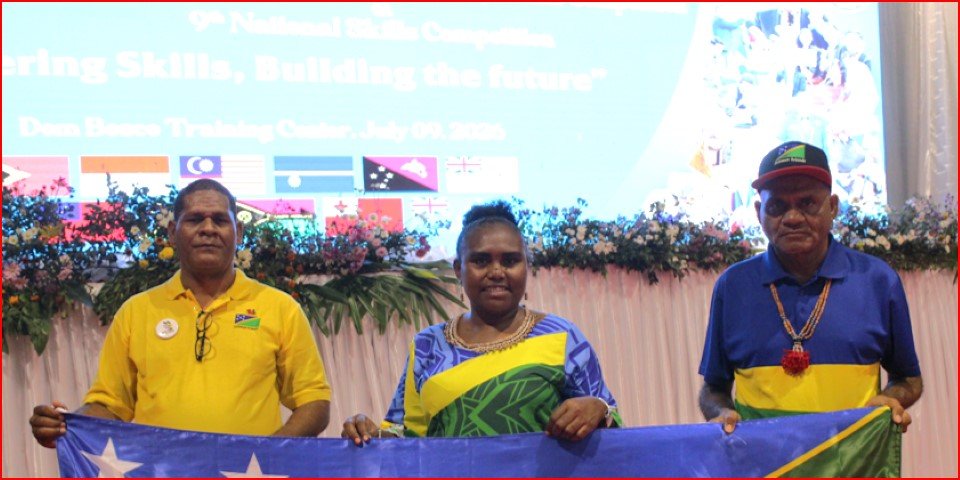
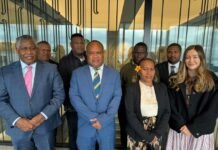
Australia’s High Commissioner to Solomon Islands, Jeff Roach, said regional collaboration plays an important role in strengthening skills systems and workforce development across the Pacific and Timor-Leste.
“Australia is resolutely committed to partnering with Solomon Islands on education and skills, strengthening its sector as the vital ingredient to a prosperous Solomon Islands.,” High Commissioner Roach said.
Participants identified several priorities for strengthening TVET delivery in Solomon Islands, including expanding competency-based training, deepening industry partnerships, enhancing assessment and quality assurance systems, investing in developing trainers, and improving access to modern training facilities and equipment.
Discussions also highlighted the importance of stronger coordination among government agencies, training providers, industry partners and development organisations to support employment-focused skills development opportunities for young people.