




























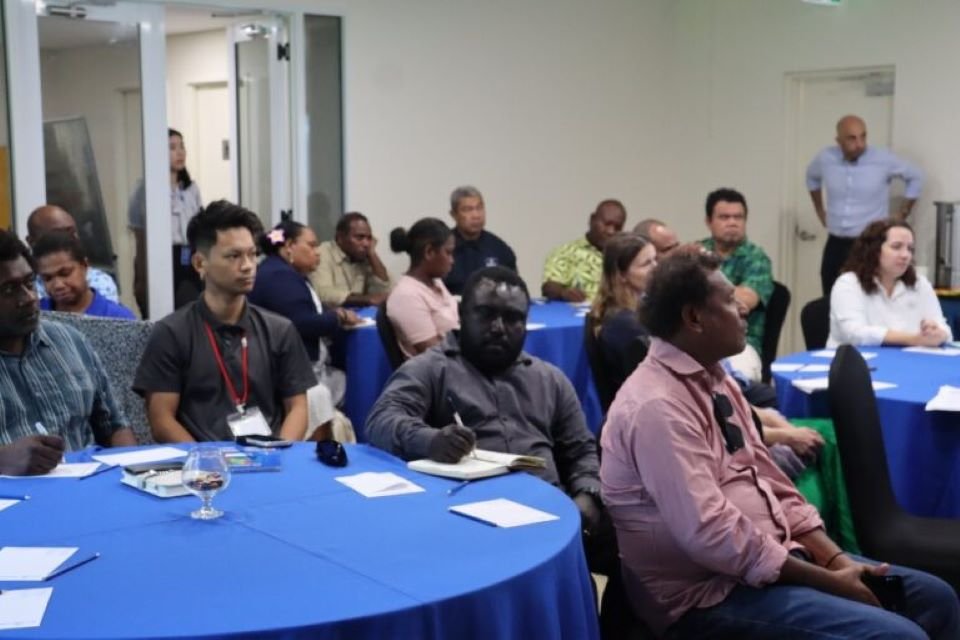
HONIARA, Solomon Islands — Coastal communities in Solomon Islands are facing growing health and environmental risks as decaying World War II bombs release toxic chemicals into land and sea, new research has found.
The Environmental Impact Assessment is the first investigation in the Pacific to examine how aging unexploded bombs contaminate the environment. It was conducted by scientists from the University of Queensland and supported by the United Nations Development Programme (UNDP) with funding from the Government of Japan.
More than 80 years after World War II, thousands of bombs, shells and other munitions remain across the islands. As the metal casings corrode, they release toxic heavy metals and explosive chemicals into soil, water and coastal ecosystems.
The study found elevated levels of arsenic, lead, cadmium and mercury at sites where bombs are present. Explosive compounds such as TNT and PETN were also detected.
Contamination found in seafood
Scientists also detected explosive residues in marine life, including shellfish collected from nearshore areas. Communities and clinics reported symptoms after eating seafood from affected areas, including skin rashes, ulcers, vomiting, diarrhoea and neurological problems. Health workers described cases of illness in breastfeeding infants.
Dr. Stacey Pizzino, who led the research at the University of Queensland, said the danger is increasing as the bombs continue to decay.
“The health risk from World War II bombs is growing as the ordnance breaks down and releases heavy metals into the environment,” she said.
“Communities are already reporting illnesses that may be linked to exposure to these toxins.”
Researchers tested samples at selected sites, meaning the findings do not represent the entire country. However, the study shows that contamination can occur wherever unexploded bombs interact with soil, water or marine ecosystems.
A wartime legacy still present
The Solomon Islands saw some of the fiercest fighting in the Pacific during World War II, including the pivotal Guadalcanal Campaign. Decades later, the threat remains widespread. The Royal Solomon Islands Police Force recorded 7,773 unexploded bomb callouts between 2011 and 2025, most involving live explosives. Many of these bombs lie close to villages, gardens and fishing grounds.
Climate change increasing the danger
Researchers warn that climate change is making the situation worse. Flooding, storms and coastal erosion can expose buried bombs, speed up corrosion and spread contaminated sediments into wells, rivers and coral reefs. Warmer, more acidic seas may also accelerate the release of chemicals.
More than half of known bomb sites are within one kilometre of the coast, where climate impacts are strongest.
Urgent need for clearance
The report calls for faster bomb clearance in high-risk areas, long-term monitoring of water and seafood, and better national mapping of unexploded ordnance across the country.
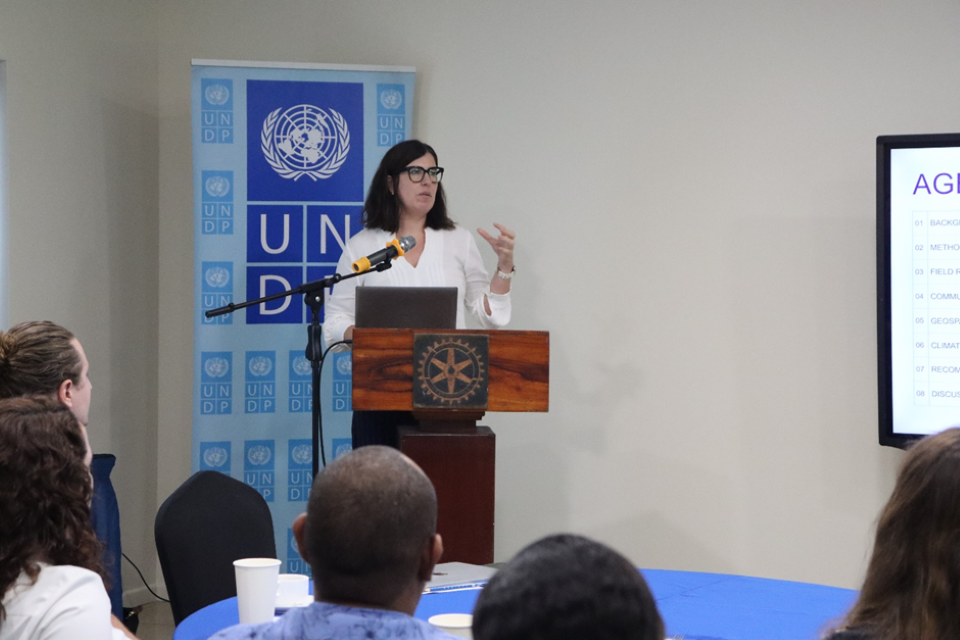
Raluca Eddon, Deputy Resident Representative of UNDP in Solomon Islands, said the findings highlight the urgent need to remove the bombs.
“Time is running out as more hazardous chemicals leak into the environment, harming reefs, sea life and coastal communities,” she said. “This research shows the urgency of clearing unexploded bombs in Solomon Islands, across the Pacific and around the world.”
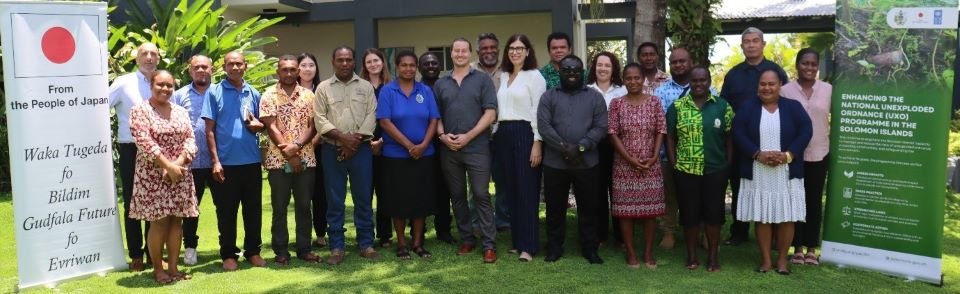
The findings were presented with Solomon Islands Ministry of Police, National Security and Correctional Services.
“This is an important resource for our country and for the wider region,” said George Bogese, Acting Permanent Secretary of the Ministry. “The Solomon Islands Government sincerely appreciates the continued support of the Japanese Government in strengthening our work on unexploded ordnance.”
For many communities in Solomon Islands, the study highlights the environmental and health consequences of a war fought more than eight decades ago are still unfolding today.