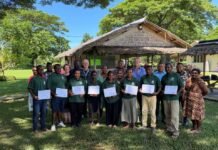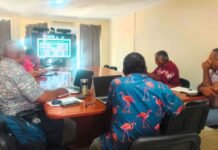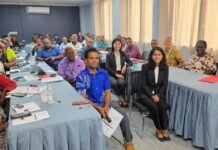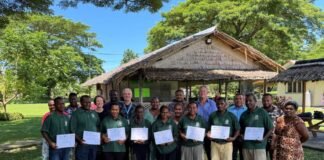
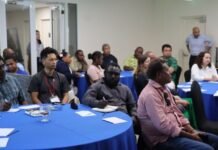
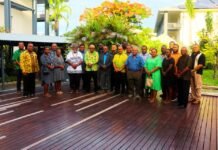

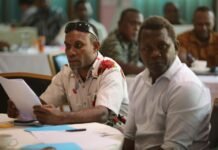
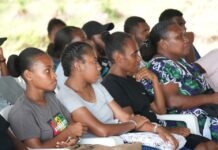
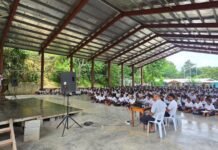
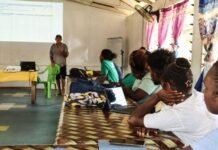
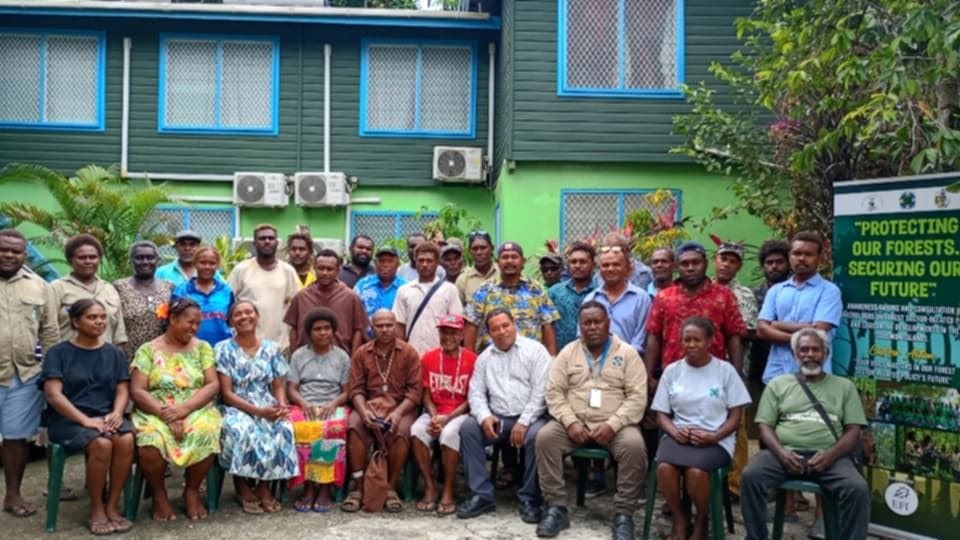
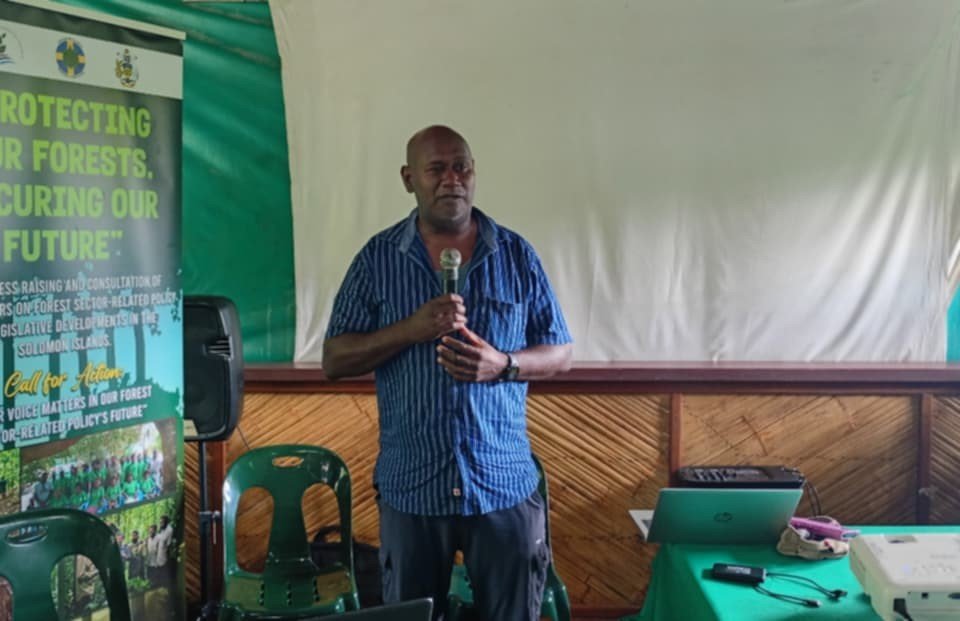
Honiara, Solomon Islands – A three-day Training of Trainers (TOT) workshop was held this week to equip key stakeholders with skills to help outreach staff raise awareness and conduct consultations on forest sector policies. The workshop, organized by the Solomon Islands Rangers Association in partnership with the Solomon Islands Environmental Laws Association (SIELA), took place from Tuesday 3rd to Thursday 5th March 2026 at the DD Holiday Inn Conference Room, Mbumburu (Lenggakiki), Honiara.
Under the theme “Equip to Engage: Strengthening Stakeholder Capacity in Outreach,” the workshop aimed to prepare trainers to share critical forest sector policy and legislative information with communities across the Solomon Islands.
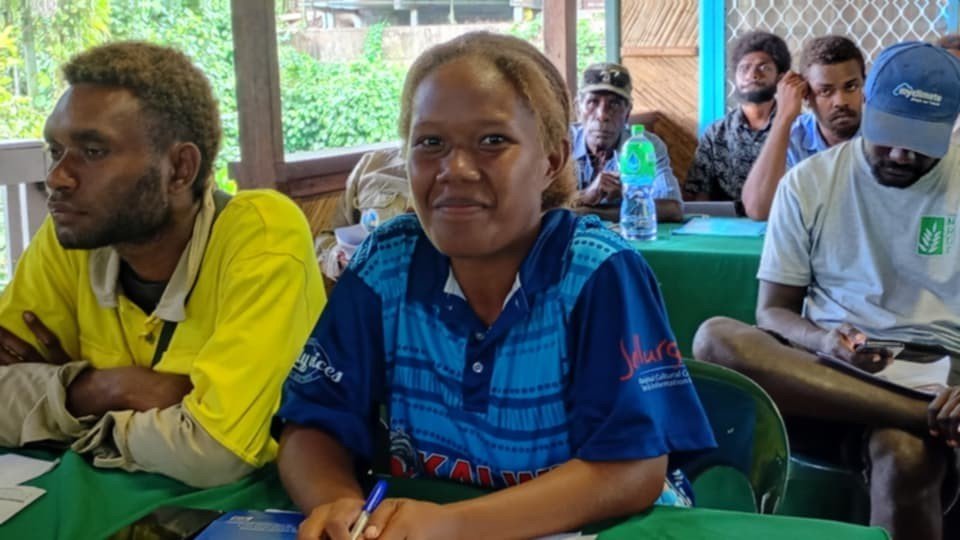
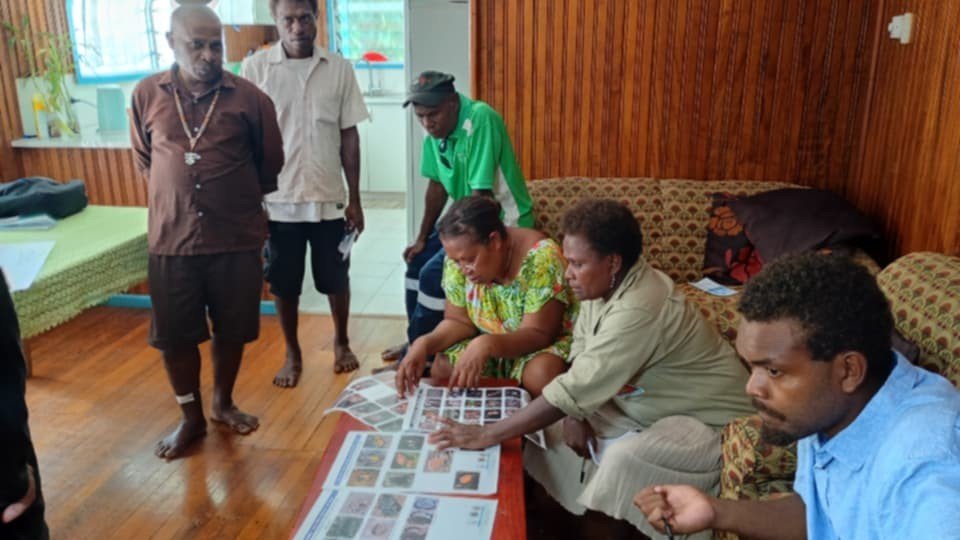
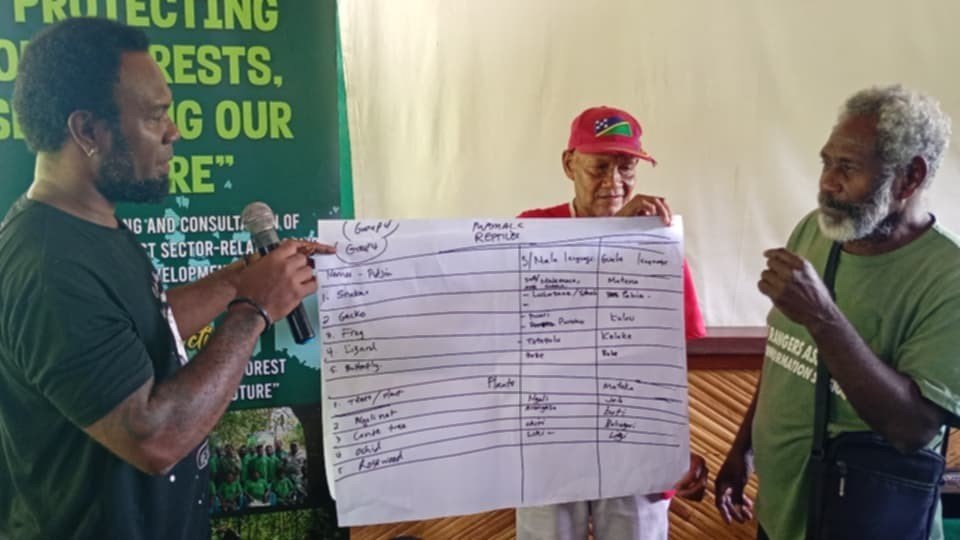
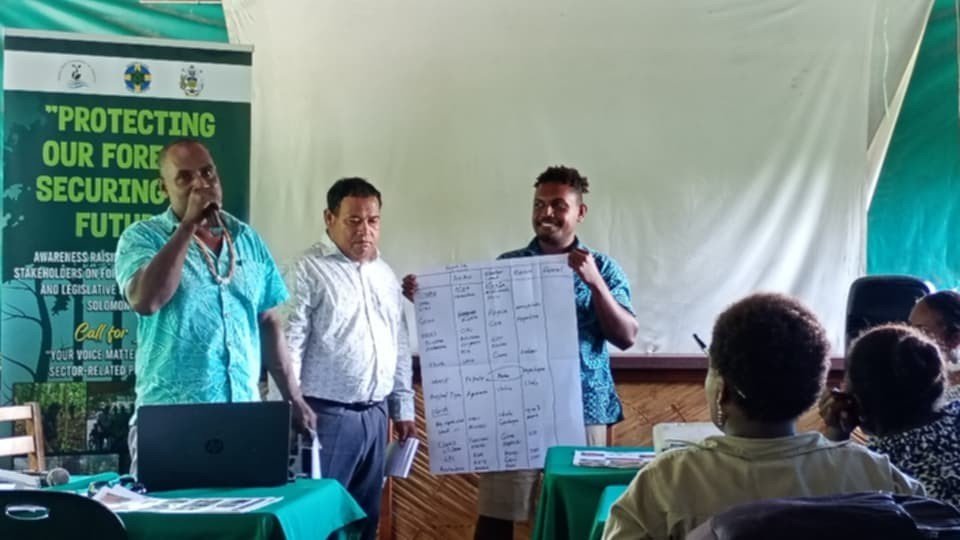
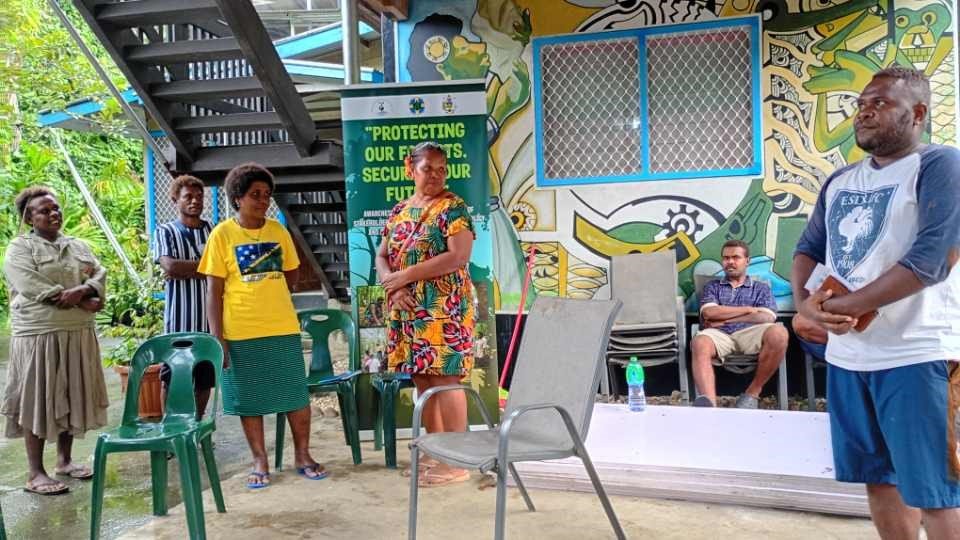
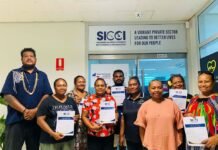
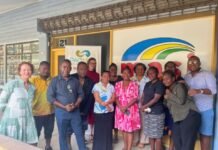
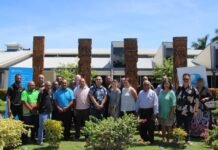
A total of 46 participants attended the workshop, including representatives from NGOs, Faith-Based Organizations (FBOs), and Community-Based Organizations (CBOs). The participants learned how to use educational materials such as posters, brochures, lesson guides, PowerPoint presentations, and Rangers toolkits to support awareness programs.
The workshop was led by Albert C Kwatelae, Edward Haikau, and Kenya Kenieroa, who facilitated sessions on forest policies and community engagement techniques. Participating NGOs included the Women’s Federation for Peace-SI (WFP-SI), the Solomon Islands Indigenous People and Human Rights Advocacy Association (SIIPHRAA), the Natural Resources Development Foundation (NRDF), and the Society of Franciscan Brothers from ACOM, who contributed to the training. On the final day, the participants attended a special presentation by Dr. Vaeno from the Solomon Islands National University (SINU) team on Forest Monitoring Assessment, supported by the European Forest Institute (EFI).
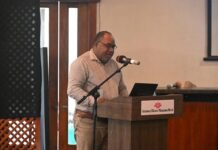
At the workshop opening, Vice Chairman of the SI Rangers Association, Mr. Felix Naitoro, highlighted the importance of the participants’ role. He said, “You are the bridge between policy, law and practice. Over the next three days, your task is to transform complex legal and policy frameworks into clear, practical information that communities can use to make informed decisions about their forests.”
Among the attendees were 37 Community-Based Conservation representatives from Choiseul, Central Islands Province, Guadalcanal, Isabel, Malaita, Makira, Rennell & Bellona, and Western Province. The training focused on raising awareness about forest sector policies and legislation, which is crucial for protecting forests, supporting landowners, sustaining livelihoods, and safeguarding the Solomon Islands’ economic sectors.
SI Rangers Program Manager, Mr. Edward Haikau Huitarau, emphasized the significance of the TOT approach. “You are not here just to learn; you are here to become catalysts for change,” he said. “The goal of this Training of Trainers is not simply to pass on information, but to empower you with the skills, confidence, and tools to train others effectively.”
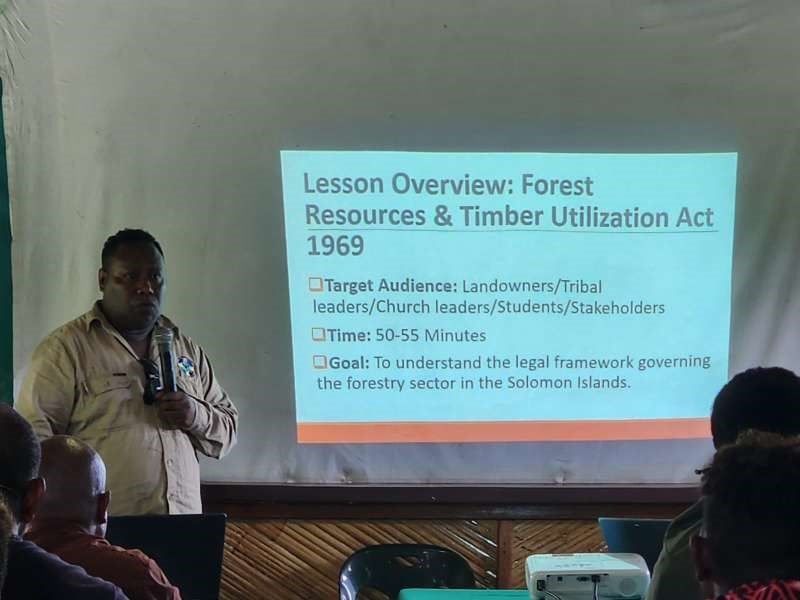
The workshop was structured over three intensive days. On Day One, participants focused on the Code of Logging Practice and the Environment Act 1998. Using PowerPoint presentations, posters, brochures, lesson plan guides, and Rangers toolkits, participants worked in groups to validate, redesign, and improve the materials to ensure they were clear, user-friendly, and culturally appropriate for communities.
Day Two covered the Forest Resources & Timber Utilisation Act, 1969 and the Protected Areas Act, 2010. Participants were divided into four groups to identify priority activities, develop an implementation roadmap, and create teaching methods to support future awareness and consultation initiatives.
On Day Three, the focus shifted to the Wildlife Protection & Management Act 1980 and themes on International Human Rights and Gender Equality in the Solomon Islands. Participants received PowerPoint presentations, posters, brochures, and lesson plan guides for each topic.
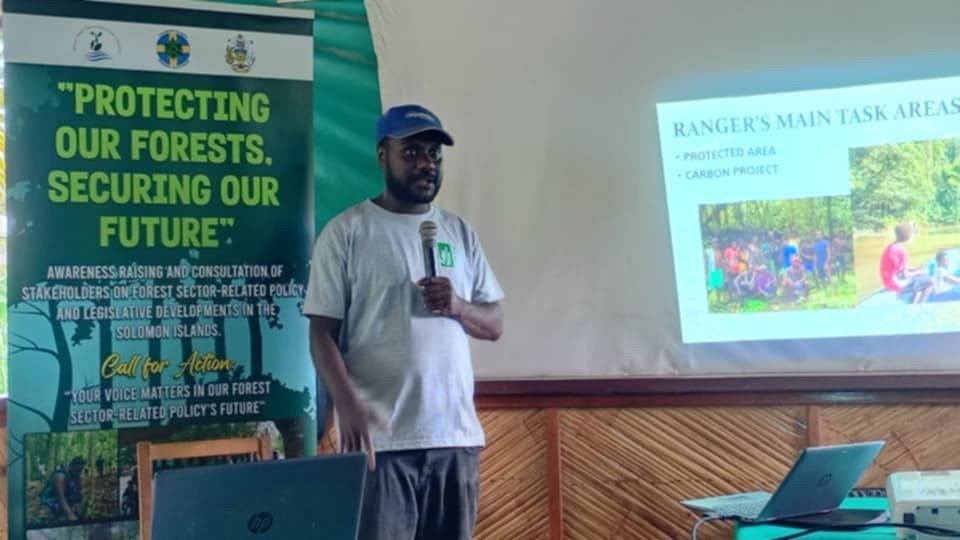
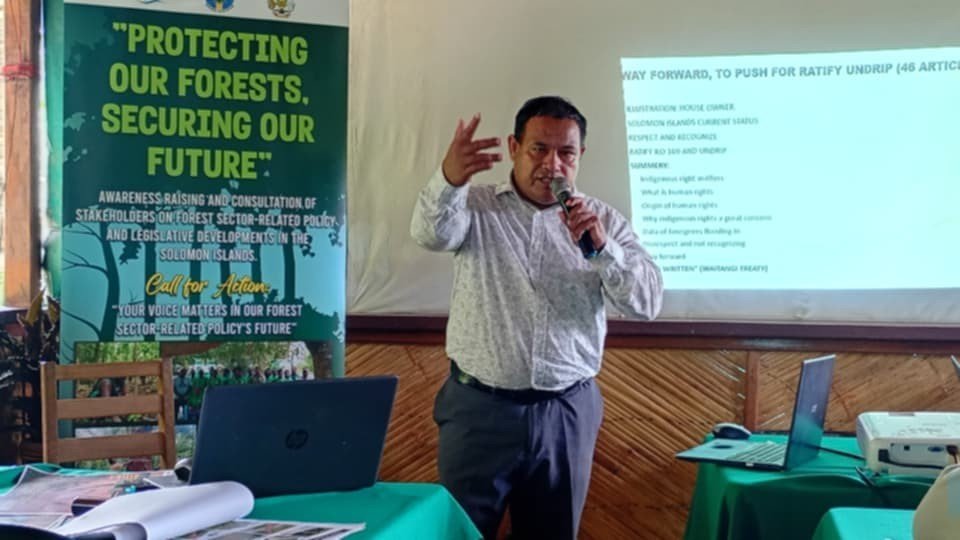
Among the NGO partners, the Natural Resources Development Foundation (NRDF) and the SI Indigenous People and Human Rights Advocacy Association (SIIPHRAA) presented their initiatives. Mr. Cornelius Qaqara, NRDF Project Coordinator, explained the importance of protected areas and carbon projects, including carbon trading, while Mr. Buddy W No’amasahu, CEO of SIIPHRAA, gave a session titled “Indigenous Peoples Rights Matter”.
The workshop achieved several key outputs:
- Developed a training methodology, approach, and timeline.
- Created a user-friendly training package in English and Solomon Islands Pidgin.
- Conducted workshops for 40 CBO and NGO staff.
- Strengthened facilitation techniques for community consultations, including Free, Prior, and Informed Consent (FPIC) processes.
- Completed post-training evaluations with lessons learned and recommendations for future sessions.
Mrs. Alice Hou, President of the Women’s Federation for Peace-SI, spoke about the value of strong partnerships. “Our goal is to ensure that forest-related policies and information reach communities in a clear and helpful way,” she said. “This workshop strengthens our collaboration with the SI Rangers Association and SIELA to improve how we share knowledge about the Code of Logging Practices and the Forest Resources and Timber Utilization Act.”
The TOT workshop emphasized the importance of working together to support sustainable forest management, protect livelihoods, and ensure proper environmental governance. By equipping stakeholders with the right knowledge and tools, the Solomon Islands Rangers Association and SIELA aim to provide communities with timely and reliable information to make better decisions about their forests.
For many participants, the workshop was an eye-opening experience. Ms. Lillian Tare, a community representative from Malaita Province, said, “I now understand how to explain complex laws in ways that everyone in my community can understand. This training will help me engage people better and protect our forests.”
The event also highlighted the need for continued collaboration between government agencies, NGOs, FBOs, and CBOs. By improving educational materials and facilitation techniques, the trainers can now reach more communities, ensuring that forest management policies and legislation are implemented effectively and fairly.
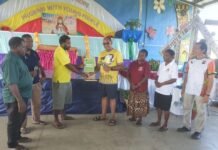
At the closing ceremony, participants expressed their appreciation for the opportunity. Mr. David Rarua, from Choiseul Province, remarked, “This workshop gave me the tools to train others. I feel confident to go back to my community and start discussions that will benefit both our people and our forests.”
The Solomon Islands Rangers Association and SIELA view the TOT workshop as a significant step forward in promoting forest policy awareness and community participation. By equipping stakeholders to become trainers, they are building a network of knowledgeable individuals who can help communities across the islands understand and implement forest sector policies.
As the Solomon Islands continues to balance economic growth with environmental protection, initiatives like this TOT workshop are vital. They ensure that communities are informed, engaged, and empowered to participate in decisions that affect their lands, forests, and livelihoods.
The success of this workshop demonstrates the power of collaboration, capacity building, and practical training. Through continued efforts, stakeholders hope to see stronger community engagement and improved forest management outcomes across the country.