



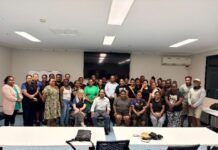









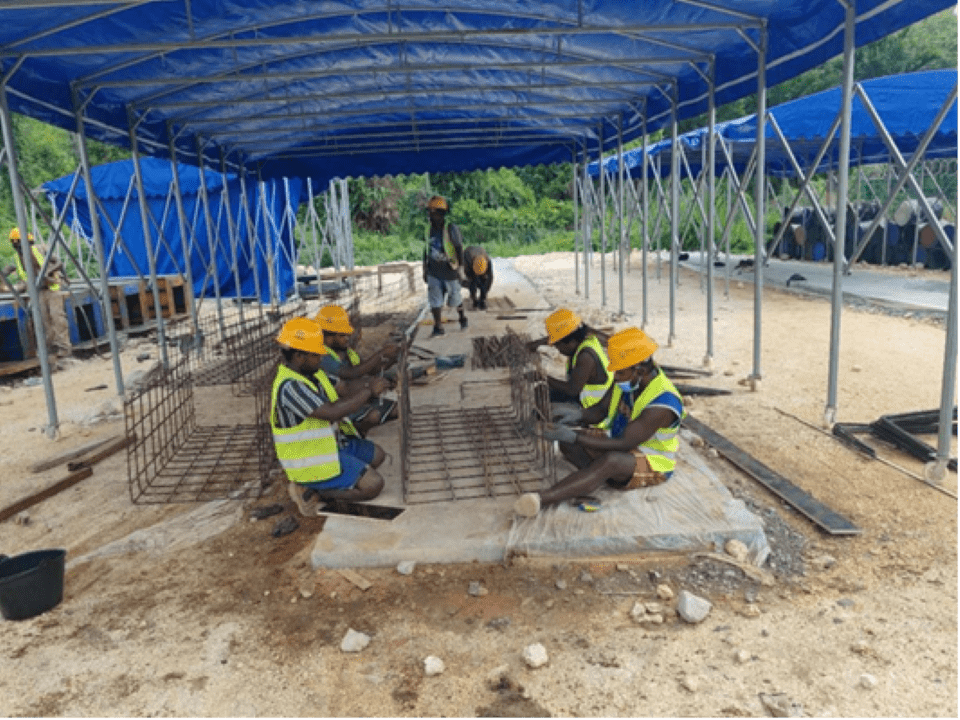
A total of 200 local employees are currently engaged in the ongoing China-Aid Auki Road Rehabilitation Project. This marks an increase from the initial stages early last year, when the contractor employed only 50 locals. The growing number of employees demonstrates the company’s strong commitment to engaging with local communities and transferring valuable skills.
This employment includes local female staff assigned to various departments within the contractor China Civil Engineering Construction Corporation (CCECC) operations.
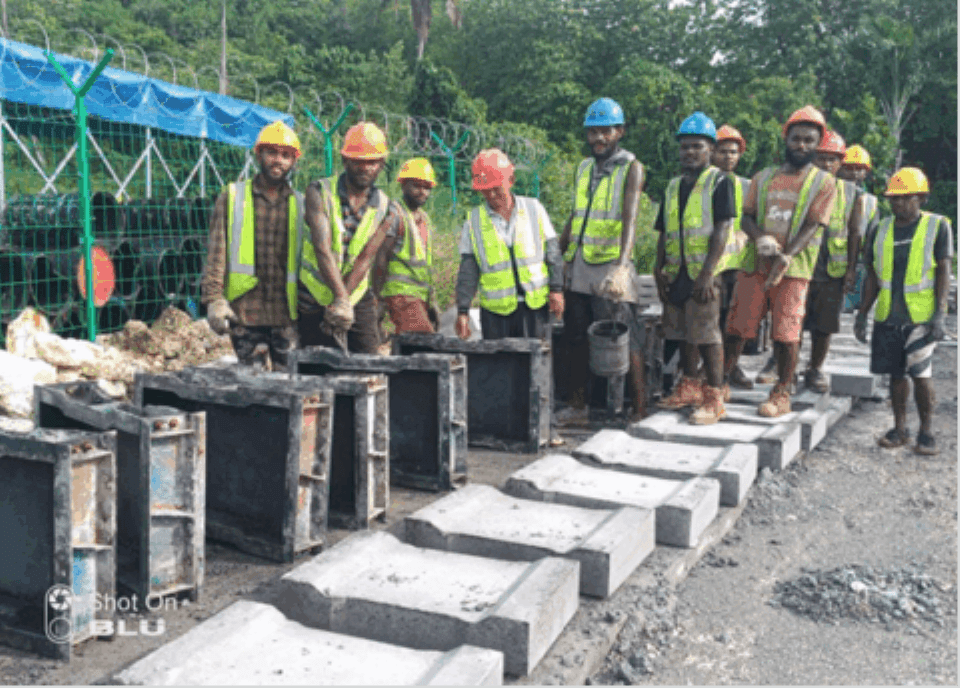
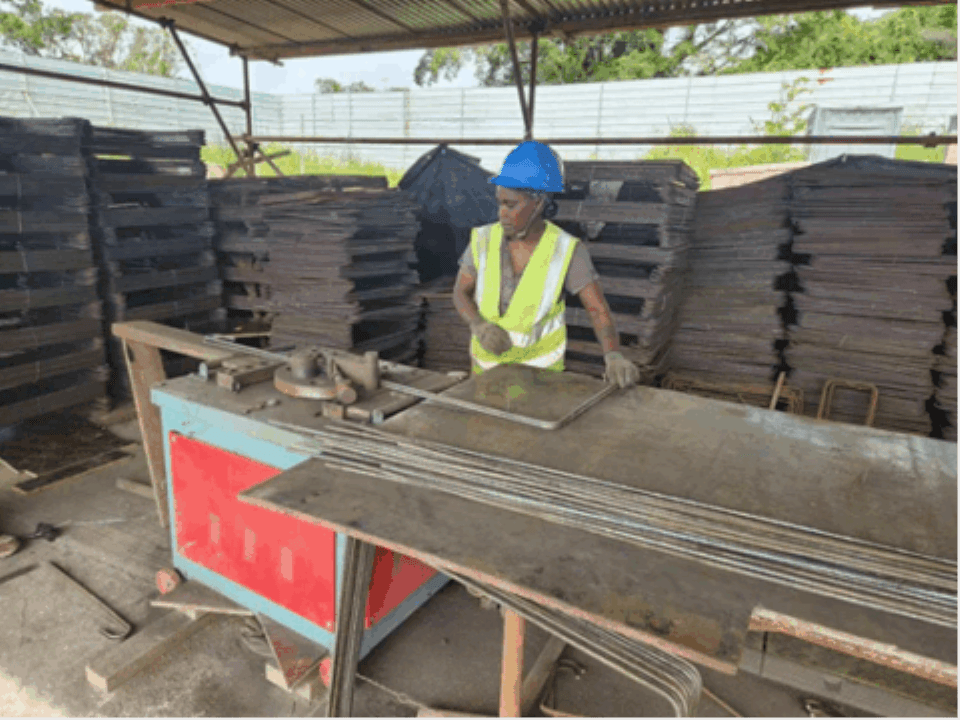
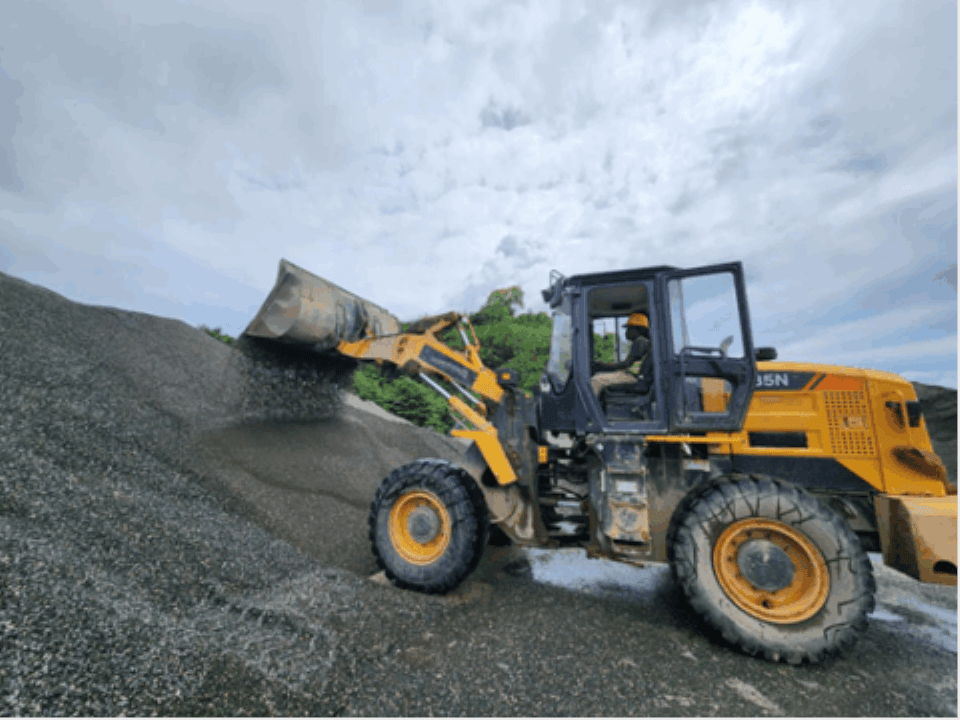
It highlights the project’s strong contribution to local employment, upskilling, and inclusive development in Malaita province.
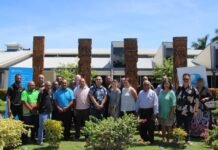
Teamwork between local workers and Chinese technical experts on site has enabled smooth progress in construction activities while fostering mutual understanding, knowledge sharing, and professional working relationships.
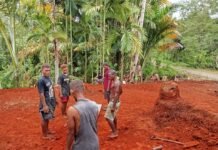
Local employees are recruited from surrounding communities, and their daily roles vary: earthworks, drainage construction, steel works, concrete, traffic control, and general site operations through daily collaboration with Chinese engineers and workers.
A local worker, Billy Idu, exclusively highlighted the working environment created through mutual respect, cooperation, and understanding cultures between local employees and Chinese technical staff.
“A work ethic I’ve learned is being punctual and management. Chinese workers are early to work and committed to their roles, whether big or small.
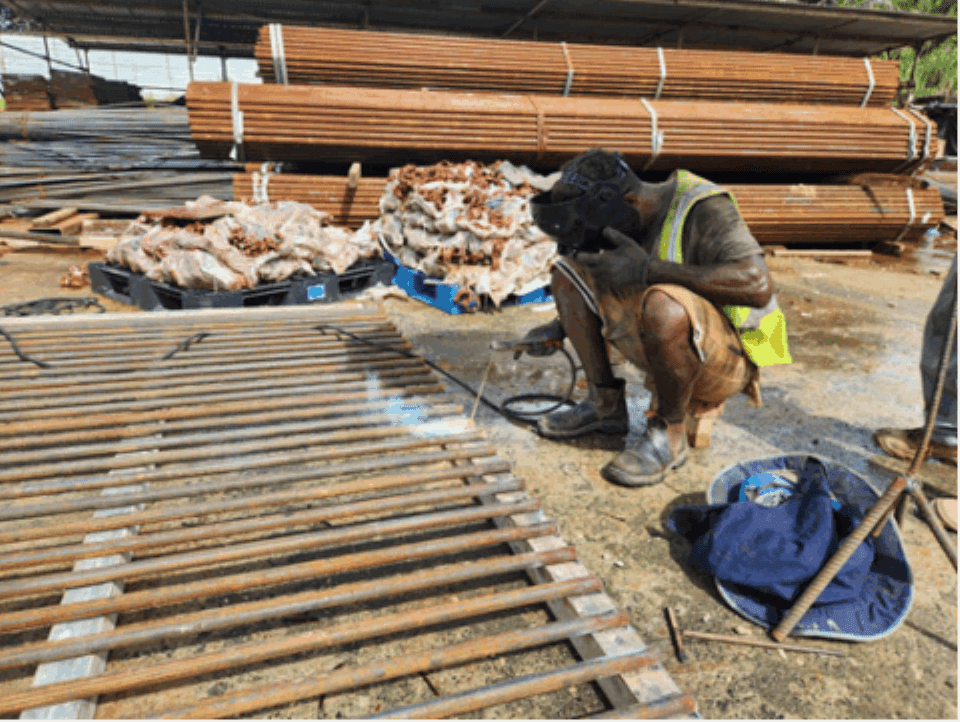
“I am a non-morning type of person, but since engaging in this project, I developed a habit of being early, getting the job done each day, and learning new skills, especially in concrete works.
Mr. Idu also said income earned from the project has helped local workers like him meet their basic family needs, including school fees.
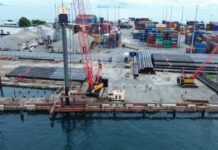
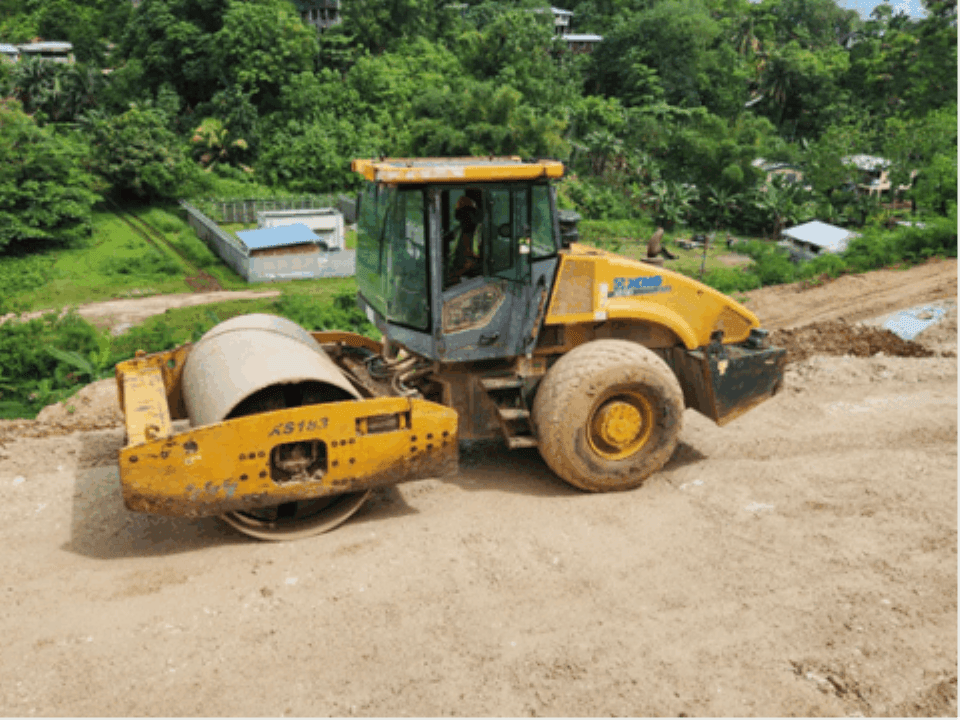
Since late last year, CCECC has focused on river channel improvements, construction of retaining walls, slope protection, shoulder barriers, and ditching. Most of these components are already complete that will improve drainage, preventing erosion, and reducing flood risks throughout the growing town of Auki.
The next phase is sealing using top-quality materials, as each road will be covered with a 50-millimeter-thick asphalt concrete pavement, ensuring durability and longevity.
This project encompasses the extensive rehabilitation of the 3.796-kilometer main road from Kilu’ufi Hospital to Kwaibala Bridge, as well as the upgrade of 16 feeder roads reflecting the government’s National Transport Plan 2017-2035.
The Ministry of Infrastructure Development’s (MID) Transport Infrastructure Management Services Division (TIMSD), the Malaita Provincial Government, and other stakeholders continue to work closely with CCECC management overseeing the project phase and deliverables.