





















HONIARA, Solomon Islands — The Ministry of Environment, Climate Change, Disaster Management and Meteorology (MECDM) has officially launched a stakeholder inception workshop for a transformative national project: “Transformation to Low/Zero Emissions Transport Sector – Enabling Uptake of Electric Mobility in Solomon Islands.”
This initiative marks a decisive step in the nation’s journey toward a sustainable, climate-resilient future by addressing the rapidly growing emissions from the land transport sector.
Currently, the transport sector is the largest and fastest-growing source of greenhouse gas emissions in the Solomon Islands, accounting for approximately 61% of total national emissions. Driven by rapid motorization, vehicle numbers in Honiara tripled between 2014 and 2020, significantly outpacing population growth. Without intervention, total emissions are projected to increase by 1.5 times by 2030, and registered vehicles could nearly double again by 2050.
Addressing Economic and Environmental Vulnerabilities The rapid growth of the vehicle fleet has occurred without established emission standards, fuel efficiency regulations, or coordinated urban transport planning. This has led to rising fuel imports, economic vulnerability, worsening air pollution, and significant road safety risks, with pedestrians making up at least 40% of road fatalities.
“This project is not the final destination but rather the first decisive step in our journey of transformation,” stated David Hiriasia, Permanent Secretary of MECDM.
“By acting now, we ensure that our nation does not merely adapt to change, but leads it.”
A Holistic Approach to System Change Supported by the Global Environment Facility (GEF), implemented by the United Nations Environment Programme (UNEP), and executed by MECDM with technical support from the Global Green Growth Institute (GGGI), the project aims to accelerate the shift toward zero-emission land transport. Key objectives of the initiative include:
Strengthening Governance: Enhancing coordination and establishing clear regulatory frameworks to ensure electric vehicles (EVs) and charging infrastructure are safe and fit for purpose.
Infrastructure & Planning: Shifting from reactive expansion to integrated, climate-resilient urban mobility planning.
Pilot Implementation: Demonstrating the feasibility of EVs through pilot projects to generate technical and financial evidence for future scale-up.
Environmental Safeguards: Proactively addressing the management of end-of-life vehicles and batteries.
Social Inclusion: Mainstreaming Gender Equality and Social Inclusion (GESI) to ensure that electric mobility enhances safety and economic opportunities for women, youth, and persons with disabilities.
The Solomon Islands contributes less than 0.0015% to global emissions, yet remains committed to ambitious climate goals under its Nationally Determined Contribution (NDC) 3.0.
This project serves as a cornerstone for meeting those commitments while building the foundation for a cleaner, safer, and more resilient nation for future generations.
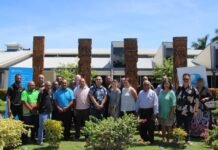
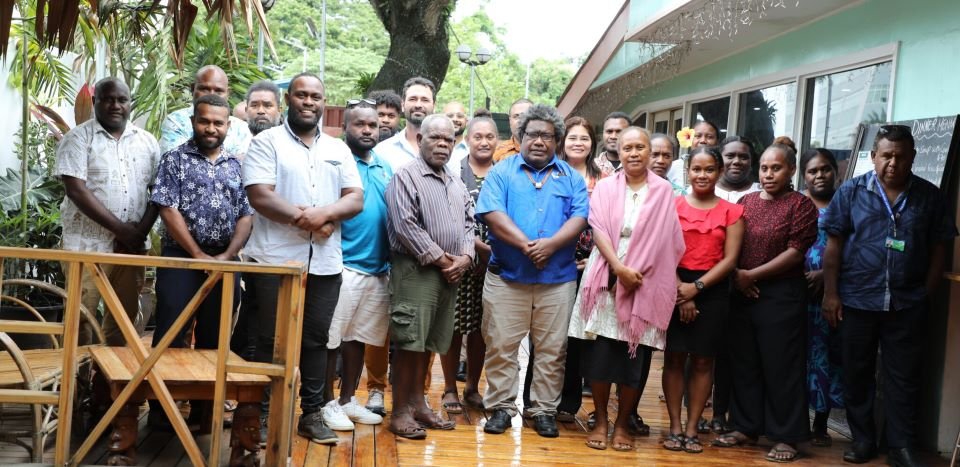
The inception workshop was attended by stakeholders from Office of the Prime Minister and Cabinet, Ministry Mines and Energy, Ministry of Infrastructure Development, Central Bank of Solomon Islands, Solomon Ports and Civil Society Organisations.