


















The Solomon Islands Chamber of Commerce and Industry (SICCI) notes with growing concern the sustained pattern of political instability that has characterised the national landscape over the course of 2026, and the disruptive effect this continues to have on private sector confidence and operations.
This year alone has seen a change in national leadership following a successful motion of no confidence, an extended period of parliamentary uncertainty, and further recent instability arising from ministerial resignations and realignments within the governing coalition. For the business community, each of these episodes brings with it a familiar set of costs: delayed decision-making within government, uncertainty around the continuity of policy and reform commitments, hesitancy among investors, and an erosion of the predictability that businesses of all sizes rely on to plan, invest, and employ.
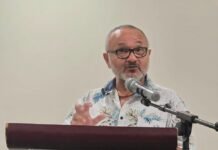
SICCI Chairlady, Namoi Kaluae, said the private sector has borne the practical weight of this instability throughout the year.
“Our members, from small and medium enterprises to larger investors, have consistently told us the same thing this year: it is not any single event that hurts them the most, it is the uncertainty. Every change in leadership or Cabinet brings a pause in decision-making, a review of pending approvals, and a wait-and-see approach from investors and financiers. That pause has a real cost, in stalled projects, delayed financing decisions, and jobs that are not created,” said Ms Kaluae.
The Chamber emphasises that political competition and democratic accountability are legitimate and necessary features of our system of government. SICCI’s concern is not with the exercise of these processes, but with the frequency and manner in which they have recurred this year, and the cumulative toll this takes on business confidence, cost of doing business, and the country’s attractiveness to both domestic and foreign investment.
“We recognise that our political leaders operate within a complex environment, and we do not underestimate the genuine challenges of governing in this term of Parliament. What we are asking for, on behalf of the private sector, is greater consistency and continuity, particularly around economic and reform-related decisions that businesses have already committed resources toward,” Ms Kaluae added.
SICCI as the voice for business in the Solomon Islands, calls on all sides of the political divide to prioritise national economic stability and to ensure that whatever the outcome of internal political processes, key reform commitments to the private sector, including those relating to economic policy, financing, and regulatory reform, are honoured and carried forward without unnecessary delay. The Chamber further encourages open channels of dialogue between government and the private sector during periods of political transition, so that business continuity is protected regardless of changes at the political level.
SICCI remains committed to constructive engagement with the Government of Solomon Islands, whatever its composition, and stands ready to work in partnership with national leaders to safeguard investor confidence, protect jobs, and support the resilience of the private sector during this period.