





















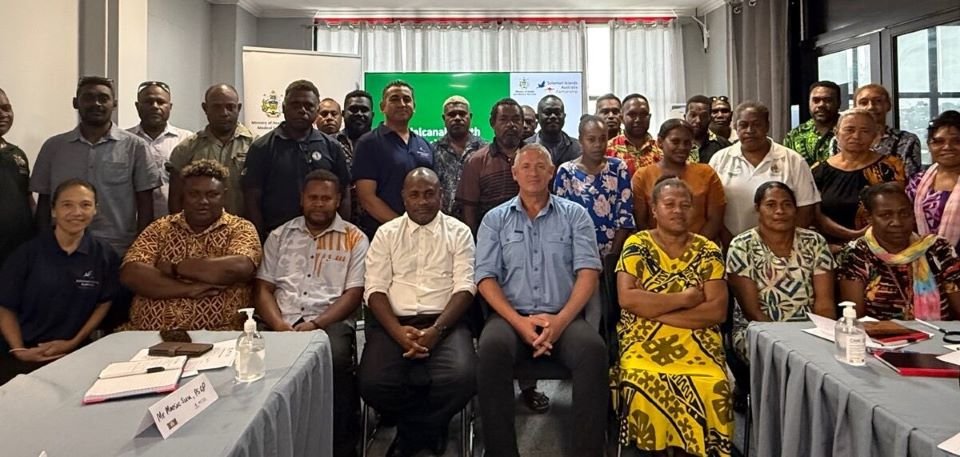
Guadalcanal Province convened its first Provincial Health Summit in Honiara from 29 June to 3 July 2026, bringing together government leaders, health workers, community representatives, churches, and development partners to accelerate practical improvements in primary health care. The summit forms part of the Ministry of Health and Medical Services’ (MHMS) national rollout of the Primary Health Care Performance Initiative (PHCPI), supported by Australia.
Opening the summit, Provincial Secretary Mr. Maesac Suia affirmed the provincial government’s commitment to investing in health as the foundation of Guadalcanal’s future. “The success will not be measured by discussions alone, but by the actions we take when we return to our institutions and communities,” he said.
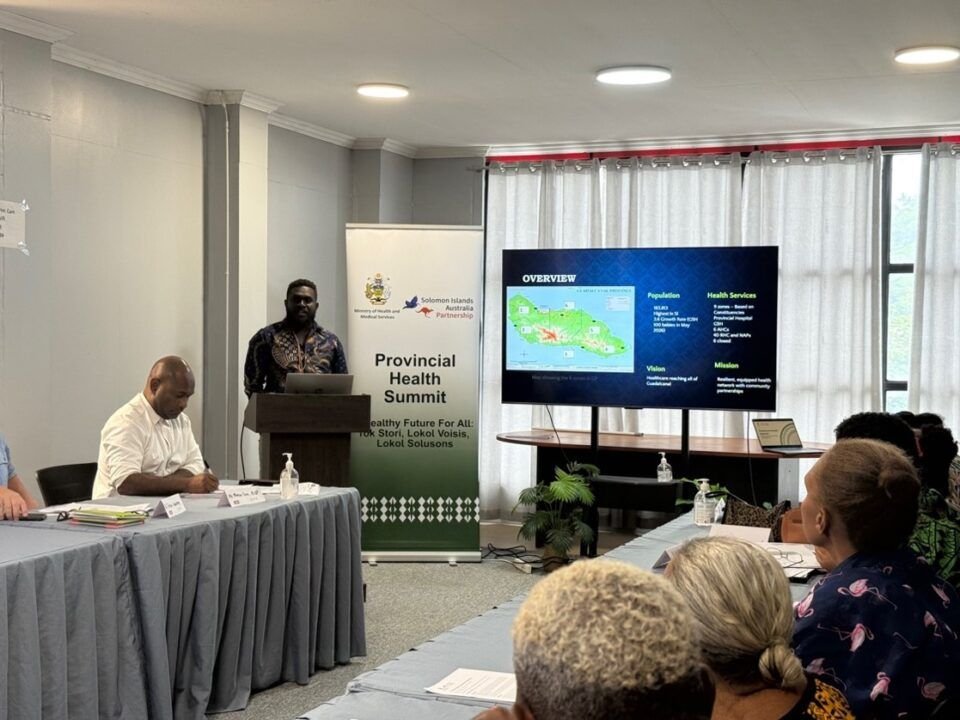
Guadalcanal, the most populous province with over 183,000 people, faces persistent challenges including run-down clinics, medicine shortages, limited water and sanitation, referral and emergency transport gaps, and severe workforce shortages. Provincial Health Director Dr Rayboy Seleso also highlighted successes such as the Numbu Healthy Settings Programme, which reduced malaria cases by 80% over five years.
Community voices were central to the discussions. Alberta, a frontline health worker reflected, “We see mothers walking long distances for care, and sometimes medicines are not available. This summit gives us hope that our voices will lead to real change”.

Acting Australian High Commissioner, Andrew Schloeffel, said local communities should be at the centre of health service decision making.
“The people who know best how to improve health services in Guadalcanal are the people who rely on them every day,” the High Commissioner said.
“This summit brings local voices to the table and helps make sure decisions are shaped by the communities they affect. That’s how we build stronger health services that meet the needs of local families”.
Over five days, participants mapped the state of primary health care using the PHCPI framework, developed a Provincial Health Scorecard, and practised problem-solving tools such as Root Cause Analysis and Plan–Do–Study–Act cycles. Priorities identified included staff performance management, drug supply and equipment shortages, clinic closures, and unreliable telecommunications. Community representatives — including youth, women, and churches — affirmed their commitment to health promotion and stronger communication with services.
The summit concluded with agreement to develop a three-year corporate plan, strengthen accountability, and deliver health care with an equity focus.